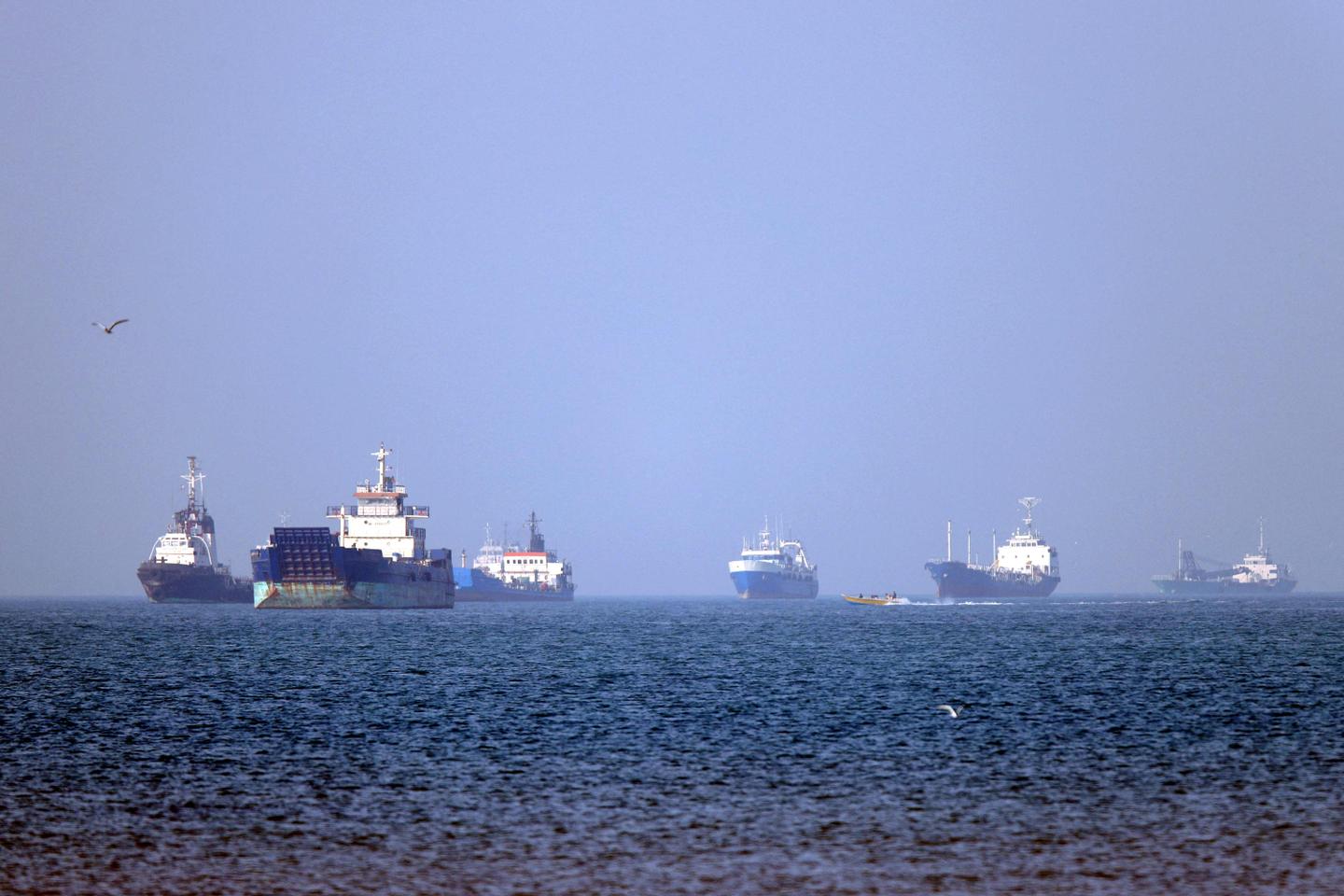
The US said it destroyed several Iranian boats and the UAE reported new strikes on Fujairah, marking a sharp escalation in Middle East hostilities after the fragile ceasefire. The confrontation threatens Strait of Hormuz traffic, with more than 900 commercial vessels reportedly in the Gulf and oil prices jumping on the renewed attacks. The disruption risks flows of oil, gas, and fertilizer globally and raises the chance of broader market volatility.
The market is now pricing a shift from a contained geopolitical premium to a true shipping-risk regime. The key second-order effect is not just higher oil, but higher delivered-cost inflation across Asia/Europe via insurance, tanker scarcity, and inventory hoarding; that can tighten prompt physical markets even if headline production is unchanged. The more important setup is that even small interruptions in the strait create outsized bottlenecks because capacity utilization in global shipping is already high, so marginal delays can force spot freight and war-risk premia sharply higher over days, not weeks. The biggest beneficiaries are not the obvious upstream producers, but the infrastructure around constrained transport: tanker owners, marine insurers, select defense contractors, and LNG-linked exporters outside the Gulf. Conversely, Gulf-region airlines, petrochemical margin-sensitive users, and Asian import-dependent refiners face a double hit from feedstock cost and logistics uncertainty. If the situation persists for more than 1-2 weeks, the equity market should begin to discount not just energy inflation, but a broader earnings reset for transportation, chemicals, and consumer discretionary through higher working capital and weaker demand. The contrarian read is that the initial oil move may overstate medium-term scarcity because strategic responses can arrive faster than consensus expects: coordinated naval escort, rerouting, and eventual diplomatic backchannels can reduce the actual physical disruption while leaving headline risk elevated. That creates a good window for convex positioning rather than outright directional beta. The best asymmetric setup is to own volatility where the market underprices a tail event, while fading crowded long-energy expressions if crude spikes on fear without sustained physical drawdown. Catalyst risk is front-loaded over the next 48-72 hours: any confirmed passage failure, tanker hit, or broader regional retaliation would likely reprice freight, defense, and oil futures simultaneously. If no material interruption emerges and the naval corridor remains partially functional, the geopolitical premium could mean-revert within 1-2 weeks even if headlines stay severe. The trade is therefore less about predicting peace and more about distinguishing headline escalation from actual throughput damage.
AI-powered research, real-time alerts, and portfolio analytics for institutional investors.
Request DemoOverall Sentiment
strongly negative
Sentiment Score
-0.78
