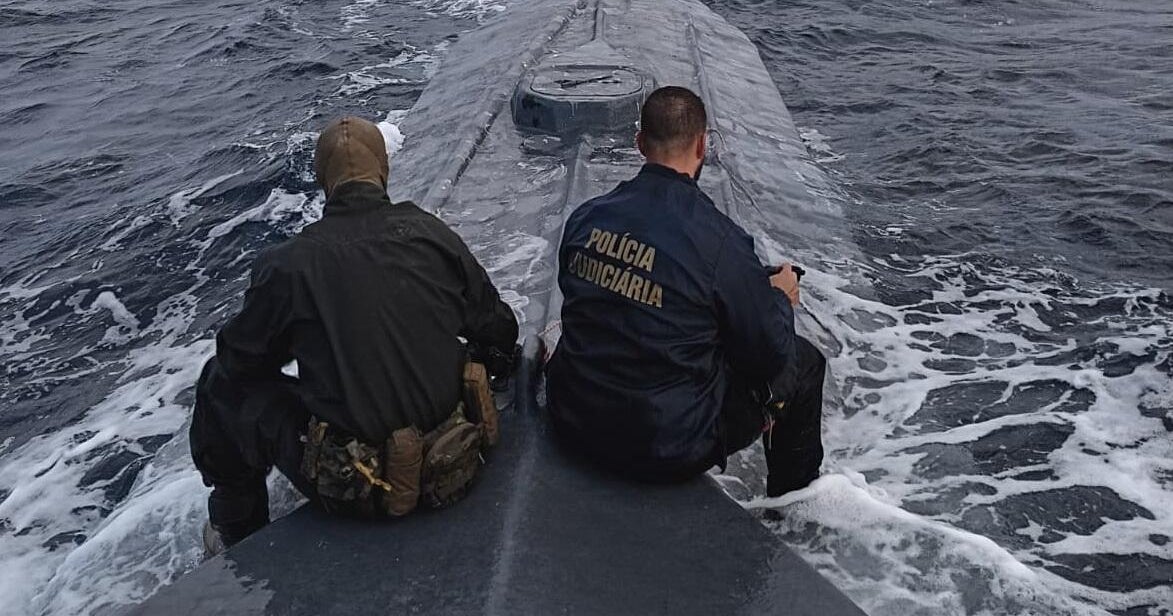
Portuguese authorities, assisted by the navy, air force and UK and U.S. agencies, intercepted a semi-submersible 'narco sub' about 230 nautical miles off the Azores and seized nearly 9 tonnes of cocaine—the largest cocaine seizure on record in Portugal; the vessel sank in rough weather, losing 35 of roughly 300 packages. The craft originated in Latin America and carried three Colombians and a Venezuelan; the operation underscores the transatlantic reach of smuggling networks and the intensifying multinational law enforcement response, but has minimal direct financial-market implications.
Market structure: The 9‑ton seizure (largest in Portugal) creates a near‑term win for maritime defense contractors, ISR/satellite imagery vendors and specialist marine insurers as demand for detection, aerial patrols and underwriting capacity rises. Container shippers and port operators are potential losers if heightened inspections increase dwell times; expect regional risk premia on Atlantic routes to move mid‑single digits within 3–6 months. The drug supply shock is tactically large for traffickers but unlikely to materially reduce global cocaine volume long‑term — instead it raises enforcement intensity and technology procurement spend.
Risk assessment: Tail risks include a sharp ramp in naval interdiction budgets (triggering supplier re‑rating), major violent confrontations at sea, or insurers repricing marine risk 20–50% if seizures cluster; low probability but high impact over 6–36 months. Immediate (days) effects are limited to headlines and prosecutions; short term (weeks–months) could see tendering for ISR contracts and higher brokered marine rates; long term (>12 months) could shift procurement cycles and recurring revenue for ISR/data firms. Hidden dependencies: smugglers shifting to containerized or air routes will transfer costs to commercial logistics and insurance.
Trade implications: Tactical buys: defense primes and ISR imagery vendors; tactical shorts: selected container/shipping equities if port metrics show >10% dwell increase. Use options to cap downside and express timing: 6–12 month call spreads on defense/ISR names ahead of FY budget cycles. Rotate away from pure-play short‑sea logistics into security software, satellite imagery and select insurers on a 3–12 month horizon.
Contrarian angles: Markets may underweight that a single seizure accelerates procurement cycles — procurement decisions and multi‑year contracts can re‑rate companies by 10–30% over 12–24 months. Conversely, the reaction could be overdone if enforcement is one‑off; historically (2010s) seizures raised short‑term headlines but only incremental long‑term price impact on illicit markets. Unintended consequence: heavier maritime policing can push smuggling into global container networks, creating systemic insurance volatility and sleeper opportunities in screening tech providers.
AI-powered research, real-time alerts, and portfolio analytics for institutional investors.
Request DemoOverall Sentiment
neutral
Sentiment Score
0.00
