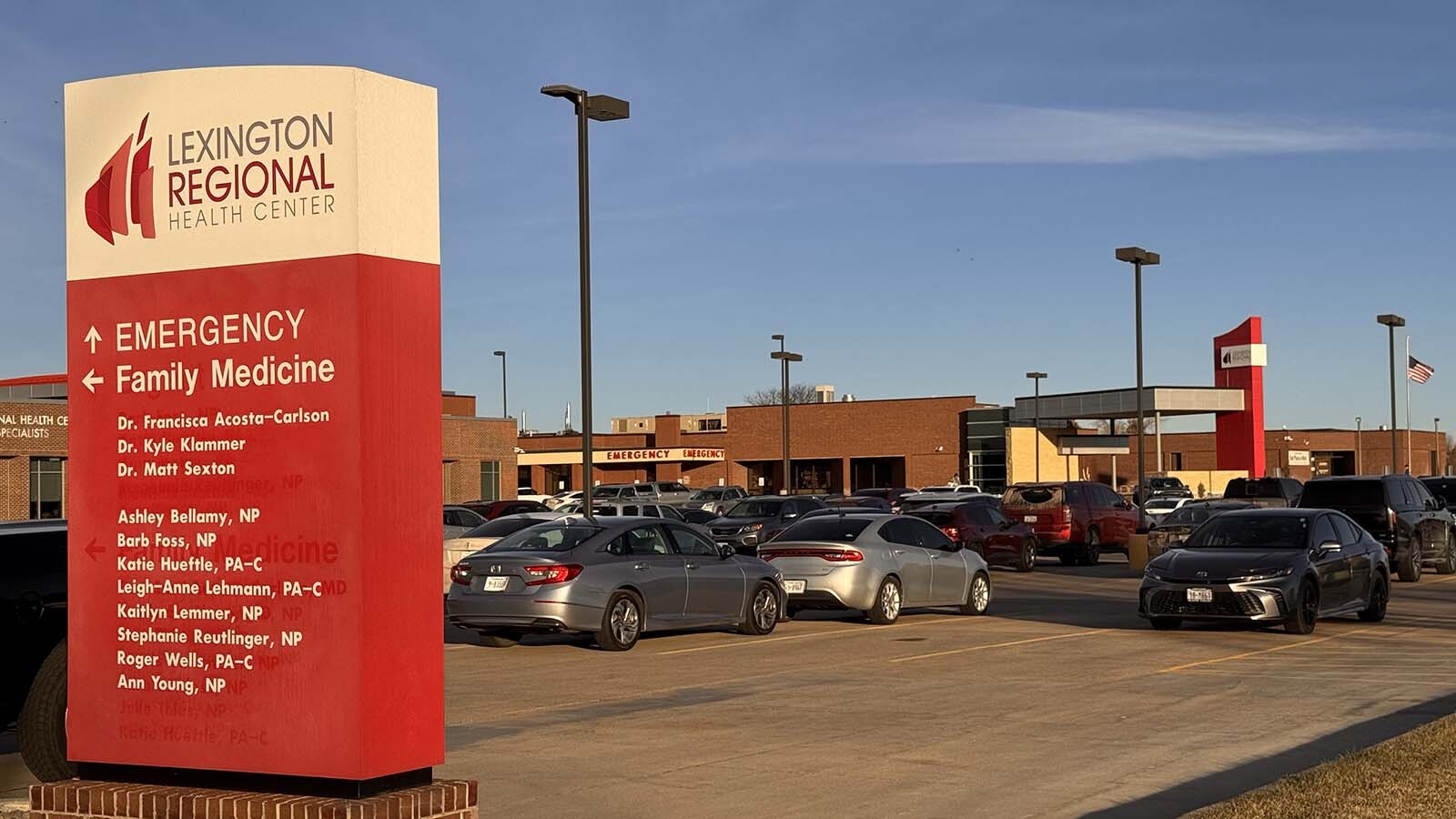
Tyson Foods abruptly announced the Jan. 20 closure of its Lexington, Nebraska beef processing plant, which employs about 3,200 workers and can process up to 5,000 head of cattle per day (roughly 5% of U.S. production). The shutdown, attributed by the company to tight beef margins and changing tax dynamics, threatens significant local economic fallout — potentially displacing roughly one-third of the town’s ~11,000 residents and creating ripple effects through the hospital, schools (500 staff; ~3,200 students), and suppliers (one contractor already cutting 140 jobs). The episode has sparked reputational and governance scrutiny — citing CEO Donnie King's $22.8m and Chairman John Tyson's $18.4m compensation and a reported 525:1 pay ratio — but is unlikely to be broadly market-moving beyond regional supply and ESG/reputation considerations.
Market structure: Tyson’s Lexington exit removes ~5% of U.S. fed-beef daily capacity (5,000 head/day) and directly hurts local suppliers, labor, regional hospitals and schools. Near-term retail/wholesale beef availability tightens, supporting live-cattle and boxed-beef prices for 1–6 months while processors with spare capacity (public peers) can incrementally gain market share. Equity impact will be concentrated in TSN (reputational/ESG hit) but commodity-linkage means higher beef prices could mechanically lift processor revenue/margins over 2–4 quarters if capacity remains constrained.
Risk assessment: Immediate (days) risk is an earnings/PR shock to TSN and higher equity volatility; short-term (weeks/months) risks include litigation, state political backlash, and union/regulatory scrutiny; long-term (quarters/years) tail risks include sustained capacity decline driving input-price pass-through and persistent brand/contract loss. Hidden dependencies: cattle producers facing backlog could force liquidation or feed costs spike, feeding back into futures; municipal fiscal stress in Lexington could create local credit events. Key catalysts: cattle futures moves, TSN guidance/CapEx updates (next 30–90 days), and any announced asset sales or plant re-openings.
Trade implications: Tactical short-TSN exposure is justified near-term via equity or options while simultaneously going long live cattle (CME LC) to play supply shock — this captures margin downside at Tyson while owning commodity upside. Prefer 3–6 month option structures: buy TSN 3-month 25-delta puts or a 3x10 put spread sized 1–2% portfolio risk and buy equivalent notional of 3-month live-cattle futures; consider owning HRL (Hormel, HRL) or JBS ADR (JBSAY) 2–3% overweight as share-gain plays. Monitor implied volatility spikes; use calendar spreads if earnings/date risk is uncertain.
Contrarian angles: Consensus frames this as pure governance/ESG failure; market may over-penalize TSN if closure leads to industry-wide price support that restores margins in 2–4 quarters. If TSN deploys buybacks, accelerates plant rationalization, or shifts to higher-margin branded beef, downside could be limited — consider buying a recovery call spread if TSN drops >15% from pre-event levels with 6–9 month tenor. Historical parallel: past 3–6 month capacity shocks in protein (e.g., 2015–2016 packer hiccups) produced temporary outsized volatility followed by margin recovery as supply rebalanced.
AI-powered research, real-time alerts, and portfolio analytics for institutional investors.
Request DemoOverall Sentiment
strongly negative
Sentiment Score
-0.70
Ticker Sentiment
