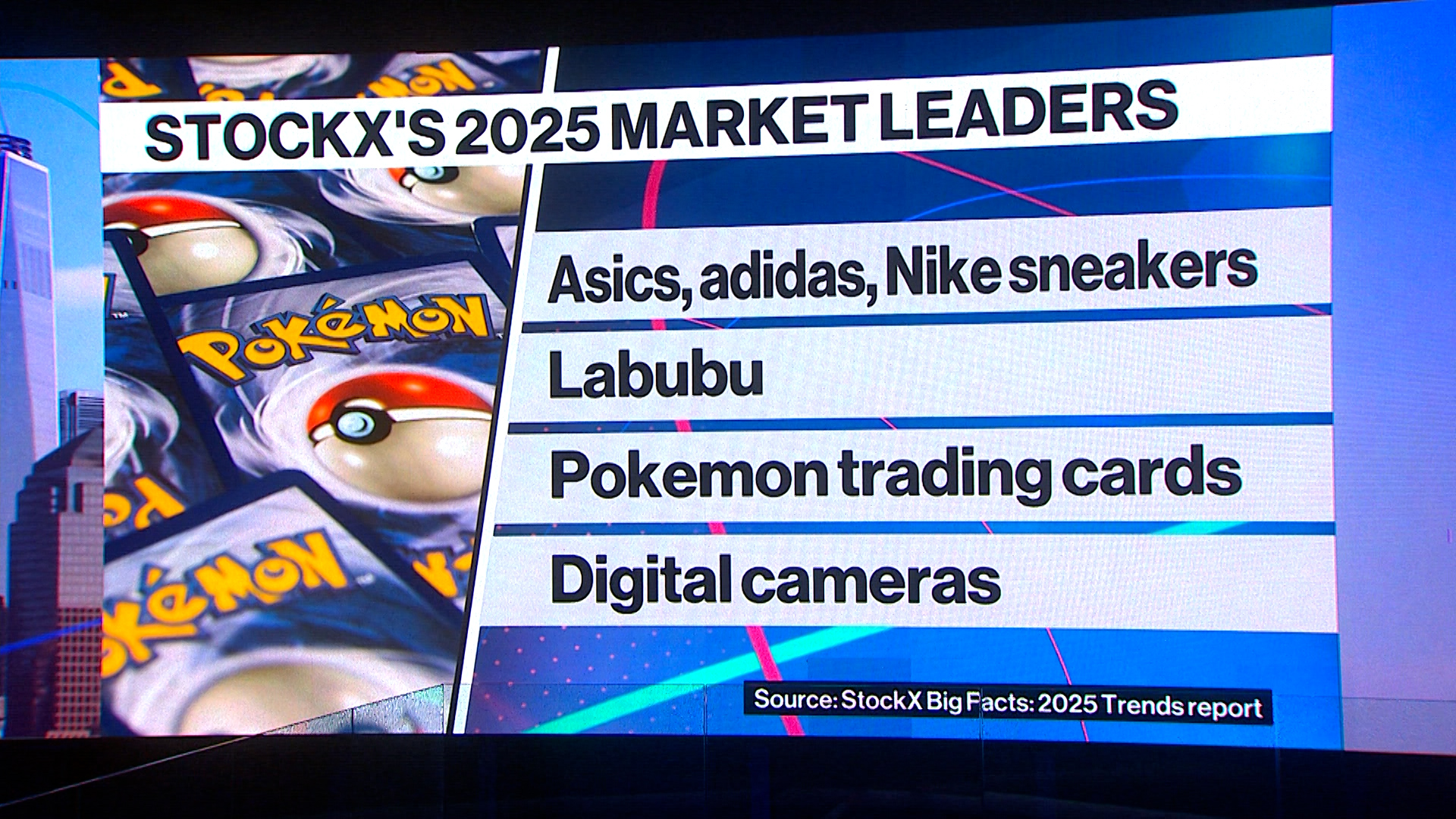
StockX posted a strong start to the holiday season, with order volume up 200% week‑over‑week during peak Black Friday hours (nearly two trades per second), year‑over‑year gains in gross merchandise value and average order value, and the Nike Air Jordan 4 'Black Hat' becoming its largest Black Friday release and one of the top five releases in company history. The marketplace launched next‑day shipping across its global verification/logistics network and reported that roughly 25% of sneakers sold were at or below retail—indicating increased supply and pricing pressure on some SKUs—while partnering with a prediction‑market platform to create event contracts tied to resale prices using StockX market data.
Market structure: Winners are brand owners (NKE), logistics/fulfillment winners (AMZN, UPS, FDX) and secondary-market platforms (StockX — private) that monetize scarcity and data; losers are low-end/mall-based retailers and any primary retailers unable to match marketplace pricing. The 25% of sneakers trading at/below retail signals episodic oversupply on the secondary market and compresses short-term pricing power for mid-tier drops while preserving premium for flagship releases.
Risk assessment: Tail risks include regulatory scrutiny of prediction markets (Kalshi-style contracts) and reputational/operational shocks from scaling next‑day verification (counterfeit or shipment failures) that could force capital-intensive fixes. Immediate (days) risk = holiday returns/fulfillment hiccups; short-term (weeks/months) = brand cadence and earnings reaction; long-term (quarters/years) = secular shift of primary-to-secondary demand and platform monetization ability.
Trade implications: Direct equity plays favor NKE (capture product momentum) and AMZN/UPS/FDX (fulfillment infra); favor fintech/payments exposed to marketplace settlements. Use relative trades: long premium footwear/brands vs department-store retailers. Options: preferred instrument is defined-risk call spreads on NKE to capture post-holiday momentum while limiting downside.
Contrarian angles: Consensus underestimates how a more liquid secondary market (and prediction markets) can lower long-run SKU-level margins and demand for high-frequency new stock—this is underdone in legacy retailers’ guidance. Historical parallels: trading in collectibles often mean-reverts after a speculative spike; increased marketplace transparency may accelerate that mean reversion and episodic volatility.
AI-powered research, real-time alerts, and portfolio analytics for institutional investors.
Request DemoOverall Sentiment
moderately positive
Sentiment Score
0.45
Ticker Sentiment
