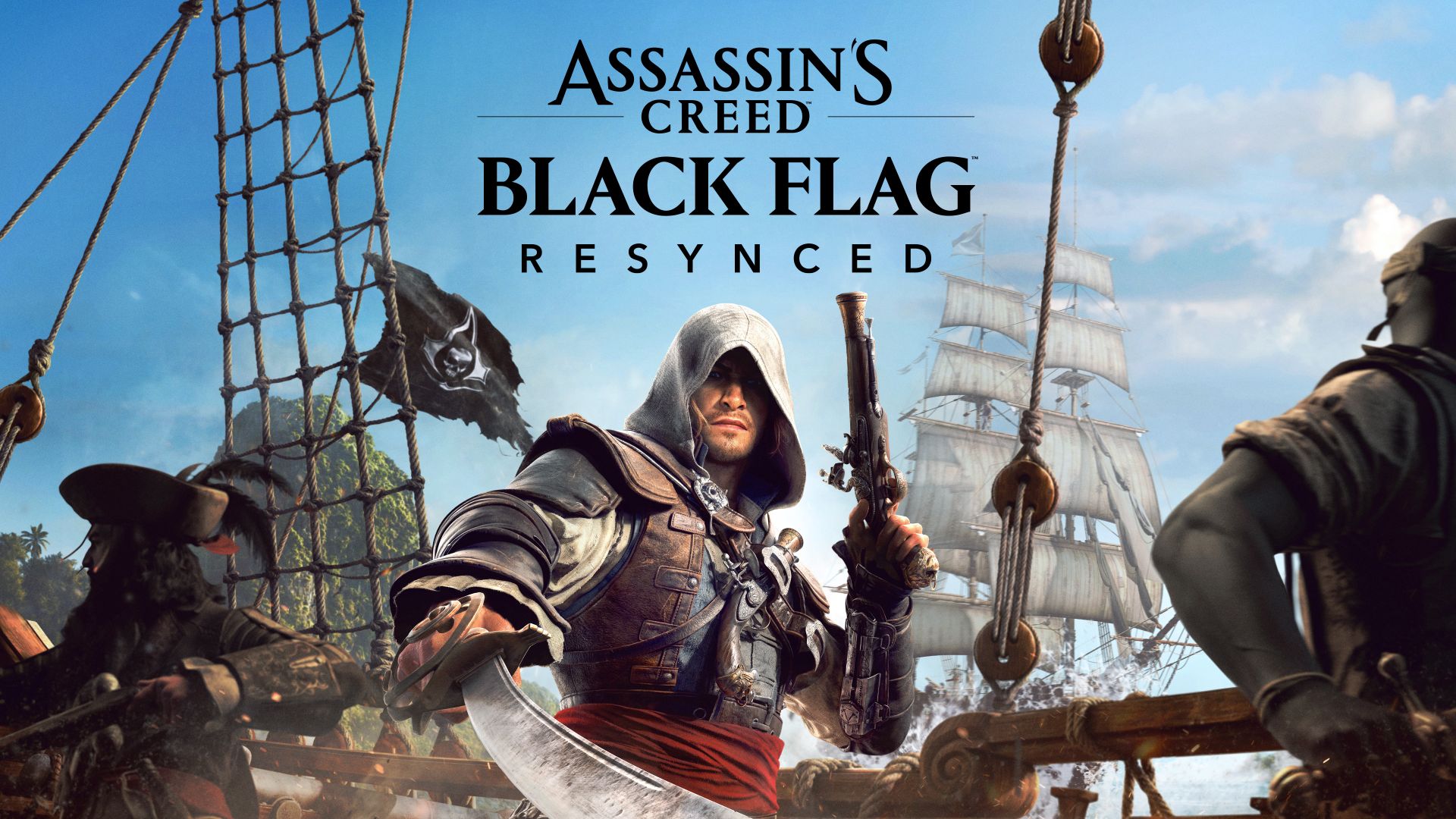
Ubisoft announced Assassin’s Creed Black Flag Resynced will launch on Xbox Series X|S on July 9, featuring a ground-up Anvil engine rebuild, ray tracing, Dolby Atmos, dynamic weather, and gameplay quality-of-life upgrades. The remake also adds new missions, scenes, naval combat enhancements, and extra content tied to original Edward voice actor Matt Ryan. This is positive for engagement and franchise monetization, but the article is primarily a product reveal and is unlikely to materially move the stock on its own.
This is less a single-game announcement than a test case for Ubisoft’s ability to monetize its back catalog with premium remaster economics. The key investor takeaway is that the company is leaning into higher-ARPU, lower-content-risk revenue: a recognizable IP, a price point anchored near full retail, and add-on cosmetics that should lift attach rates without meaningful dev-cost inflation. If the launch executes, it supports a broader re-rating of Ubisoft’s legacy catalog as an annuity stream rather than a one-off revival.
The second-order effect is competitive rather than direct: successful high-fidelity remakes raise the bar for Activision/Microsoft, EA, and Take-Two to keep dormant franchises monetized through remasters, not just sequels. That can be margin-accretive across the sector because remakes typically require less marketing spend per unit of demand than new IP, but it also risks cannibalizing future premium launch slots if consumers learn to wait for upgraded editions. The mention of added content and voice talent matters because it signals management is willing to spend enough to avoid the “lazy remaster” discount that has hurt past catalog reissues.
Near term, the trade is about launch-week sentiment, not durable earnings delta. The main risk is that this becomes a one-off nostalgia spike with weak engagement retention, which would cap upside after the initial booking window and leave preorder optics better than lifetime sell-through. The contrarian view is that the market may underappreciate how much of the gross margin on a remaster comes from digital distribution and existing IP, so even middling unit sales can still be economically attractive if the title meaningfully offsets weaker performance elsewhere in the portfolio.
AI-powered research, real-time alerts, and portfolio analytics for institutional investors.
Request TrialOverall Sentiment
moderately positive
Sentiment Score
0.60
