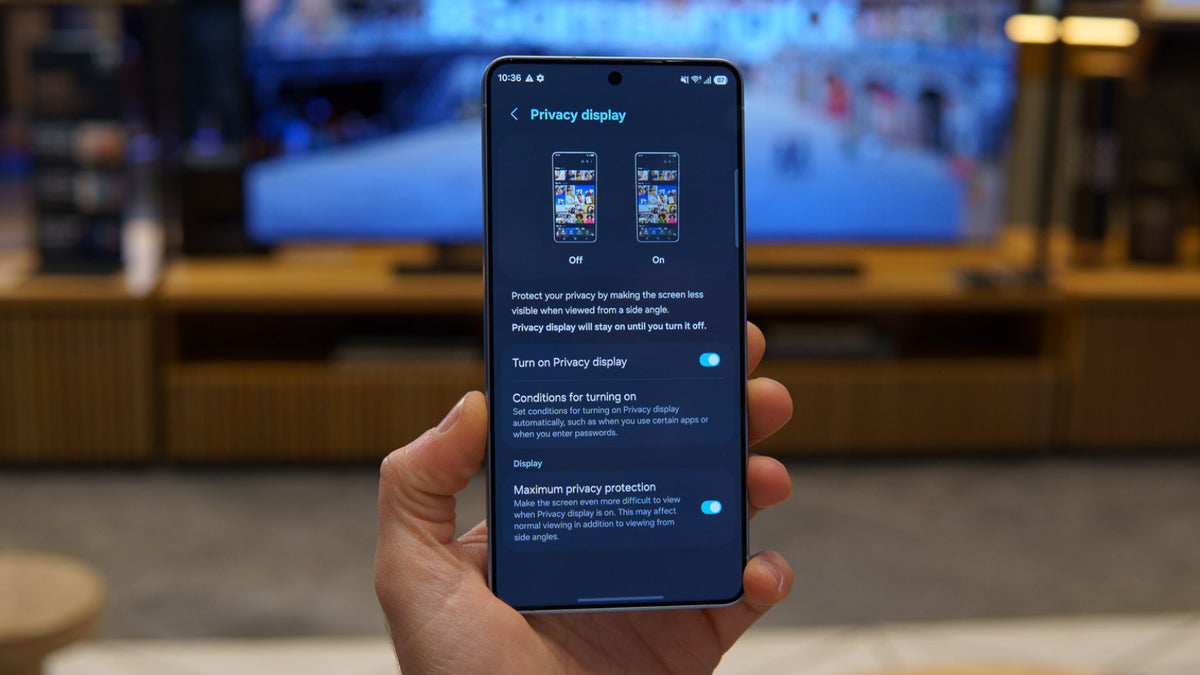
36% of poll respondents said they will not buy the Galaxy S26 Ultra due to display problems; 30% of owners report display issues while 33% report no problems. Samsung has publicly acknowledged concerns and is reportedly paying people to keep their S26 Ultra, signaling potential near-term volume and reputation risk for the flagship. The problem is subjective and may be fixed in future models, limiting broader long-term corporate impact unless the privacy display feature is abandoned or sales materially decline.
The market reaction to a feature-led but ergonomically compromised flagship is primarily a demand shock concentrated in the premium cohort; anecdotal polling showing a >30% buyer hesitation is consistent with an initial material hit to sell-through and a rise in voluntary retention/compensation costs. That creates a two-speed problem: headline unit demand falls near-term (weeks→quarters) while warranty/retention expenditures and promotional pressure rise, compressing mobile segment margin even if overall conglomerate revenues are buffered by memory/foundry cycles.
Second-order supply-chain effects arrive with short lags. Specialized thin-film stacks and privacy-layer vendors face an order cliff inside 1–2 quarters if Samsung scales back or delays the feature, while the used-flagship channel will see a transient supply glut that depresses trade-in values and forces carriers to increase subsidies — a feedback loop that amplifies revenue loss per unit sold.
Catalysts that could reverse the trend are binary and time-sensitive: (1) a credible firmware/driver fix that restores visual comfort can recover consumer confidence within 2–6 weeks; (2) OEM decisions to patch, roll-back, or compensate at scale will show up in quarterly MSPs and margin guidance within 1–2 quarters; and (3) if Samsung abandons the privacy display, component winners/losers will be decided at the next procurement cycle 6–12 months out.
From an investor lens this is a sentiment-driven event with a clear event calendar: short-term volatility around press/social coverage and firmware releases, medium-term inventory/earnings risk into the next quarterly print, and a longer-term product-portfolio decision that will reallocate component demand across display suppliers over 6–12 months. Position sizing should reflect that Samsung’s diversified business lines mute balance-sheet exposure — mobile pain is real but not necessarily a corporate solvency issue.
AI-powered research, real-time alerts, and portfolio analytics for institutional investors.
Request DemoOverall Sentiment
mildly negative
Sentiment Score
-0.25
