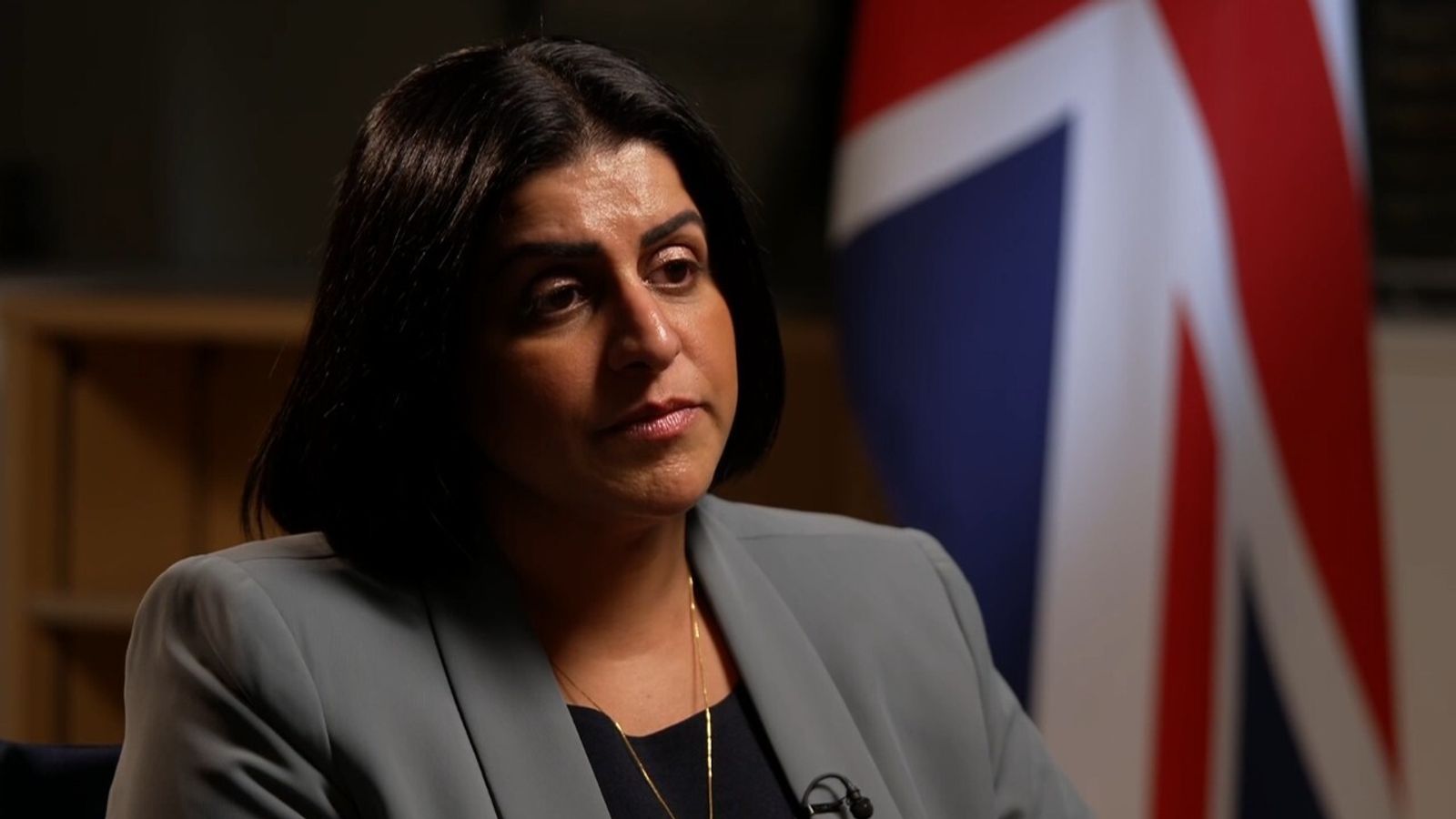
Home Secretary Shabana Mahmood acknowledged a 27% rise in irregular arrivals and unveiled a major Labour policy shift to “restore order and control,” proposing measures including cash incentives up to £3,000 or forced removal of more families with children, making refugee status temporary (2.5 years before review) and extending the qualifying period for permanent settlement from five years to 20. The package also removes the legal obligation to provide financial support to asylum seekers who can work but decline to do so, creates a new fast-track appeals body, seeks to reinterpret the ECHR in immigration cases, proposes visa bans for countries refusing deportees and establishes new safe legal refugee routes. Mahmood rebuffed comparisons with Reform UK and declined to set numeric targets, signalling a sharper enforcement stance that will reshape the domestic political debate and could affect enforcement costs, international deportation diplomacy and labour-supply dynamics in sectors reliant on migrants.
Home Secretary Shabana Mahmood acknowledged a 27% rise in irregular arrivals in the year to June and unveiled a “restoring order and control” package that materially tightens UK asylum policy. Key measures include cash incentives up to £3,000 or compulsory removal of more families with children, making refugee status temporary with a 2.5-year review, extending the qualifying period for permanent settled status from five years to 20, removing financial support for asylum seekers who refuse work, creating a fast-track appeals body, banning visas for countries refusing deportees, and seeking to reinterpret the ECHR for immigration cases.
The policy mix increases near-term enforcement and administrative activity—likely raising operational and diplomatic costs around deportations and border management—and creates a higher legal-risk profile owing to expected litigation over ECHR interpretation and removal powers. Faster appeals could shorten uncertainty for some cases, but the 20-year path to settlement and reduced support for non-working asylum seekers point to tighter long-run labour supply for sectors that rely on migrant workers.
Mahmood’s hawkish tone and public rebuke of opposition figures signal political prioritisation of immigration control, which reduces some policy ambiguity but raises the probability of contentious parliamentary battles and international pushback. Market signals indicate mildly negative sentiment but only a modest direct market impact, so investors should treat this as a sector- and policy-specific risk rather than a broad macro shock while monitoring legislative progress and operational rollout closely.
AI-powered research, real-time alerts, and portfolio analytics for institutional investors.
Request DemoOverall Sentiment
mildly negative
Sentiment Score
-0.25
