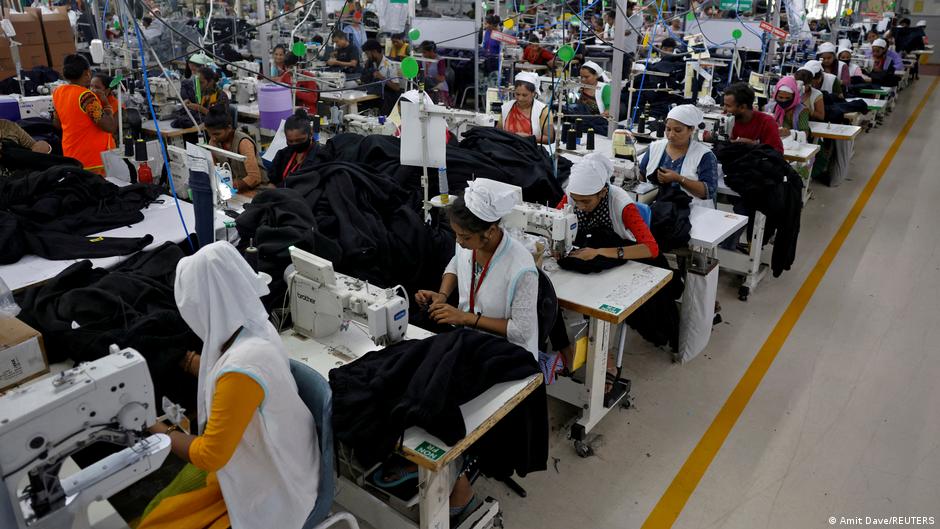
India has put four new labour codes into effect—the wages code, industrial relations code, social security code and occupational safety, health and working conditions code—that the government says modernize century-old rules, improve worker protections and ease conditions for investment. Ten trade unions under the Joint Platform of Central Trade Unions condemned the rollout as a “deceptive fraud” and have called nationwide protests on Nov. 26, arguing the reforms, while offering minimum-wage and social security provisions, also make hiring and firing easier. Although businesses have long sought softer labour laws to boost manufacturing, the Association of Indian Entrepreneurs warned the new rules could raise costs for SMEs and asked for transitional support, leaving a window of potential labour unrest and policy uncertainty that could affect investment and operations in key sectors.
The Government of India has implemented four labour codes—the wages code, industrial relations code, social security code and occupational safety, health and working conditions code—that were approved by parliament five years ago and became effective this week; the Labour Ministry frames the move as modernizing century-old rules to improve worker protections and ease conditions for investment. Ten trade unions under the Joint Platform of Central Trade Unions condemned the rollout as a "deceptive fraud" and have called nationwide protests for November 26, citing that while the codes introduce minimum-wage and social-security elements they also make hiring and firing easier. Industry reaction is mixed: businesses have long sought softer labour rules to boost manufacturing, yet the Association of Indian Entrepreneurs warned the new rules could significantly raise costs for small and medium-sized enterprises and requested transitional support from New Delhi. The article’s sentiment indicators are mildly negative (sentiment_score -0.3) with a modest market-impact score of 0.3, implying limited immediate market disruption but a clear risk of near-term operational and policy uncertainty for firms with concentrated labour exposure; monitor protest outcomes, government clarifications and any SME support measures closely.
AI-powered research, real-time alerts, and portfolio analytics for institutional investors.
Request DemoOverall Sentiment
mildly negative
Sentiment Score
-0.30
