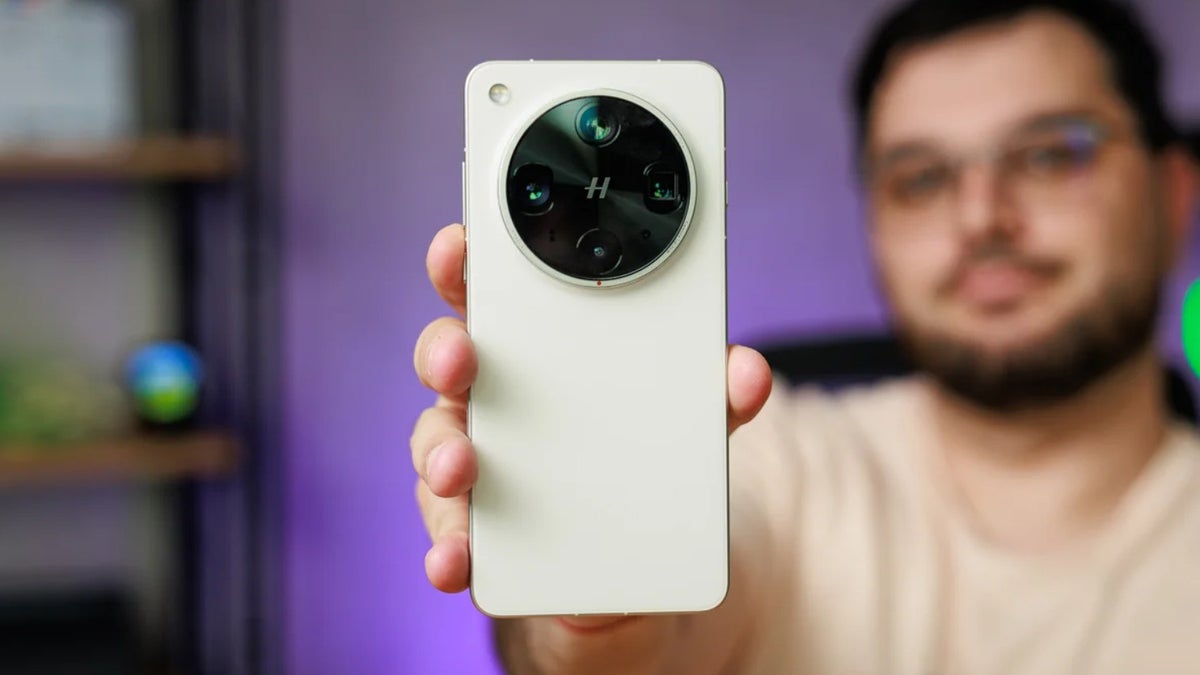
Oppo confirmed a global launch for the Find X9 Ultra in April; leaked hardware specs include a 200 MP main sensor, a 200 MP periscope telephoto with 3x optical zoom, a 50 MP periscope telephoto with 10x optical zoom, a 50 MP ultra-wide, and a 50 MP front shooter. The phone will feature a dedicated True Color Camera and Hasselblad Master Mode and is Oppo's first 'Ultra' model to receive a global release, increasing competition with Xiaomi 17 Ultra, Vivo X300 Ultra and likely the upcoming iPhone 18 Pro on imaging. A Find X9s Pro is also expected in April (possibly 80W wired charging) but its global availability is unclear; overall, headlines are product-cycle positive but unlikely to move markets materially.
Oppo’s move to globalize a top-tier “Ultra” product shifts the premium Android competitive set from regional skirmishes to a global contest for camera-led differentiation. Expect near-term promotional pressure in APAC/EU premium channels that can compress ASPs for flagship Androids by an estimated 3–5% over the next 6–12 months as OEMs chase share with hardware-heavy feature parity. This dynamic increases the importance of software/image-pipeline partnerships as a low-cost moat — winners will be those who translate sensor specs into repeatable consumer outcomes (color science, low‑light IQ, UX shortcuts), not just raw MP counts.
On the supply chain front, demand for advanced imaging subsystems (high‑res sensors, folded periscope optics, ISP tuning services) will reallocate incremental procurement dollars toward a small cohort of suppliers, supporting 5–15% revenue upside and margin expansion for best‑in‑class vendors over the next 3–12 months if capacity is tight. Conversely, accelerated scaling by OEMs or multi‑sourcing could flip this into inventory overhang within a year, creating cyclical volatility for component names. Also, carrier and retail bundling strategies in key emerging markets will be an underappreciated lever — subsidized plans could accelerate share shifts within a single quarter in price‑sensitive geographies.
Primary near‑term catalysts to watch are professional reviews and head‑to‑head camera benchmark results (first 2–6 weeks post‑launch), initial sell‑through and carry‑rate on carrier promotions (0–3 months), and competitive responses from incumbents at major events (e.g., Apple/Google product cycles within 3–9 months). Tail risks: supply bottlenecks that blow up costs, systemic image‑quality problems revealed in reviews, or geopolitical/market access barriers that limit distribution, any of which would reverse share momentum within 1–3 months.
AI-powered research, real-time alerts, and portfolio analytics for institutional investors.
Request DemoOverall Sentiment
moderately positive
Sentiment Score
0.35
Ticker Sentiment
