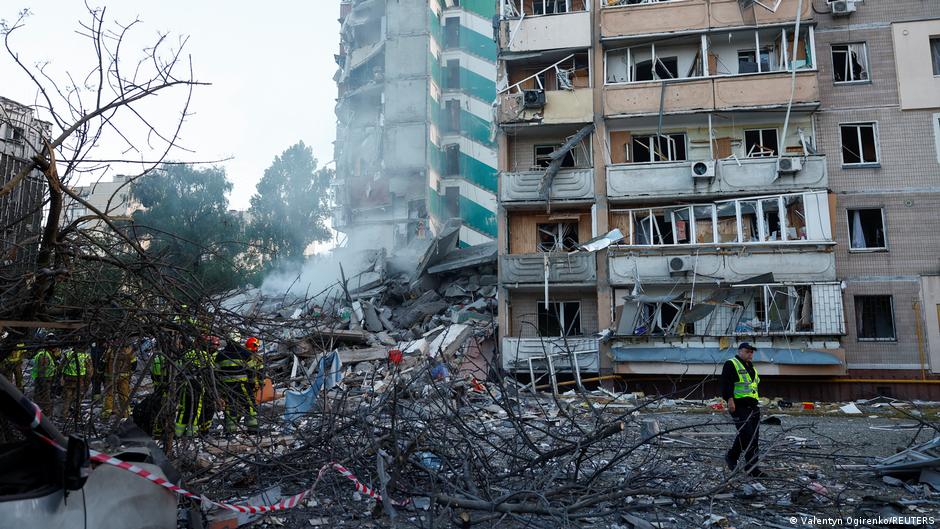
Russian strikes on Kyiv and other Ukrainian cities killed at least 10 people in the capital, with more than 30 injured in a single apartment block and 180 structures damaged nationwide, including 50 residential buildings. Ukraine said Kharkiv saw 28 injuries and Odesa two, while officials described the barrage as the largest since the full-scale invasion, with more than 1,560 Russian drones launched since Wednesday. The attacks heighten geopolitical risk and underscore continued escalation despite ceasefire discussions and international pressure on Moscow.
The market read-through is less about the immediate human toll and more about the regime shift: Russia is signaling that airpower will remain the primary coercive tool, which keeps the war on a higher-intensity path for at least the next several weeks. That matters because sustained salvos deplete interceptor inventories faster than they destroy infrastructure, forcing Ukraine and its backers into a financing-and-replenishment race rather than a battlefield one. In that setup, any company exposed to European sovereign stress or defense procurement cadence gets a bid, while assets tied to a quick ceasefire unwind risk are vulnerable to disappointment. The second-order effect is on sanctions enforcement and cross-border logistics. If escalation persists, the probability rises that Western governments tighten secondary sanctions, expand export controls, and accelerate defense industrial spending, which is constructive for European air-defense, missile, radar, and secure communications names over a 6-18 month horizon. The weak link is political fatigue: if the conflict stops dominating headlines, funding urgency can fade faster than physical damage repair cycles, creating a near-term air pocket in defense multiples even as order books remain intact. Contrarian takeaway: the rally trade is not in broad defense beta, but in supply bottlenecks where demand is non-discretionary and lead times are long. Missile interceptors, propulsion systems, and hardened power/telecom equipment should see the most durable repricing; legacy platform primes may not rerate as much because they face production constraints and less incremental margin capture. The risk to the bullish defense view is a sudden diplomatic push that pauses escalation without resolving the underlying war, which would likely hit sentiment faster than fundamentals.
AI-powered research, real-time alerts, and portfolio analytics for institutional investors.
Request DemoOverall Sentiment
extremely negative
Sentiment Score
-0.90
Ticker Sentiment
