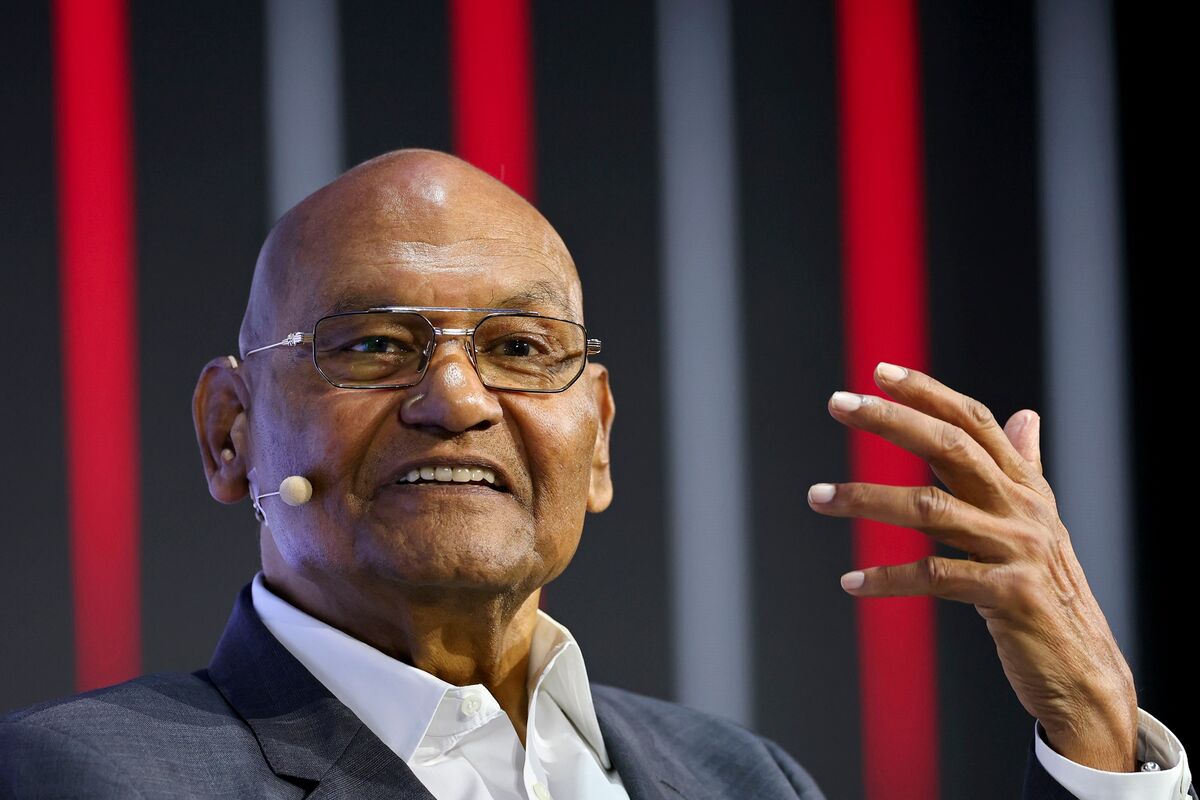
Billionaire Anil Agarwal's Vedanta Resources Ltd. is planning a dollar bond sale as early as this week, with investor calls scheduled globally, to refinance an existing private credit facility. The proposed seven-year note, featuring a two-year non-call period, aims to utilize proceeds alongside existing bank loans for debt repayment, indicating a strategic move in the company's financing structure.
Vedanta Resources Ltd., the Indian minerals conglomerate, is arranging global investor calls to market a potential US dollar bond offering. The proceeds from this new issuance, structured as a seven-year note with a two-year non-call period, are slated to be used in conjunction with existing bank loans to repay a private credit facility. This indicates a strategic liability management exercise aimed at refinancing its debt structure rather than raising fresh capital for operations. By targeting fixed-income investors across Asia, Europe, and the US, Vedanta is looking to tap global debt markets to optimize its financing. The move is a key development for the company's fundamentals, reflecting a proactive approach to managing its balance sheet within the emerging market and commodities context, and is viewed by the market with a neutral-to-mildly-positive sentiment.
AI-powered research, real-time alerts, and portfolio analytics for institutional investors.
Request DemoOverall Sentiment
mildly positive
Sentiment Score
0.15
