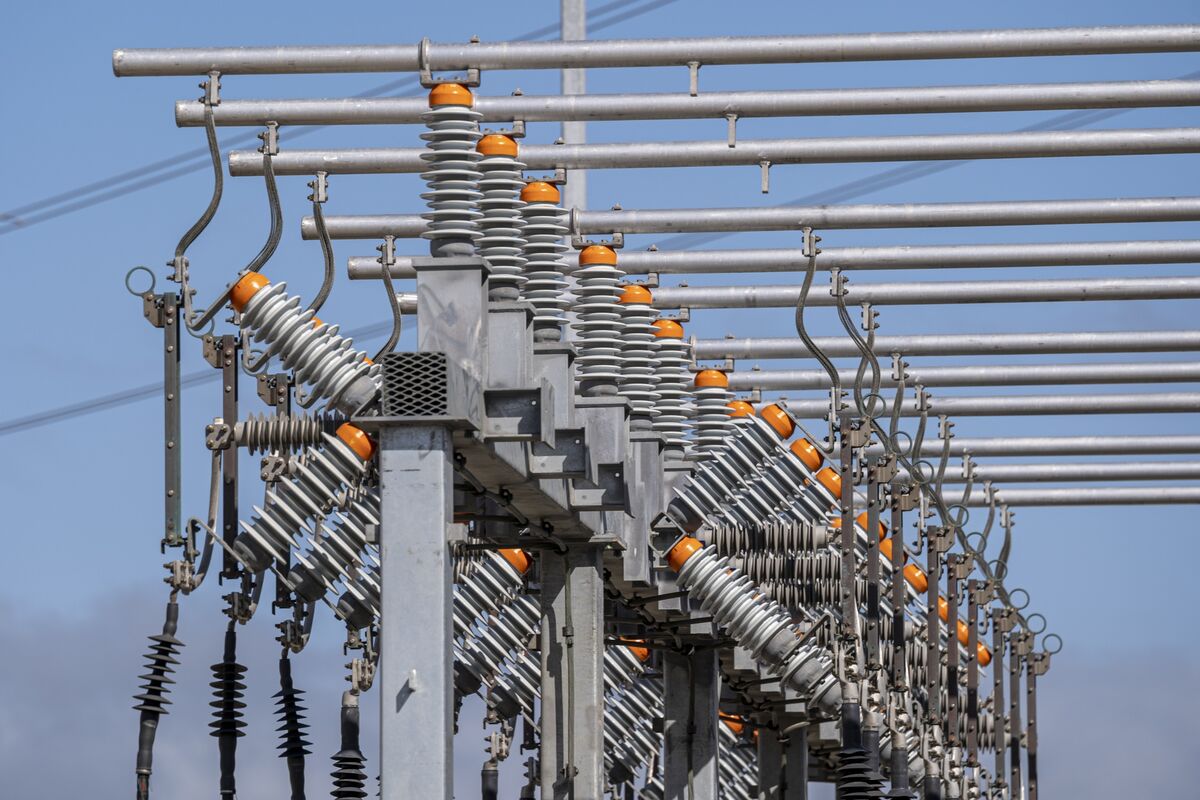
S&P upgraded Vistra Corp.'s long-term rating to investment grade at BBB- from BB+, citing a stronger risk profile driven by a deal to sell power from a nuclear plant, Vistra’s purchase of natural gas assets, and robust hedging of future output. The move highlights Vistra’s strategic asset repositioning and hedging that underpin cash-flow stability, and underscores its standing as a major U.S. power-sector beneficiary amid demand from the AI boom.
Market structure: The S&P upgrade to BBB- materially lowers Vistra’s funding cost and increases its ability to competitively bid long-term PPAs for AI/data-center load; expect VST to capture incremental baseload share versus unhedged merchant peers over 12–36 months. Winners: VST (VST), other hedged dispatchable generators and nuclear sellers; losers: pure-play intermittent renewables and merchant-only peakers that rely on volatile spark spreads. Cross-asset: VST credit spreads should compress 50–150bp near-term, pushing bond prices up and equity implied volatility down; natural gas and prompt power forwards in ERCOT/PJM likely firm by mid-single digits to low-teens percent if AI load growth materializes.
Risk assessment: Tail risks include regulatory clampdowns (carbon pricing/stranded-asset rules), major nuclear/plant outage or fuel-supply disruptions, and hedging-counterparty failures; each could reverse credit gains and widen spreads >200bp. Immediate (days) — bond/equity repricing; short-term (weeks–months) — hedge-roll and integration execution risk; long-term (quarters–years) — structural demand from AI data centers vs policy-driven stranded-asset risk. Hidden dependencies: upgrade benefits assume counterparty credit and successful gas-asset integration; loss of either magnifies downside.
trade implications: Direct: establish a tactical 2–3% long equity position in VST over 1–3 months and allocate 3–5% of fixed-income sleeve to VST 5–7yr bonds on any spread >120bp to US IG curve (target yield pickup 80–150bp). Pair: long VST, short ICLN (clean-energy ETF) 1:1 notional to express rotation into dispatchable generation for 6–12 months. Options: buy 9–12 month VST call spreads (debit, 1:1 width) sized to 50–75% of equity exposure to cap risk; sell short-dated calls to finance if rolling income desired. Exit signals: take 50% profits if VST credit spread tightens by >75bp or stock rallies >30% within 3 months; cut losses if spread widens >100bp or gas spikes >25% in 90 days.
contrarian angles: Consensus underestimates counterparty and nuclear-operational risk — a single prolonged outage or buyer non-performance could erase years of hedging benefits and widen spreads >150–200bp. Reaction may be underdone in bonds but overdone in equities if the market prices in continued AI demand growth; if AI load fails to scale (growth <1% regional demand over 12 months), merchant power prices could fall and VST re-rates lower. Historical parallel: 2014–2016 merchant-power downturn shows how rapid load swings and fuel-price shocks can flip ratings; guard against regulatory tightening and stranded-asset risk as unintended consequences of gas-centric growth.
AI-powered research, real-time alerts, and portfolio analytics for institutional investors.
Request DemoOverall Sentiment
moderately positive
Sentiment Score
0.45
Ticker Sentiment
