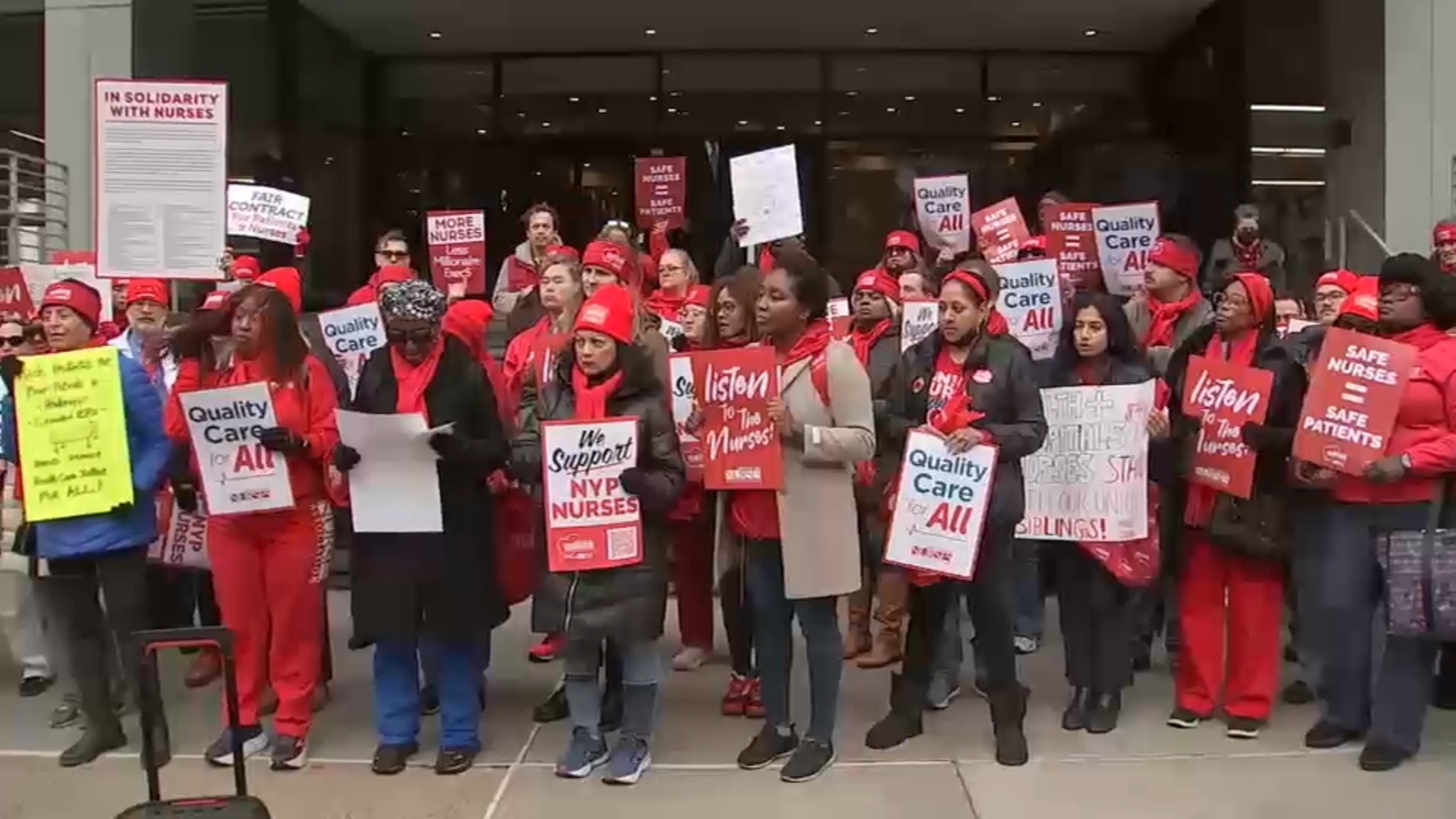
Up to 16,000-plus New York City nurses represented by the New York State Nurses Association could strike Monday if no contract is reached by midnight, potentially the largest nurses strike in city history and affecting major systems including Mount Sinai, Montefiore and NewYork-Presbyterian. The union cites demands for higher pay and safer working conditions amid a historic flu surge and recent violent incidents in hospitals; providers say they are prepared to operate during a possible indefinite strike and some Northwell hospitals on Long Island have already averted walkouts. Operational disruptions and reputational or localized financial pressure on impacted hospital systems are possible, but broader market implications appear limited absent escalation or wider geographic contagion.
Market structure: A short, localized nurses strike in NYC shifts near-term economic rents from hospitals to staffing intermediaries and urgent-care/telehealth providers. Expect travel-nurse rates to rise 15–40% in-city for the duration, boosting AMN/CCRN revenue for 2–12 weeks while squeezing hospital labor margins by an estimated 1–3 percentage points if the walkout exceeds one week.
Risk assessment: Tail risks include a protracted strike (>2 weeks) producing elective-procedure deferrals that could reduce NYC hospital revenue 5–15% in a quarter and force state emergency measures; contagion risk to other unions is medium (20–30%). Immediate operational disruption (days) evolves into margin pressure (weeks) and contract-rate baseline inflation (quarters) if settlements ratchet permanent pay up by >5%.
Trade implications: Favor short-duration exposure to staffing winners and hedged short exposure to hospital operators with NYC concentration. Use options to express convex views—buy calls on staffing names and buy puts on hospital operators—targeting a 30–90 day window tied to settlement and flu-peak data.
Contrarian angles: Consensus overstates systemic risk—large systems will use contingency staffing and defer electives, containing long-term revenue loss; staffing firms’ pricing power is capped by available nurses, making revenue spikes shallow beyond 8–12 weeks. If settlement is swift (≤72 hours), staffing equities should mean-revert; if strike >7 days, automation and outpatient migration accelerate, benefitting telehealth (TDOC) medium-term.
AI-powered research, real-time alerts, and portfolio analytics for institutional investors.
Request DemoOverall Sentiment
mildly negative
Sentiment Score
-0.25
