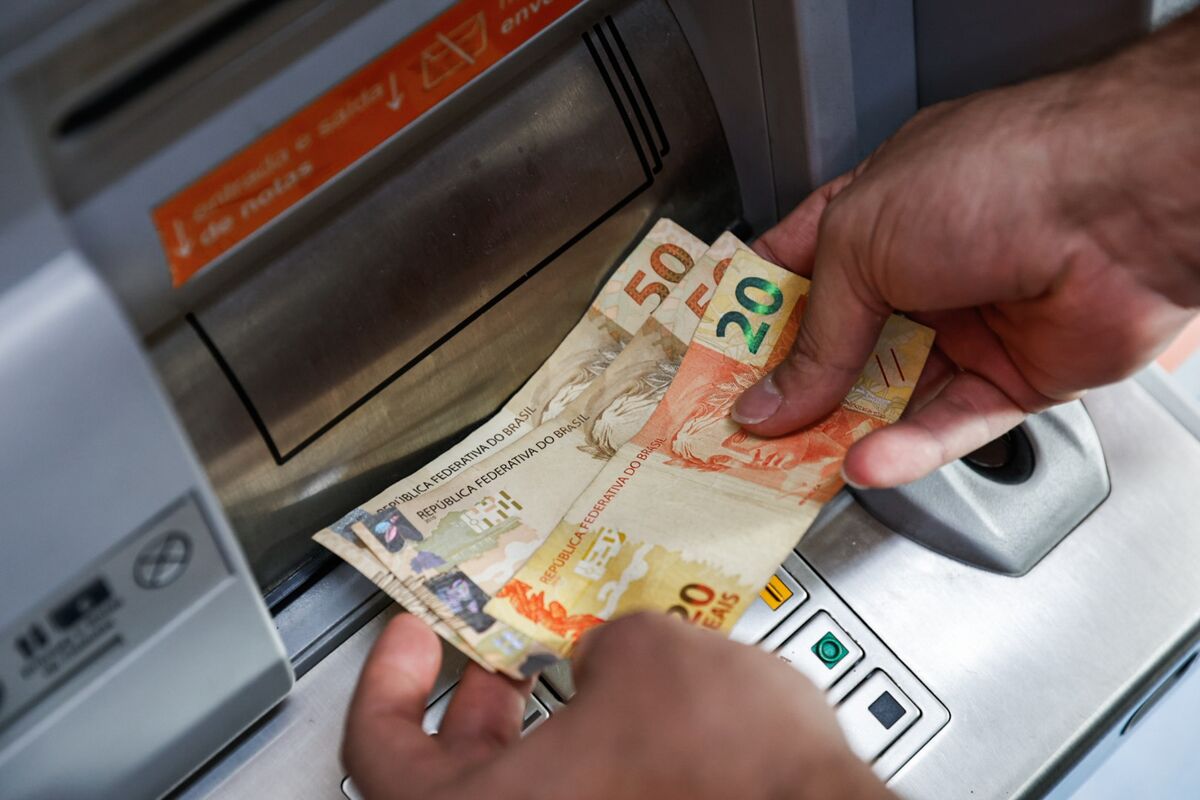
Brazil's Finance Minister Fernando Haddad reversed a plan to increase the IOF tax on transfers to offshore funds after the initial announcement triggered a selloff of the Brazilian real, which declined over 1%. The reversal reflects concerns that the tax hike was perceived by markets as a potential move towards capital controls, prompting speculative outflows.
Brazil's government has reversed its decision to increase the IOF tax on transfers to offshore funds, a policy U-turn announced by Finance Minister Fernando Haddad following a significant negative market reaction to the initial proposal. The Thursday announcement of the tax hike triggered a selloff in the Brazilian real, causing it to depreciate by over 1%, as markets interpreted the measure as a potential step towards capital controls and sparked speculative outflows. Minister Haddad explicitly stated the reversal was aimed at 'avoiding speculation,' acknowledging the market's adverse reaction. This rapid policy shift, while highlighting initial policy misjudgment, is viewed as moderately positive (sentiment score 0.5) as it alleviates immediate concerns about capital restrictions and demonstrates governmental responsiveness to market feedback, an event with a notable market impact score of 0.6. The episode underscores the acute sensitivity of the Brazilian currency and investor confidence to fiscal measures perceived as impediments to capital mobility, a key consideration for emerging market investments.
AI-powered research, real-time alerts, and portfolio analytics for institutional investors.
Request DemoOverall Sentiment
moderately positive
Sentiment Score
0.50
