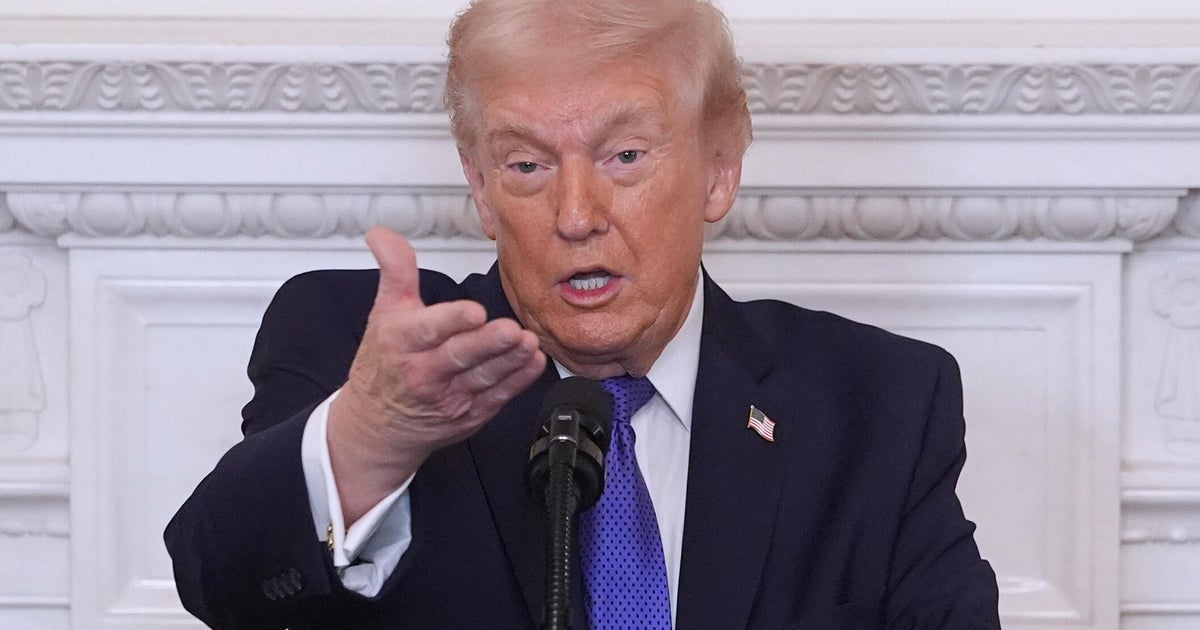
President Trump said he is "considering" a limited military strike on Iran while the U.S. military builds up forces in the region, and senior national security officials have told him forces could be ready for strikes as soon as Saturday though the timeline may extend beyond the weekend. He also gave Iran 10–15 days to reach a deal on its nuclear program and warned of "bad things" if it fails, elevating near-term geopolitical risk that could drive market volatility, defense-sector sensitivity and safe-haven flows.
Market structure: A limited strike narrative disproportionately benefits defense primes (LMT, RTX, NOC) and oil majors (XOM, CVX) through near-term order visibility and a higher geopolitical risk premium; airlines/cruise (AAL, DAL, CCL) and EM tourism/ports are direct losers. Pricing power will tilt to energy and defense suppliers as insurance/shipping costs rise; expect Brent/WTI implied risk-premium to move north by 8–20% in a contained strike scenario within 7–14 days.
Risk assessment: Tail scenarios include escalation (closing Strait of Hormuz) that could spike Brent >$20/bbl and push global CPI +30–70bps over 3 months, forcing Fed narrative shifts — low-probability but high-impact within 30–90 days. Hidden dependencies: European gas flows, shipping insurance, and cyber retaliation could transmit shocks to supply chains and financial infrastructure; catalysts are casualty counts, proxy attacks, or rapid diplomatic de-escalation.
Trade implications: Immediate (48–72h) plays: long short-dated Brent/WTI calls or USO call spreads and 1–2% long positions in LMT/RTX via 3–6 month call spreads; hedge with VIX calls or VXX for 30–60 days. Over 1–3 months rotate into XOM/CVX on oil realization and reduce consumer discretionary/airline exposure; if Brent spikes >10% in a week, increase energy/defense exposure by another 1–2%.
Contrarian angles: Consensus may overprice permanent risk; past limited strikes (e.g., 2019 tanker incidents) saw initial oil/gold spikes fade in 4–8 weeks — a rapid contained strike could create a buying opportunity in beaten-down cyclicals and EM equities. Watch for mean-reversion triggers: clear diplomatic de-escalation within 2–4 weeks or oil retrace >15% from peak, which would favor unwind of volatility and short cyclical cover.
AI-powered research, real-time alerts, and portfolio analytics for institutional investors.
Request DemoOverall Sentiment
moderately negative
Sentiment Score
-0.50
