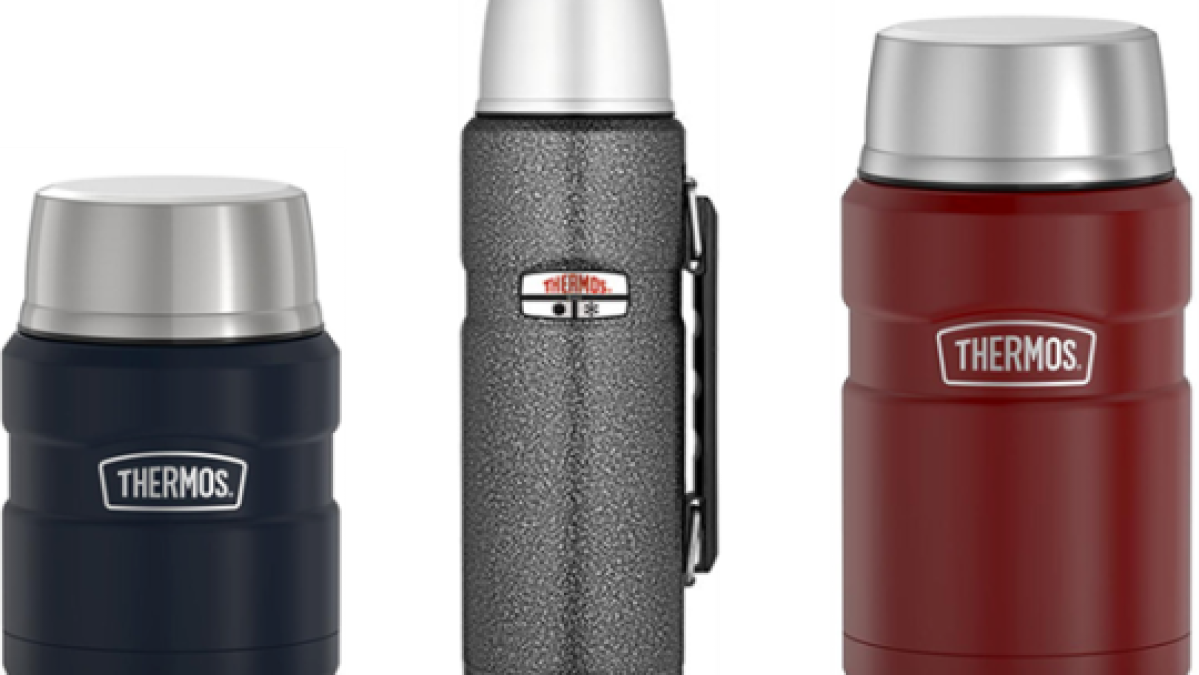
Thermos is recalling more than 8 million food and beverage bottles after at least 27 injury reports, including three cases of permanent vision loss from pressure buildup in the stopper. The recall covers Thermos Stainless King Food Jars SK3000 and SK3020 and Sportsman Food & Beverage Bottles SK3010 sold nationwide at major retailers and online from roughly March 2008 through July 2024 for about $30. Consumers are being told to stop using the products and obtain a free replacement stopper or replacement unit.
This is a classic low-dollar, high-severity product-liability event: the direct financial hit to the retailer platforms is likely immaterial, but the reputational and compliance overhang can still matter if regulators use the recall to scrutinize marketplace controls, seller vetting, and post-sale monitoring. The second-order risk is not lost unit sales on these specific items; it is incremental friction in the broader home/housewares category, where consumers may shift to private-label or in-store alternatives perceived as safer and better controlled. Among the listed names, the most exposed is the one with the largest exposure to third-party marketplace optics and the widest consumer funnel. Even when the incident is supplier-driven, the market tends to punish the retailer that looks like the distribution point, especially if the issue touches household goods sold over many years. That can show up as a small but measurable drag on category growth, higher quality-assurance costs, and more aggressive vendor chargebacks over the next 1-2 quarters. The catalyst path is probably short in headline duration but longer in governance impact. The immediate news cycle should fade within days, but the lingering issue is whether plaintiffs’ lawyers or regulators frame this as a pattern around marketplace merchandise controls rather than a one-off defect. If there are follow-on injuries or evidence the item stayed on shelves after internal warnings, the tail risk expands from brand annoyance to litigation reserve pressure and tighter merchant-side standards. Contrarianly, the move may be overdone if investors assume broad retail demand damage rather than a narrow product-safety event. The bigger benefit could accrue to more vertically controlled or premium kitchenware brands that can emphasize design, certification, and warranty credibility. For the retailers, any weakness is more likely a buying opportunity than a structural thesis change unless the recall broadens or triggers a deeper compliance review.
AI-powered research, real-time alerts, and portfolio analytics for institutional investors.
Request DemoOverall Sentiment
strongly negative
Sentiment Score
-0.60
Ticker Sentiment
