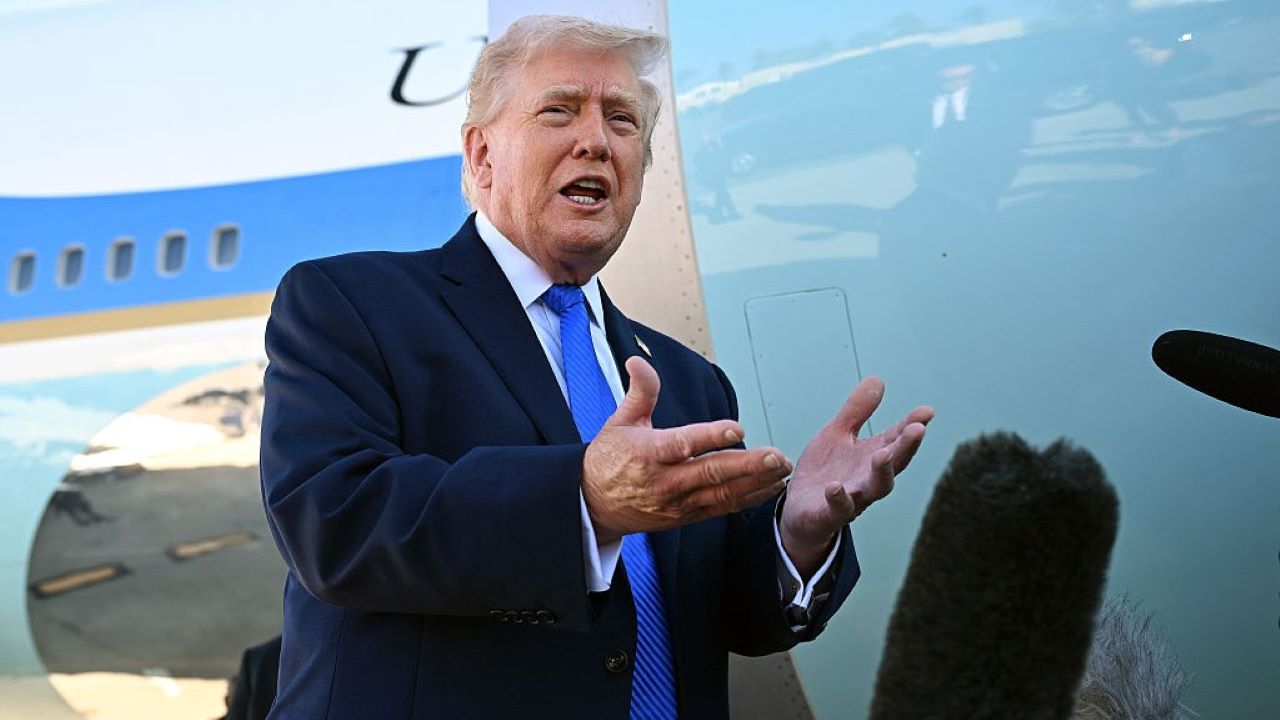
Geopolitical tensions escalated as President Trump floated a possible invasion of Iran’s Kharg Island while Tehran declared it is in a “major world war” and continues missile launches, including two intermediate-range ballistic missiles reportedly fired toward Diego Garcia (~2,500 miles). Spain closed its airspace to U.S. warplanes and Iran allowed 20 oil tankers to transit the Strait of Hormuz this weekend. These developments increase risk-off pressure with potential material impacts on energy markets, military logistics, and global market volatility.
Geopolitical fragmentation is transmitting into transport economics faster than headline price moves. Expect war-risk insurance and rerouting costs at major chokepoints to spike 2x-4x within weeks, producing a near-term freight-cost passthrough that can lift crude and refined product prices by $5-15/bbl absent inventory buffers. Ship-owner cash flows (tanker and drybulk) are the fastest way for markets to price this shock because charter rates respond within days while upstream physical production adjusts over quarters.
Defense and ISR demand will accelerate but with a pronounced timing mismatch: procurement and budget reallocation lift large primes’ forward revenue visibility over 6-18 months, while small-cap subsystem suppliers can see order flow and margin expansion in 3-9 months. The asymmetric proliferation risk (longer-range strike capabilities, dispersed launch sources) also materially raises the value of integrated sensor-to-shooter systems and space-based persistent ISR, concentrating upside in a narrow cohort of contractors and specialized semiconductor/optic vendors.
Financial plumbing and sanctions avoidance create second-order winners and losers: commodity traders with diversified bank corridors and balance-sheet robustness capture arbitrage opportunities; regional banks and insurers with concentrated shipping/commodity exposure take the earliest credit and P&L hits. Political divergence among allies raises the premium for secure allied basing and logistics services, favoring infrastructure owners and port logistics providers in politically stable jurisdictions.
Key catalysts to watch are: (1) abrupt shipping-route closures or insurance blacklists (days-weeks) that compress tanker availability; (2) public multilateral defense procurement commitments (weeks-months) that cement revenue paths for primes; (3) successful diplomatic confidence-building that can roll back insurance and freight premiums on a 4-12 week cadence. Tail risk: a broadening of high-end strike exchanges could put sustained upward pressure on energy and risk assets for quarters to years.
AI-powered research, real-time alerts, and portfolio analytics for institutional investors.
Request DemoOverall Sentiment
strongly negative
Sentiment Score
-0.80
