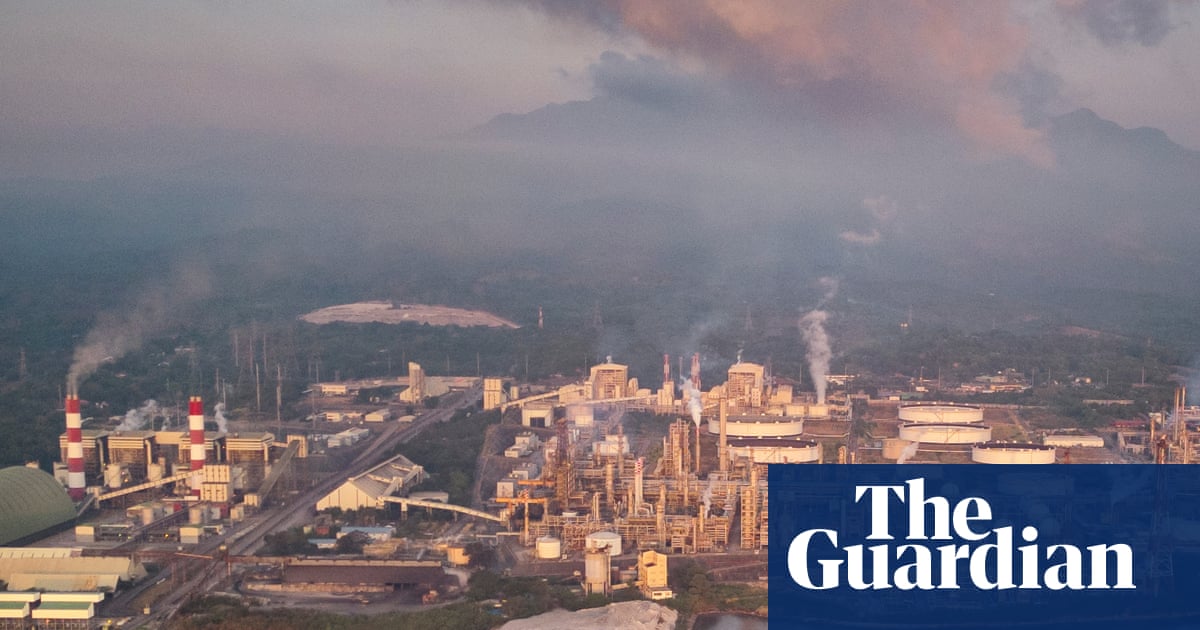
Oil is trading around $110/bbl with forecasts to $150, and the US–Israel war on Iran risks further supply shocks; the World Food Programme warns 45 million more people could be pushed into acute hunger. The US oil & gas sector may gain a ~$60bn windfall while Russia is earning an estimated extra $150m/day, feeding inflation, input shortages and cost pressures across steel, chemicals and households. Renewables are rising—low‑carbon electricity overtook coal, China added 360GW (2024) and 430GW (2025) and invested >$1tn in clean energy vs $260bn in fossil fuels—but transition progress is uneven (India targets 60% low‑carbon power by 2035 after adding 45GW last year). Overall, the piece signals material, market‑wide risks from commodity and geopolitical shocks that could slow the green transition and amplify inflationary pressures.
Petrostates will use the current price windfall to rebuild fiscal buffers and accelerate upstream capex, which paradoxically increases supply-side resilience and raises the odds that the current spike is drawn out over 6–24 months rather than a short shock. That dynamic favors integrated and national oil companies that can deploy large-scale capex and monetize scale advantages, while undercutting higher-cost marginal producers if prices retreat later in the cycle.
The global energy system is bifurcating: export-oriented industrial chains in Asia (batteries, solar modules, EVs) will widen their lead because they capture both manufacturing scale and the political will to electrify — a structural edge that compounds over 2–5 years. By contrast, exporters that rely on commodity rents but lack downstream clean-tech ecosystems face a slow decline in economic leverage unless they reinvest rents into industrial diversification.
Methane abatement and retrofit services represent a high-optionality, underpriced regulatory catalyst with measurable near-term ROI for operators; a coordinated “coalition of the willing” or UN-led treaty within 2–5 years would create an enforceable payback horizon for abatement capex and satellite-monitoring IP. Separately, fertilizer and food supply chokepoints create asymmetric political tail risk in importing EMs over the next 3–12 months, which can produce outsized volatility in FX, bonds and food stocks.
Macro overlay: persistent commodity-driven inflation pushes central banks toward a higher-for-longer rate posture, compressing long-duration clean-tech multiples and favoring cash-generative energy services and commodity producers in the near term. The primary reversal risks are rapid diplomatic normalization or emergency supply releases that could shave the risk premium within 30–90 days, and an accelerated battery metals supply response that would cool EV transition inflation over 18–36 months.
AI-powered research, real-time alerts, and portfolio analytics for institutional investors.
Request DemoOverall Sentiment
strongly negative
Sentiment Score
-0.60
Ticker Sentiment
