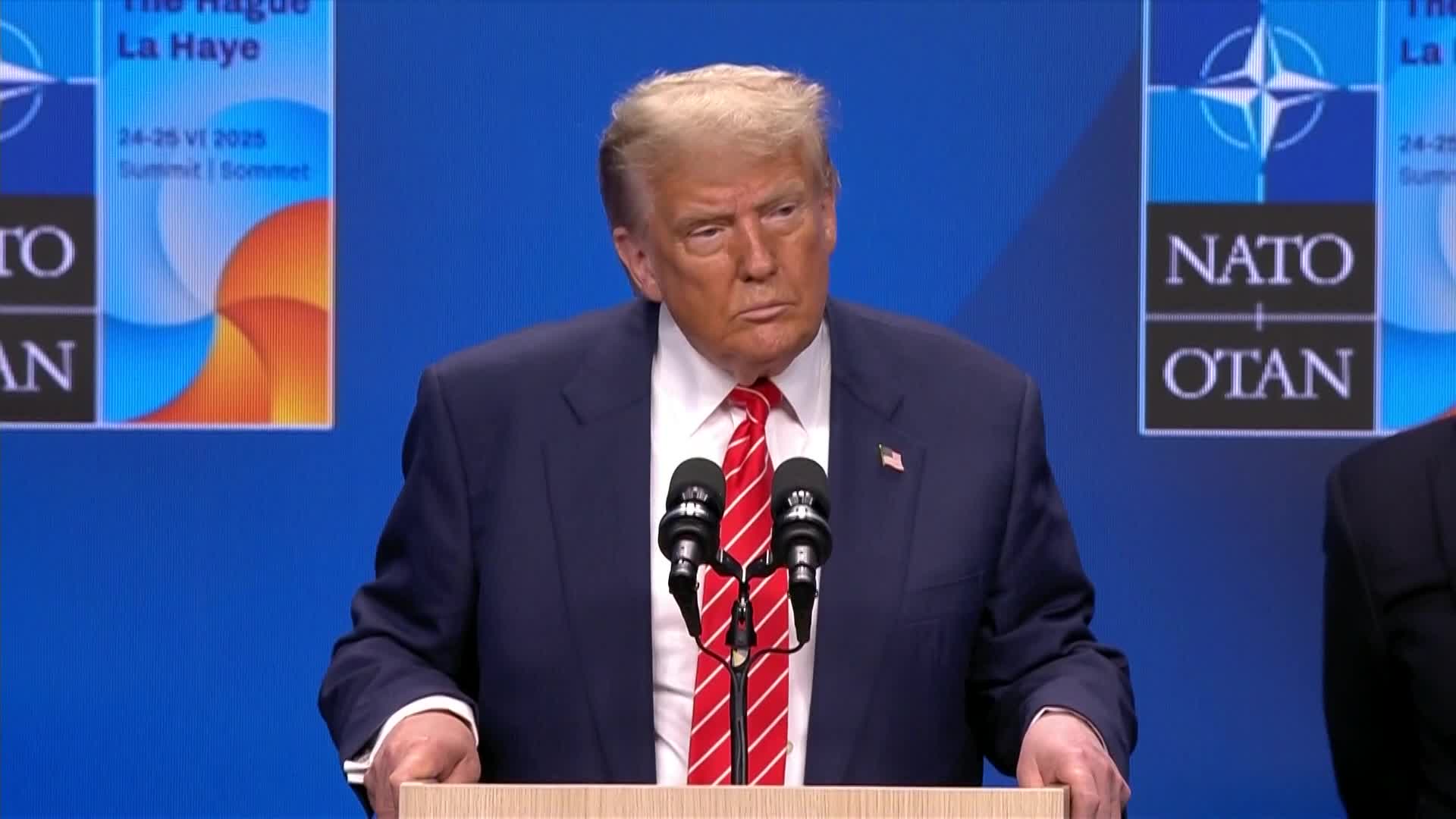
President Trump reaffirmed his administration's 'maximum pressure' campaign against Iran, clarifying previous statements regarding China's oil purchases. Despite earlier indications that China could continue buying Iranian oil, Trump stated China would source oil from the U.S. or other nations, implicitly excluding Iran. This signals an unwavering commitment to economic isolation of Iran, with potential implications for global energy markets and U.S.-China trade dynamics.
President Trump's clarification at the NATO summit reaffirms a steadfast U.S. commitment to the 'maximum pressure' campaign against Iran, effectively removing ambiguity about a potential softening of sanctions. By stating that China can source oil from the U.S. or other nations, the administration is explicitly signaling that Iranian crude is to remain off-limits to one of the world's largest importers. This policy stance tightens the global oil supply outlook and directly links U.S. energy policy to ongoing trade dynamics with China, positioning American energy exports as an alternative to Iranian supply. The neutral sentiment of the report, combined with a moderate market impact score, suggests that while the policy itself is not new, its firm reaffirmation serves as a significant macro catalyst, reinforcing the geopolitical risk premium in energy markets and underscoring the strategic use of sanctions in U.S. foreign policy.
AI-powered research, real-time alerts, and portfolio analytics for institutional investors.
Request DemoOverall Sentiment
neutral
Sentiment Score
0.00
