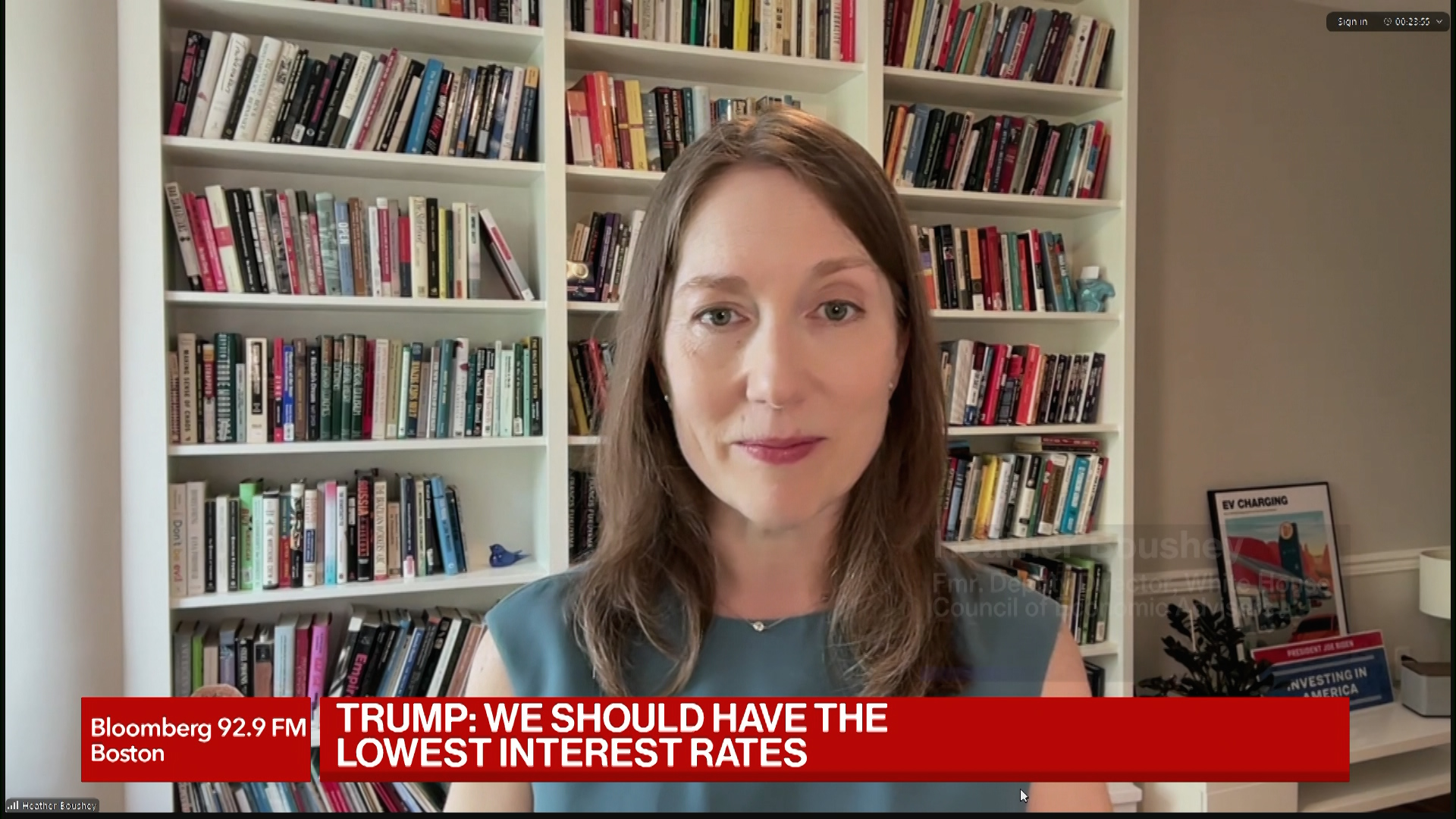
Economist Heather Boushey described the current approach to new trade deals as a 'chaotic' tariff rollout, reminiscent of previous unpredictable policy implementations. This assessment highlights significant policy uncertainty, posing considerable risk to global supply chains, corporate planning, and market stability. Investors should closely monitor evolving trade dynamics given this environment of heightened unpredictability.
Economist Heather Boushey's characterization of new trade negotiations as a "'chaotic' tariff rollout" signals a period of significant policy uncertainty. This assessment, which draws parallels to previous unpredictable policy implementations, suggests a heightened risk environment for global markets. The strongly negative sentiment score of -0.7 and pessimistic tone reflect deep concerns over the potential for disruption to international supply chains, corporate strategic planning, and overall market stability. With a moderate-to-high market impact score of 0.6, this policy instability is likely to be a key driver of volatility, particularly for multinational corporations and sectors with complex, cross-border operations that are sensitive to sudden changes in trade rules and tariffs.
AI-powered research, real-time alerts, and portfolio analytics for institutional investors.
Request DemoOverall Sentiment
strongly negative
Sentiment Score
-0.70
