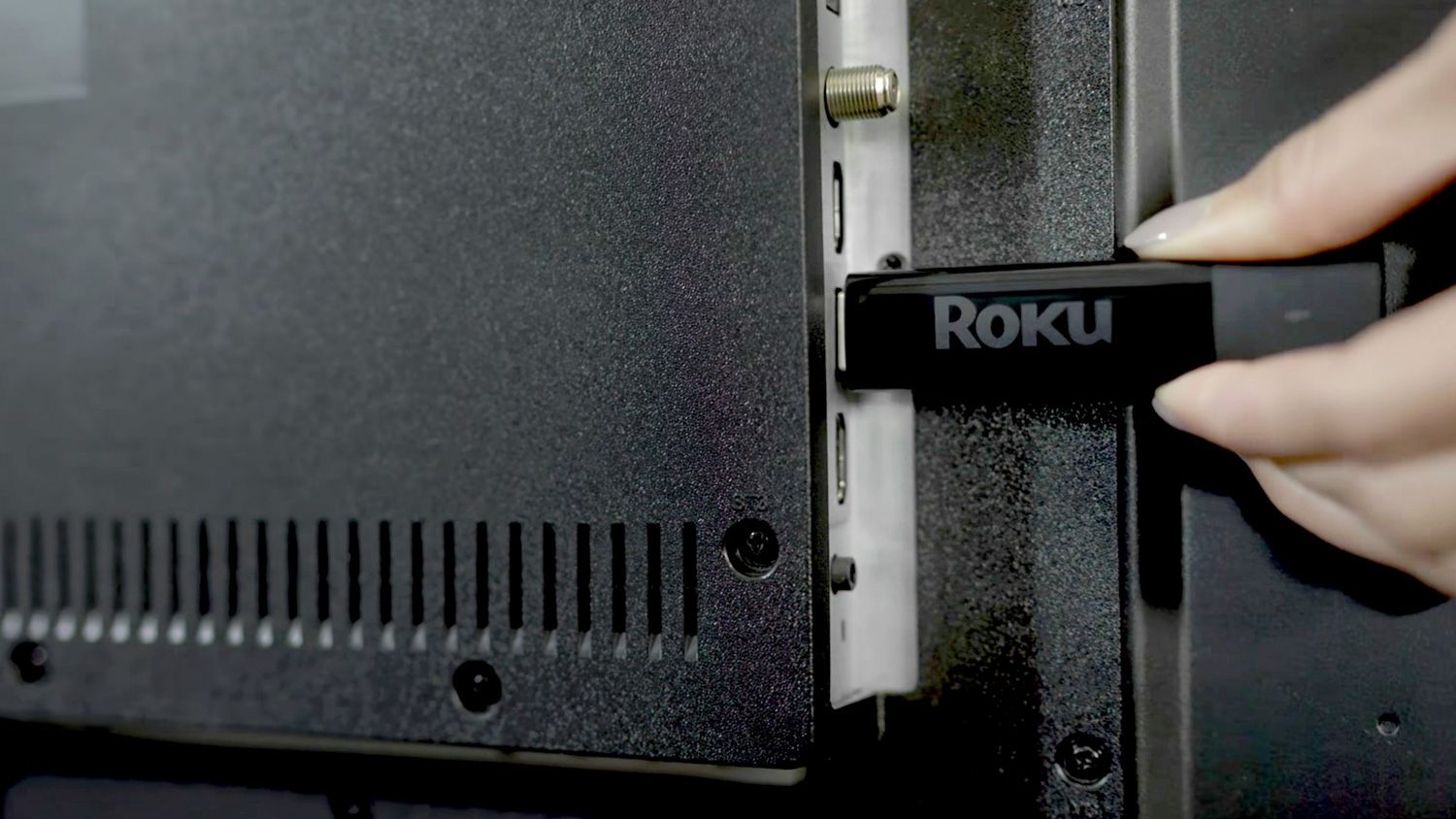
Roku is rolling out OS 15.2 to millions of TVs and streaming devices, with the update focused mainly on under-the-hood performance improvements such as smoother navigation, faster app launches, and better video playback. The release is gradual and may take up to a month to reach all devices, giving Roku time to monitor for issues. Sentiment is modestly positive on expected performance gains, though the timing is complicated by a class-action lawsuit over alleged update-related TV failures.
The near-term signal is not the cosmetic software refresh; it is the operating leverage from a lower support burden and a better upgrade cadence. For Roku, even modest improvements in launch latency and playback stability can reduce churn at the margin because the ecosystem is heavily habit-driven and users punish friction quickly. That matters more than incremental feature velocity: the company’s best outcome is not a splashy OS release, but fewer device-level complaints and a cleaner path to monetizing engaged viewing time.
The second-order read-through is to OEM partners and app developers. If the update materially improves memory efficiency, it lowers the cost of building for Roku’s fragmented hardware base, which can make the platform more attractive relative to other connected-TV environments where app quality degrades on older devices. That creates a subtle competitive wedge: better performance on low-end hardware expands the useful life of installed devices, potentially slowing replacement cycles but increasing ad inventory durability and engagement time across the base.
The legal backdrop is the real catalyst-risk stack. In the next few weeks, any wave of customer complaints around auto-updates could widen the narrative from “routine maintenance” to “trust event,” which is more damaging than a one-off technical bug because it can impair future opt-in behavior and retailer confidence. Conversely, if the rollout is uneventful over 30 days, the market may start to discount the lawsuit noise as non-investable and refocus on operating metrics heading into the next ad cycle.
Consensus is likely underestimating how little financial upside a successful OS update creates versus how much downside a failed one can inflict. This asymmetry makes the setup less about upside optionality and more about avoiding a reputational drawdown. For that reason, the stock can work even if the release is mundane, but only if the update passes without a visible spike in support issues or social amplification.
AI-powered research, real-time alerts, and portfolio analytics for institutional investors.
Request DemoOverall Sentiment
mildly positive
Sentiment Score
0.15
Ticker Sentiment
