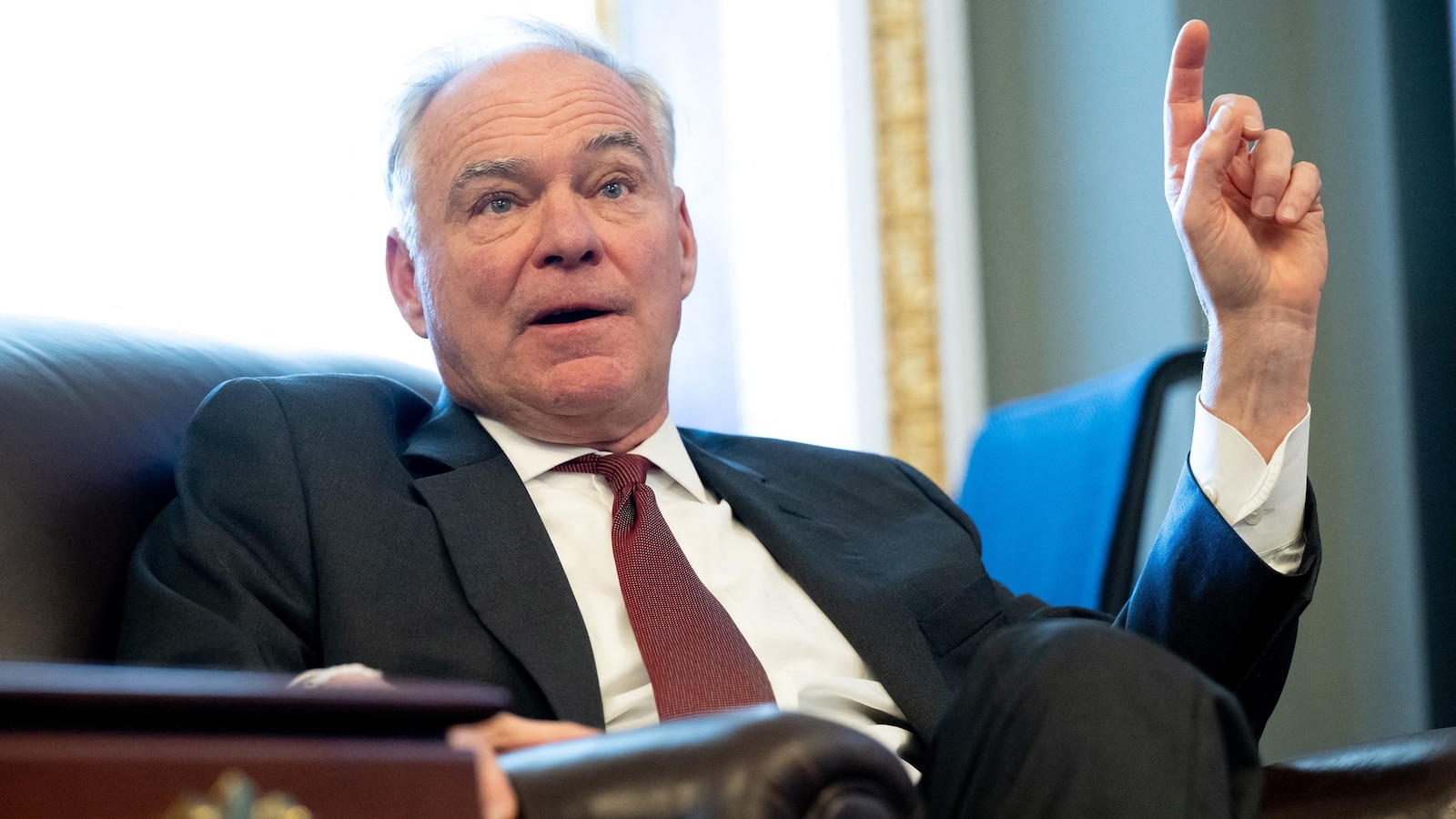
Sen. Tim Kaine said he will reintroduce a war powers resolution to block U.S. military action against Venezuela without congressional authorization after reports of an alleged Sept. 2 operation in the Caribbean in which survivors of an initial strike on a suspected drug-smuggling boat were subsequently killed. The Post report that a Pentagon-associated adviser allegedly ordered 'no survivors,' combined with at least 20 U.S. strikes since September that reportedly killed more than 80 people, has prompted bipartisan calls for vigorous oversight and raised questions of potential illegality or war crimes, while an earlier congressional resolution to restrict strikes failed 49-51.
Market structure: Short-term winners are large US defense primes (LMT, RTX, GD) and safe-haven assets (TLT, GLD) as headlines drive risk-off flows; energy majors (XOM, CVX) are conditional winners if escalation raises an oil risk premium. Losers include Latin-American sovereign assets and regional EM ETFs (ILF, EEM) plus insurers/reinsurers exposed to Caribbean shipping; implied volatility in energy and defense equities should rise 15–40% on headline spikes. Cross-asset: expect USD strength and a modest Treasury rally (2–5bp lower yields intraday) while Brent could move +$5–$20 on perceived escalation.
Risk assessment: Tail risks include full-scale intervention or expanded sanctions that could lift Brent by $15–25/barrel and trigger a regional EM sell-off (>10% index moves) — probability <20% over 3 months but high impact. Immediate (days): headline-driven ±5–10% equity moves and option vol jumps; short-term (30–90 days): Senate refile vote and oversight reports are binary catalysts; long-term (quarters): a sustained policy shift could lift US defense procurement by mid-single digits. Hidden dependencies: Venezuelan crude output is already constrained so initial supply shock may be muted, meaning market moves will be driven more by risk premium than physical shortages.
Trade implications: Tactical plays favor 3–6 month long exposure to large-cap defense (+2–4% positions) and 1–2% long energy call spreads to capture a geopolitically-driven oil bump; hedge with 1% tail protection via VIX/short-dated calls. Pair trades: long LMT/short ILF or EEM to capture relative safety vs regional downside; prefer large primes over small cap defense/subcontractors due to supply-chain and contract bid timing. Entry: act on 3–7% pullbacks in chosen names; exit/trim if defense names rally >15% or if a war powers resolution passes within 60 days.
Contrarian angles: Consensus overstates probability of sustained kinetic conflict — legal/political constraints and ongoing congressional oversight make full invasion unlikely (<20%), so defense names may be temporarily overbought. The unloved trade is long large-cap defense and short small-cap defense/specialty contractors (avoid single-mission suppliers) because primes convert headline-driven demand into revenue more reliably. Historical parallels (2014 Crimea headlines) show a 6–12 week headline premium that faded absent broad escalation, suggesting time-boxed exposures and disciplined stop-losses.
AI-powered research, real-time alerts, and portfolio analytics for institutional investors.
Request DemoOverall Sentiment
moderately negative
Sentiment Score
-0.45
