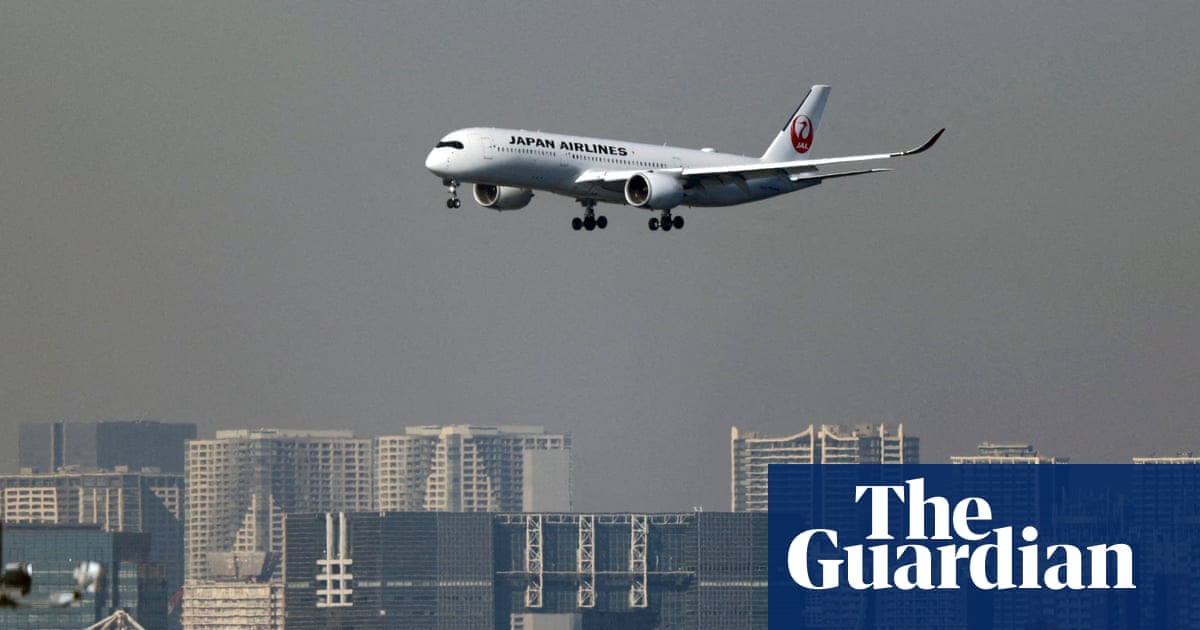
An estimated 500,000 China-to-Japan flight bookings were cancelled between Nov. 15–17 after Chinese state and private carriers (at least seven, including three state airlines) offered free cancellations and some travel agencies paused visa processing amid a diplomatic row triggered by Japanese PM Sanae Takaichi’s comments that Japan could intervene militarily if China attacked Taiwan; the dispute has already prompted cancelled cultural exchanges, postponed Japanese film screenings and a slump in Japanese retail and travel shares. Tokyo has dispatched senior foreign ministry official Masaaki Kanai to Beijing as business groups urged de‑escalation, while Beijing has signalled broader economic and reputational pressure — including warnings to Chinese travelers and students (Japan hosted roughly 120,000 Chinese students last year). The incident raises near‑term downside risk to Japan’s tourism and retail sectors and underscores the potential for geopolitical escalation that could affect regional supply chains and investor sentiment given the US‑Japan security linkage.
Chinese outbound travel to Japan has been materially disrupted: departure data cited by analyst Hanming Li indicate roughly 500,000 China-to-Japan flight cancellations between 15 and 17 November, at least seven carriers (including three state airlines) offered free cancellations, and some travel agencies have paused individual visa processing. Specific carrier actions include Sichuan Airlines cancelling Chengdu–Sapporo flights from January through late March and Spring Airlines cancelling multiple Japan routes, while reports of cancelled cultural exchanges and postponed Japanese film screenings (including reported box-office slumps for Demon Slayer: Infinity Castle) signal broader consumer resistance.
Market reaction has been immediate and sector-specific: Japanese retail and travel shares slumped on Monday, and industry groups led by Keidanren pressed Prime Minister Sanae Takaichi to de-escalate, arguing political stability is a prerequisite for commerce. Hanming Li characterized the episode as the largest mass flight cancellation since early Covid, but he also noted limited direct impact on China’s larger aviation market.
Geopolitical risk is elevated and unresolved: Takaichi’s comments that Japan could exercise self-defence if Taiwan were attacked—her refusal to retract them—and Tokyo’s dispatch of senior diplomat Masaaki Kanai to Beijing increase the likelihood of episodic economic countermeasures. The incident creates near-term downside risk to Japan’s tourism, education and consumer-discretionary receipts and introduces a persistent political overhang that could widen into supply-chain or bilateral trade actions if tensions persist.
AI-powered research, real-time alerts, and portfolio analytics for institutional investors.
Request DemoOverall Sentiment
moderately negative
Sentiment Score
-0.50
