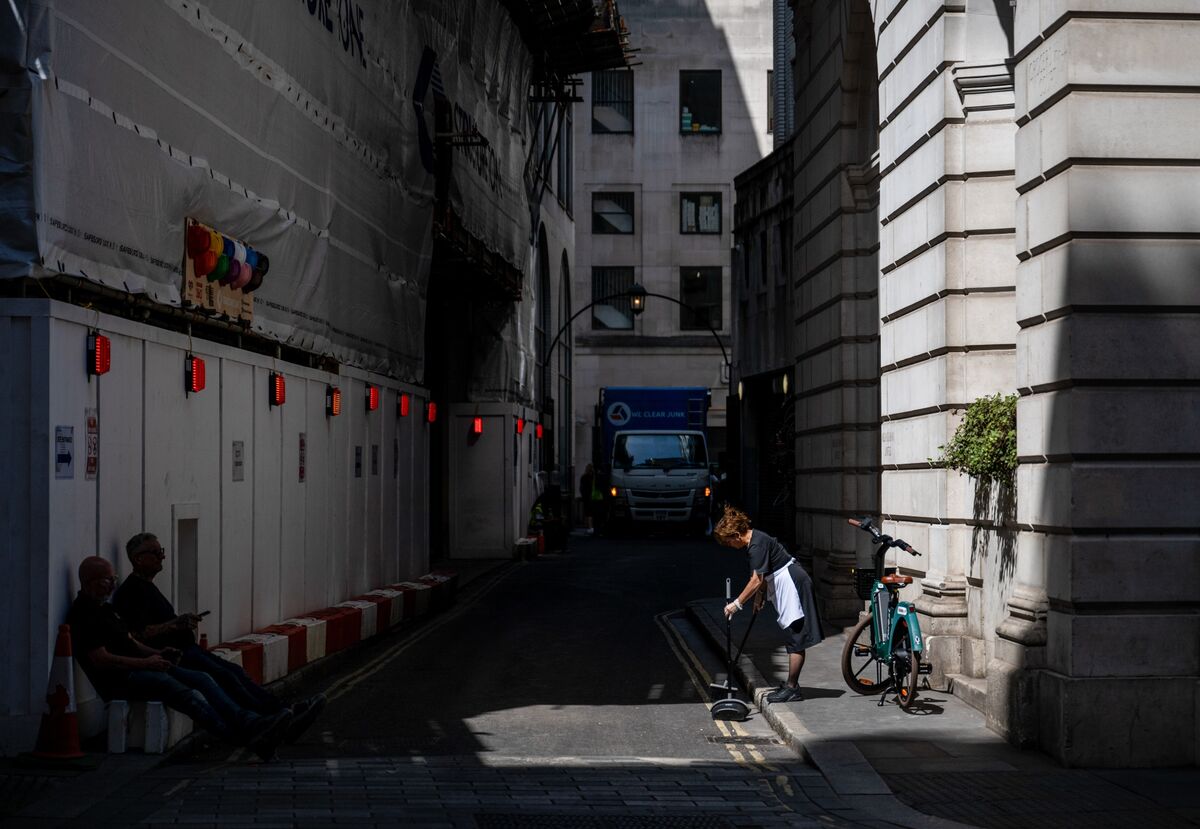
London says rising extreme heat is now a growing reality and will require significant spending, including help from private investors, to adapt the city. The article highlights a clear financial burden tied to climate resilience, but provides no specific budget figure, project cost, or immediate market catalyst. Overall impact is limited and mainly relevant for public-sector funding, infrastructure, and climate-related investment themes.
This is less a one-off municipal spending story than a capex repricing event for urban climate adaptation. The market underappreciates that heat resilience spending is sticky, multi-year, and front-loaded toward engineering services, grid hardening, cooling, and retrofit demand, which means private capital likely gets paid through regulated or quasi-regulated cash flows rather than pure growth optionality. The immediate beneficiaries are infrastructure owners/operators and asset managers with inflation-linked, fee-based return profiles; the losers are rate-sensitive public budgets, legacy building owners with deferred maintenance, and businesses exposed to downtime from worker productivity losses and transit disruption. Second-order effects matter more than the headline. If cities increasingly outsource adaptation, the financing burden shifts from taxpayers to users via higher utility charges, availability payments, and municipal-private partnership structures, which can widen the spread between well-capitalized incumbents and smaller contractors that lack balance-sheet capacity. Over months to years, this should support demand for power distribution upgrades, district cooling, data-center thermal management, and building materials tied to reflective surfaces and insulation; it is mildly negative for sectors with high indoor labor intensity and thin margins, especially retail, logistics, and hospitality in dense urban cores. The main catalyst path is not weather alone but policy: budgeting season, permitting, and procurement announcements over the next 3-12 months will determine whether this becomes a financing wave or just rhetoric. The key reversal would be a cooler summer or fiscal austerity that delays projects, but that only shifts timing because adaptation needs compound after each extreme event. Consensus likely still treats climate adaptation as a long-duration ESG theme; the underappreciated point is that it is becoming a near-term municipal credit and infrastructure spending theme with much clearer cash-flow beneficiaries. From a trading standpoint, this favors owning monetizable adaptation exposure rather than broad climate beta. The better setup is to buy firms with contracted revenue, backlog visibility, and inflation pass-through while fading high-opex urban consumer names that face indirect cost inflation and operational disruption. Any selloff in infrastructure or utilities on rate fears should be viewed as an entry point if the asset base is tied to regulated returns and capex recovery is explicit.
AI-powered research, real-time alerts, and portfolio analytics for institutional investors.
Request DemoOverall Sentiment
mildly negative
Sentiment Score
-0.25
