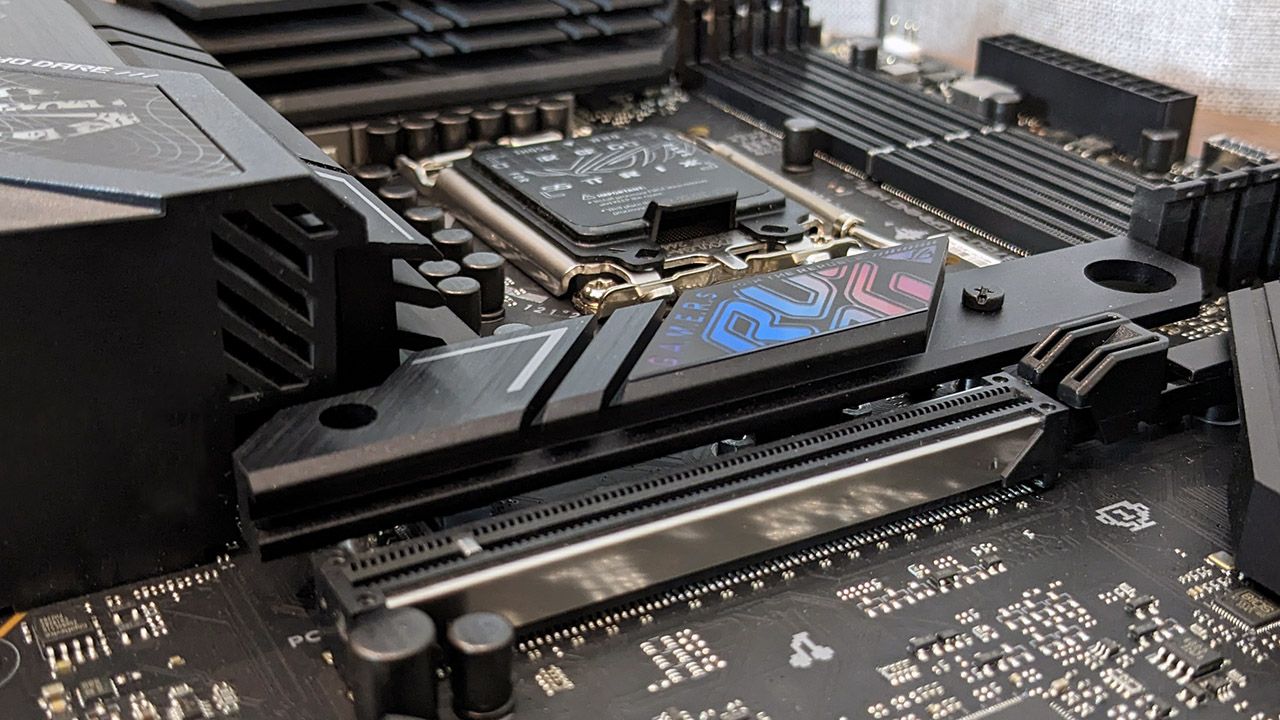
Asus has issued a security advisory and BIOS updates for numerous Intel‑chipset motherboards after discovering an IOMMU/DMA protection gap that can allow local attackers with a PCIe device to access system memory; the issue is assigned CVE with a severity of 7 (High). The vulnerability affects boards using Intel Z490, W480, B460, H410, Z590, B560, H510, Z690, B660, W680, Z790, B760 and W790 chipsets; mitigation requires users to download updated firmware and enable the BIOS setting 'IOMMU DMA Protection' to 'Enable with Full Protection.' Impact is operational and reputational for Asus with potential support and recall/patch roll‑out costs, but the flaw requires physical/local access so systemic market risk to Intel or PC supply chains is limited.
Market structure: This BIOS/IOMMU issue creates a small reputational hit concentrated on Intel-platform OEMs (Asus/TWSE:2357) and legacy Intel chipset lines; expect a 0–3% demand softening for affected consumer motherboards over 1–3 quarters as corporate buyers favor validated platforms. AMD (AMD) sees a marginal share/gain opportunity in marketing and RFPs but no immediate supply disruption; pricing power across CPUs/GPUs remains intact. Options IV on INTC may rise ~10–25% near-term around news and patch windows; little direct impact on sovereign bonds or commodities.
Risk assessment: Immediate risk is limited (local access required) but tail scenarios include public exploit code or supply-chain attacks leading to breaches and regulatory fines (FTC/EU) within 3–12 months; probability low (~5–10%) but impact high for affected OEMs. Hidden dependency: third-party PCIe cards and refurb/repair channels amplify risk—used-hardware markets could spread exploits. Key catalysts are published PoC exploit, large enterprise breach disclosure, or regulator enforcement actions.
Trade implications: Tactical trades favor buying asymmetric protection on INTC and modest long exposure to AMD and cybersecurity vendors. Implement defined-risk option shorts/hedges (45–75d put spreads) on INTC sized to 1–2% portfolio risk and allocate 1–3% long AMD (equity or 3–6 month calls) as relative value. Overweight PANW/FTNT (1–2% each) for firmware/endpoint spend lift over next 6–12 months.
Contrarian angles: Consensus will likely underprice legal/returns risk from forced BIOS updates and compatibility breakage—BIOS fixes could trigger higher RMA/return rates and warranty accruals for Asus and partners over 2–4 quarters. Conversely, the market may overreact to reputational headlines; if patch adoption >70% in 60 days, negative premium collapses and INTC mean-reverts. Historical parallel: this is more like firmware bugs (patchable) than Spectre-class systemic hardware flaws.
AI-powered research, real-time alerts, and portfolio analytics for institutional investors.
Request DemoOverall Sentiment
mildly negative
Sentiment Score
-0.28
Ticker Sentiment
