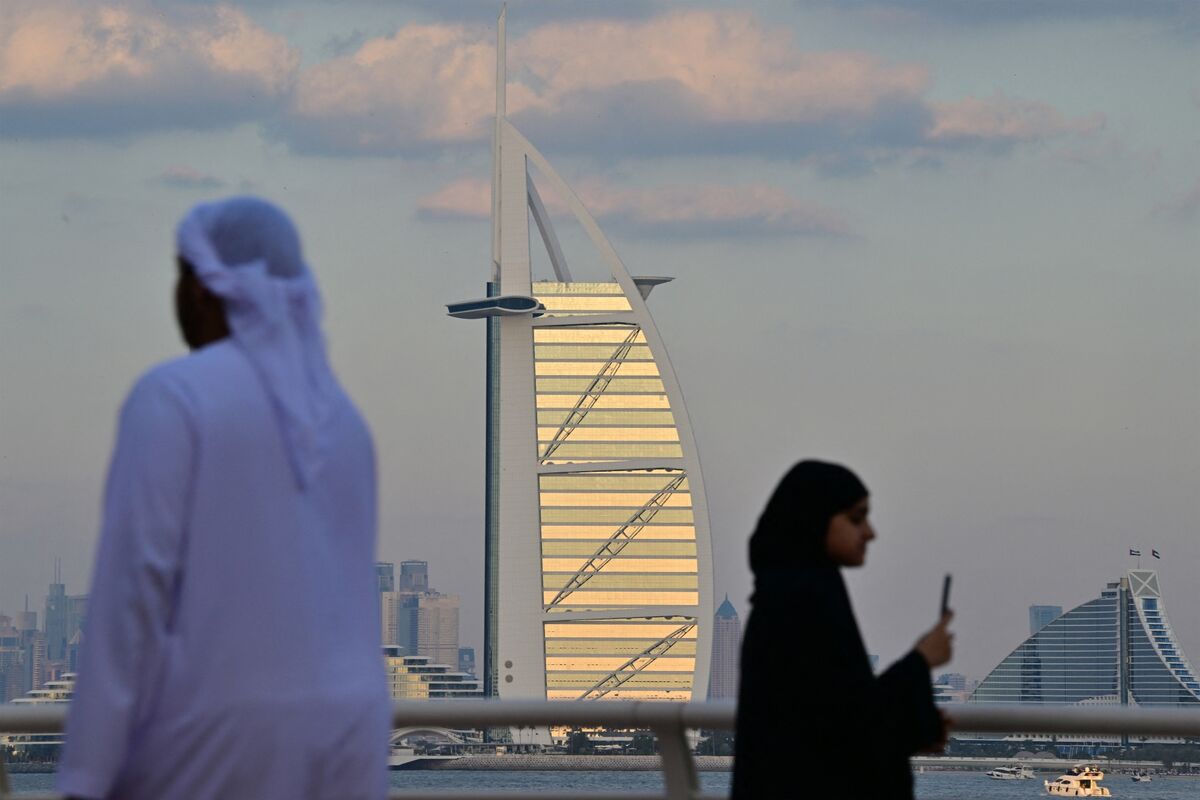
The United Arab Emirates, specifically Dubai and Abu Dhabi, has historically maintained its status as a capital haven amidst global and regional instability, successfully attracting funds during events like the Arab Spring, the pandemic, and the Ukraine war. However, the recent escalation of the Iran-Israel confrontation, which involves the U.S., presents the most significant test yet to the UAE's neutral and open-for-business policy, potentially challenging its long-standing reputation as a stable financial hub in a volatile region.
The United Arab Emirates, particularly its financial centers Dubai and Abu Dhabi, is confronting a significant test to its long-standing status as a regional safe haven for capital. Historically, the UAE has successfully leveraged its neutrality and open-for-business policies to attract substantial inflows during periods of global and regional instability, including the Arab Spring, the COVID-19 pandemic, and following Russia's invasion of Ukraine. However, the current direct confrontation between Iran and Israel, which also involves the United States, presents a more acute geopolitical risk than previous crises. This escalation directly challenges the sustainability of the UAE's neutral stance, which has been foundational to its appeal. The moderately negative sentiment and cautious tone associated with this development underscore the market's concern that this crisis could erode the confidence that has historically insulated the UAE from regional volatility.
AI-powered research, real-time alerts, and portfolio analytics for institutional investors.
Request DemoOverall Sentiment
moderately negative
Sentiment Score
-0.35
