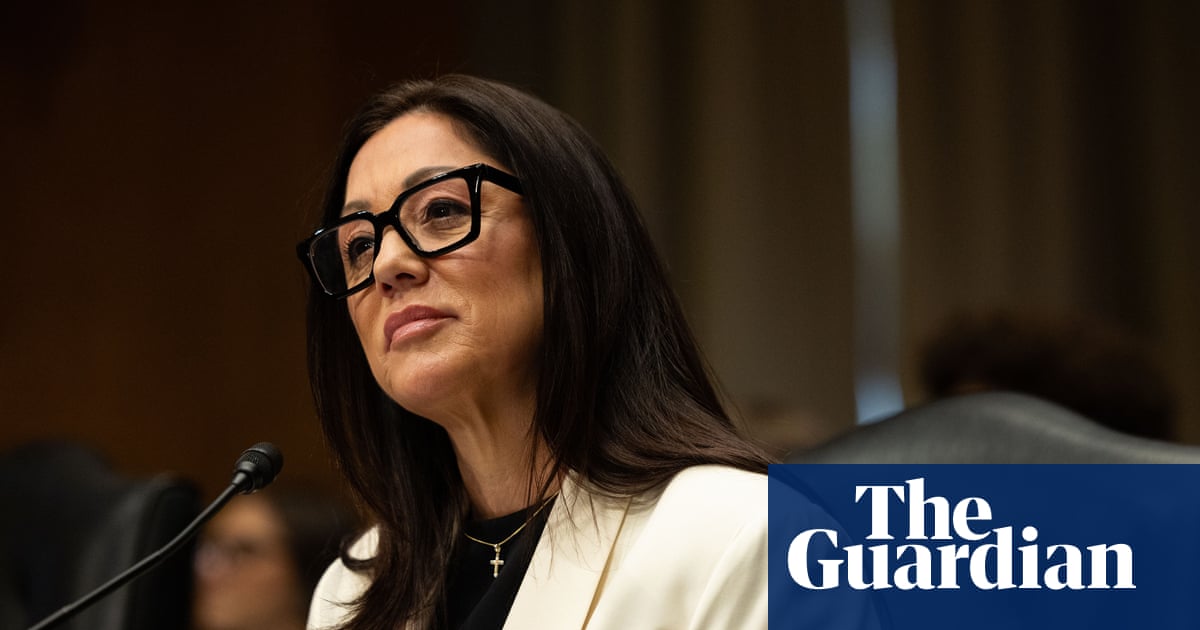
Labor Secretary Lori Chavez-DeRemer is stepping down and leaving the administration for the private sector, making her the third cabinet departure in Trump’s second term. Her exit follows inspector general scrutiny over alleged misconduct, civil rights complaints, and workplace controversy involving department leadership and staff. The news is politically relevant but likely has limited direct market impact beyond labor-policy uncertainty.
The market implication is less about one cabinet exit and more about what it says about policy continuity risk inside the labor/regulatory apparatus. In the near term, the highest-probability effect is a pause in agency initiative density: enforcement intensity, rulemaking cadence, and internal morale usually soften during leadership turnover, which can create a short-lived compliance reprieve for employers exposed to wage/hour, discrimination, and workplace-safety actions. Second-order, this is mildly supportive for industries with high labor sensitivity and elevated regulatory friction — logistics, retail, food service, homebuilders, and staffing — because even a 1-2 quarter slowdown in DOL aggressiveness can ease headline risk and legal spend. The flip side is that the vacancy raises the odds of a more ideologically aligned successor or an acting secretary who becomes a placeholder for a harder line, so any relief trade should be treated as tactical rather than structural. The bigger risk is that the public controversy around the departure amplifies congressional scrutiny of the department and drags on confirmation bandwidth, which can delay other labor-related actions and prolong uncertainty. If the administration uses this as a reset to install a cleaner operator with stronger process discipline, the eventual outcome could be more efficient enforcement rather than weaker enforcement, which would reverse the current softening effect over a 3-6 month horizon. The contrarian view is that the market may overestimate the economic relevance of the personnel change while underpricing the reputational and legal cleanup phase. For NYT specifically, the story is modestly supportive on engagement because it sits at the intersection of governance, politics, and litigation, but the direct earnings impact is likely negligible unless the controversy broadens into a wider administrative scandal that sustains attention for weeks rather than days.
AI-powered research, real-time alerts, and portfolio analytics for institutional investors.
Request DemoOverall Sentiment
mildly negative
Sentiment Score
-0.25
Ticker Sentiment
