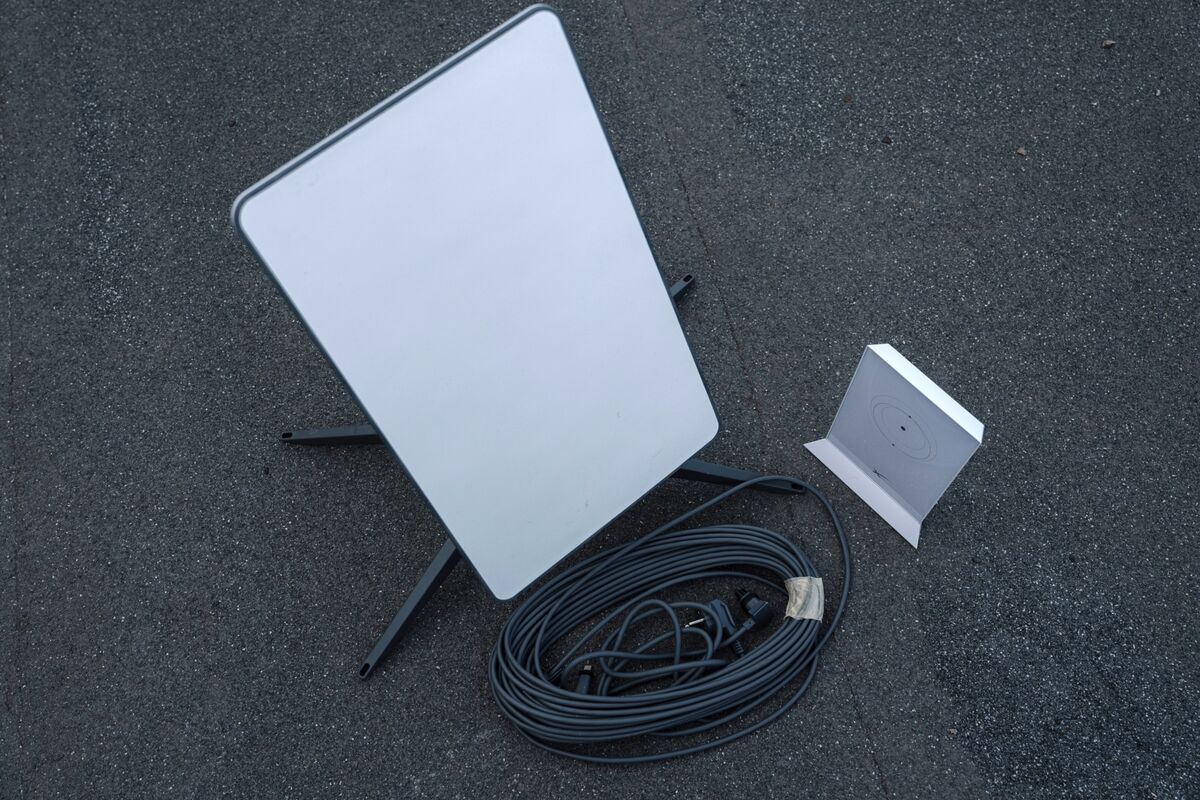
Namibia's Communications Regulatory Authority declined Starlink's applications for a telecommunications service license and access to radio spectrum, effectively blocking the company's planned nationwide satellite internet rollout. The regulator published the decision in a government notice, leaving Starlink without authorization to enter the Namibian market and preserving the status quo for local incumbents.
Regulatory resistance to satellite ISPs in a single African market is small in isolation but disproportionately informative as a precedent: it raises the probability that other African regulators will extract tougher market-access terms (local partnerships, revenue shares, data localization) rather than open-ended foreign-entry. That outcome shifts value from new entrant CAPEX to incumbent asset owners — towers, fiber backhaul and licensed MNOs — because the cheapest path to expand capacity becomes augmenting terrestrial infrastructure rather than relying on unrestricted LEO overlay.
Near term (days–months) expect re-rating in regional towerco and incumbent telco valuations as optional competitive pressure is removed; medium term (6–24 months) look for higher announced capex plans from MNOs to extend reach into underserved areas and to beef up backhaul, which benefits tower tenancy and fiber installers. Tail risks that could reverse this are headline-driven: successful legal appeals, diplomatic pressure or a rapid Starlink pivot into a local JV model — any of which could restore the threat within 3–18 months and compress the incumbents’ upside.
The consensus is treating this as a permanent win for incumbents; that underestimates the political-economy cost. Persistent protectionism raises sovereign and policy risk, which can widen domestic borrowing spreads and deter long-cycle investments (fiber, data centers) — a negative that can offset a portion of the incumbents’ near-term gains and should be hedged when taking positions.
AI-powered research, real-time alerts, and portfolio analytics for institutional investors.
Request DemoOverall Sentiment
neutral
Sentiment Score
0.00
