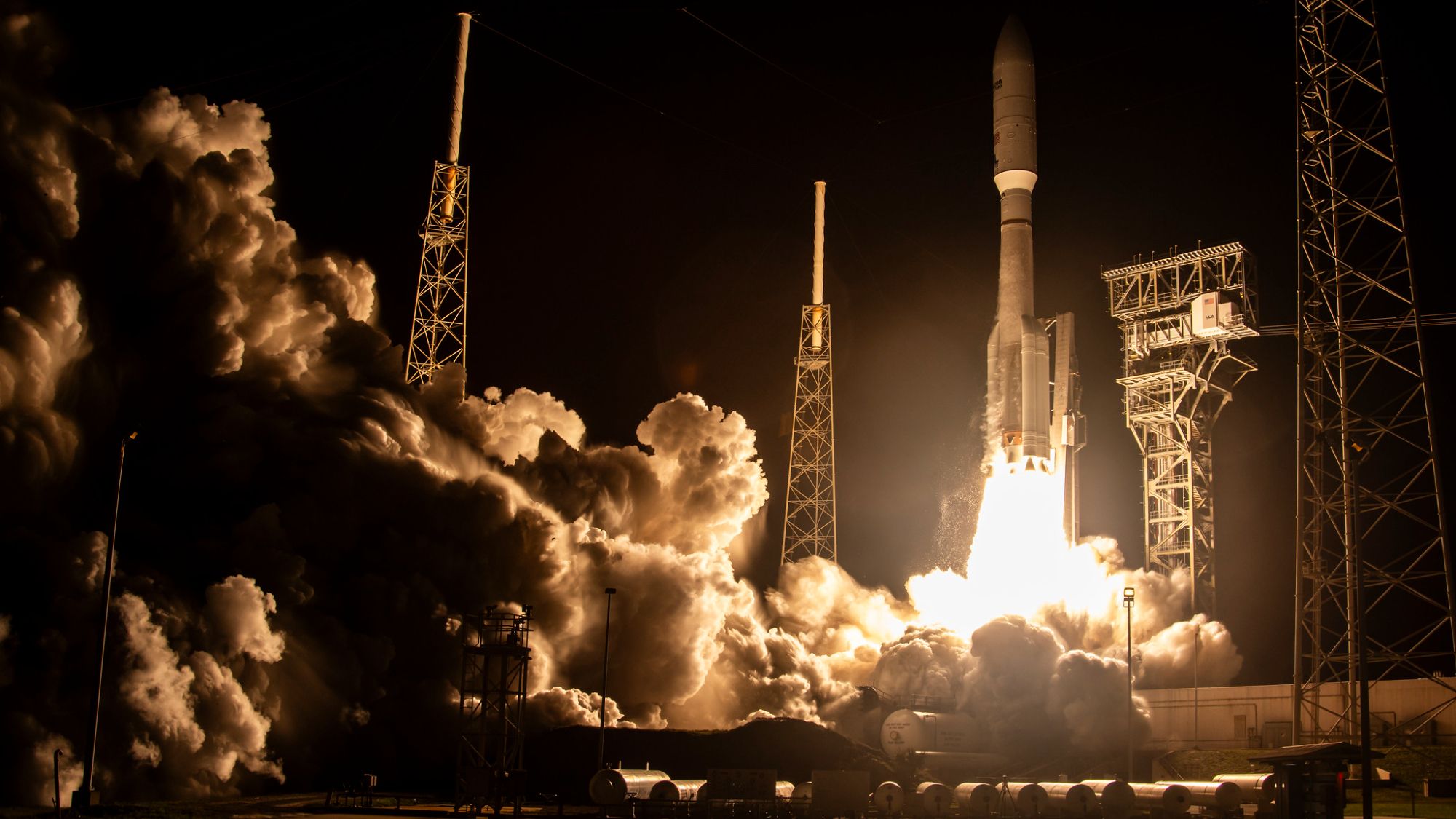
A new arXiv study analyzing nearly 2,000 observations finds Amazon's Leo internet-beaming satellites (orbiting ~391 miles / 630 km) have an average apparent magnitude of 6.28 and exceeded International Astronomical Union recommended brightness limits, with roughly 25% of sightings bright enough to be observable without telescopes. So far Amazon has launched ~180 satellites toward a planned ~3,200, and further planned lower-altitude units (~366 miles / 590 km) would increase reflectivity; the report highlights potential interference with major ground- and space-based observatories and notes Amazon is working with astronomers on mitigation measures, implying reputational and potential compliance/mitigation cost considerations for investors rather than immediate market-moving financial effects.
Market structure: Brightness findings shift winners toward deep-pocketed incumbents and mitigation vendors and hurt small, antenna-heavy players. Amazon (AMZN) faces reputational/regulatory friction but its Kuiper unit is a small fraction of revenue; AST SpaceMobile (ASTS) is a direct loser given antenna-driven brightness and higher probability of launch/permit delays. OneWeb-like higher-altitude operators gain a marketing edge; large incumbents (SpaceX) benefit if tighter rules raise barriers to entry.
Risk assessment: Tail risks include regulatory action (FCC/ITU restrictions, national observatory injunctions) or class-action litigation that could delay deployments and force redesigns, with loss of revenue and higher capex for smaller operators. Immediate (days–weeks): headlines and NGO/IAU pressure; short-term (3–6 months): permit delays and design changes; long-term (12–36 months): altered business plans raising unit costs by an estimated mid-single-digit to low-double-digit percentage. Hidden dependencies: insurance pricing, launch cadence, and supplier lead times could amplify losses.
Trade implications: Favor defensive tilt to large-cap cloud/tech (AMZN) and selective shorts or option hedges on small-cap satellite firms (ASTS). Direct plays: prefer long AMZN exposure (1–2% portfolio) because mitigation costs are manageable and valuation resilient; short ASTS via 3–6 month puts or outright position sized 0.5–1% of portfolio. Cross-asset: expect widening credit spreads for small-space names; buy protection on subordinated debt of exposed issuers if available.
Contrarian angles: Consensus may overestimate systemic damage—historical parallel: Starlink concerns produced headlines but did not derail growth once mitigation measures were implemented. If regulators impose technical (not wholesale) fixes, incumbents with cash (AMZN/SpaceX) gain share as smaller competitors face higher marginal costs, arguing for long incumbents/short small operators. Key catalysts to watch: FCC filings, IAU reports, Vera Rubin observations in next 30–90 days.
AI-powered research, real-time alerts, and portfolio analytics for institutional investors.
Request DemoOverall Sentiment
mildly negative
Sentiment Score
-0.25
Ticker Sentiment
