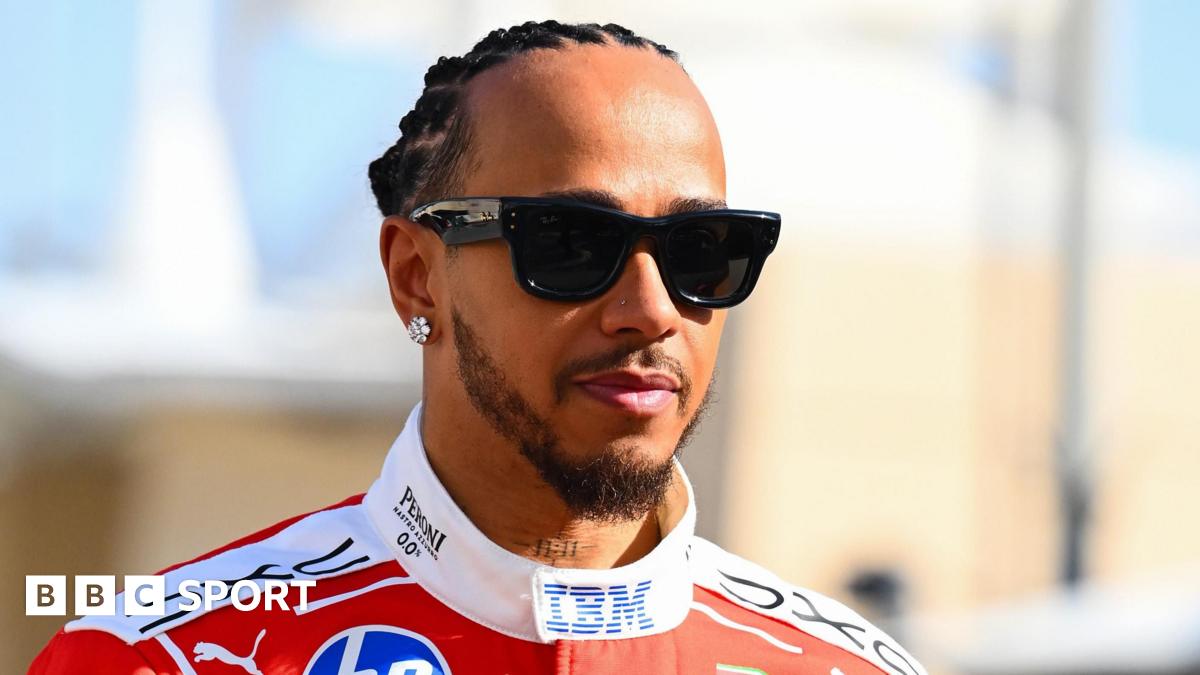
Lewis Hamilton criticized this season's revamped F1 technical rules as 'ridiculously complex', highlighting near 50/50 internal combustion/electric power split that forces heavy energy-management tactics (lift-and-coast, regenerative braking, part-throttle overload, and a 'superclip') and changes to driving and strategy that may affect racing spectacle and team performance. The piece also notes Hamilton will start the season with a temporary race engineer, Carlo Santi, while Ferrari searches for a permanent replacement after a winless 24-race 2025 campaign—an operational uncertainty with potential implications for Ferrari's competitive prospects and related commercial value.
Market structure: The new F1 powertrain rules reallocate value toward power-electronics, battery and control-software suppliers and away from pure ICE optimization — winners include power-semi and high-performance battery suppliers (benefit magnitude: potential 3–7% incremental revenue for suppliers exposed to motorsport tech licensing over 12–24 months). RACE faces higher technical risk and short-term competitiveness pressure (podium probability could fall ~10–20% vs. prior year until setup learning curve is closed), which compresses sponsorship and merchandise sentiment if on-track results lag.
Risk assessment: Tail risks include a regulatory U-turn (FIA technical directive) that could strand development spend, or an operational failure (battery/ECU faults) leading to multiple DNFs and reputational damage; both could knock RACE equity by 15–30% in a stressed 1–3 month window. Near-term (days–weeks) volatility will concentrate around pre-season tests and first 3 races; medium-term (3–12 months) outcome hinges on engineering hires and supply contracts; long-term (1–3 years) winners are firms commercializing hybrid recovery tech for road EVs.
Trade implications: Direct plays: short RACE tactically if Ferrari fails to podium in first 3 races or if shares fall >5% after Bahrain testing; hedge using 3-month 10% OTM puts sized to 0.5–1% portfolio risk. Long selective suppliers: consider adding STM (power semis) or other power-electronics leaders with 12–24 month upside; target 1–2% position sizes and hold 6–12 months. Media/rights: avoid long FWONK exposure tied to fan engagement until viewership stabilizes post-rule acceptance (3–6 months).
Contrarian angles: Consensus focuses on fan unhappiness and abrupt tech risk, but underappreciated is tech transfer to road EVs — a well-executed Ferrari R&D pivot could monetize IP and offset racing misses (re-rate potential +10–20% over 12–24 months). Reaction may be overdone short-term: if teams climb the learning curve within 3 races, RACE downside will be limited; structure trades with tight stop-losses and catalyst-based scaling (increase exposure only after two consecutive poor race results).
AI-powered research, real-time alerts, and portfolio analytics for institutional investors.
Request DemoOverall Sentiment
mildly negative
Sentiment Score
-0.25
Ticker Sentiment
