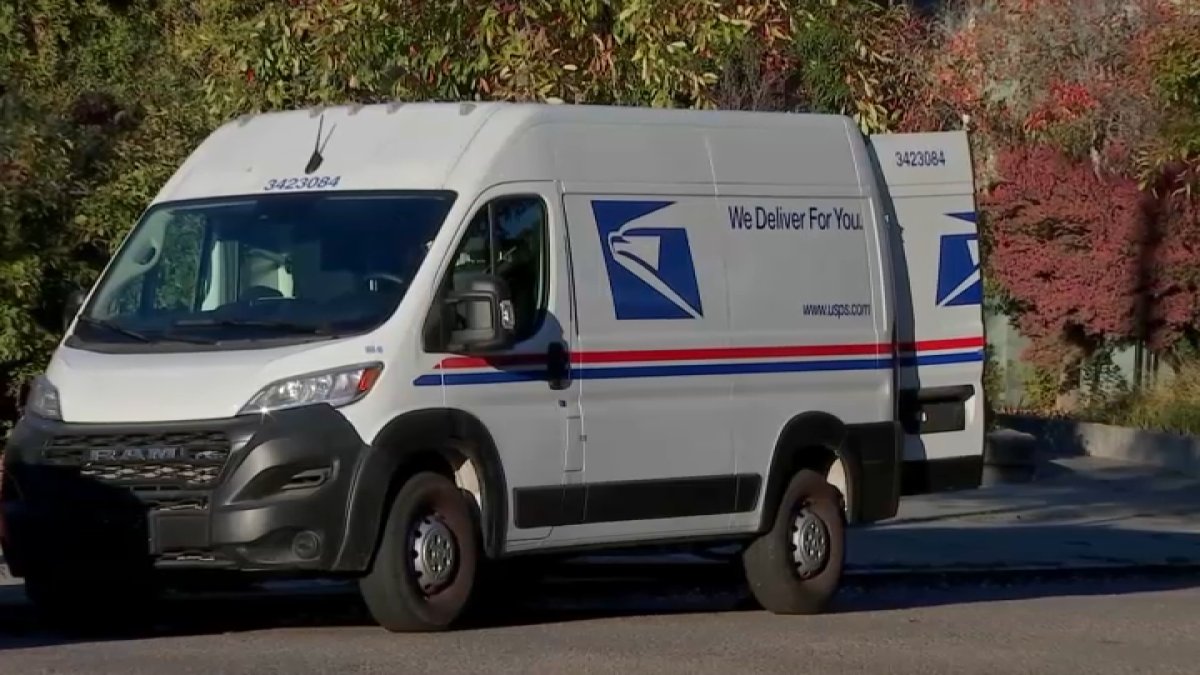
USPS announced an 8% temporary surcharge on select shipping services effective April 26 through January 17, 2027, pending approval by the Postal Regulatory Commission. Affected services include Priority Mail Express (from $33.25), Priority Mail (from $10.20), USPS Ground Advantage (from $7.30) and Parcel Select; the increase is attributed to rising transportation/gas costs exacerbated by the war with Iran. The agency said it will re-evaluate finances at the end of the surcharge period, and Postmaster General David Steiner has warned the USPS could run out of cash by year-end without Congressional intervention.
A change in public-sector parcel pricing acts as a visible, regulatory-backed reference rate that private carriers will use to fortify yields without losing price-competitiveness. That reference effect makes it easier for UPS and FedEx to push through multi-point yield improvements across B2B and e-commerce lanes, because businesses compare against a government benchmark when negotiating contracts and surcharges. Expect private carriage yield improvement to flow 60–80% to EBITDA in the first 3–12 months as fuel passthroughs and operational leverage kick in.
Second-order winners include freight brokers and multi-modal integrators (who capture spreads when shippers re-optimize routes) while small merchants and last-mile contractors are the most exposed to margin squeeze — this should accelerate consolidation among regional carriers and increase demand for outsourced fulfillment services from 3PLs. If fuel prices continue to trend higher due to geopolitical risk, the magnitude of negotiated rate increases will widen; conversely, any rapid drop in diesel would compress the newly widened spreads and expose carriers that delayed hedging.
Key near-term catalysts to monitor are regulatory approvals, Congressional liquidity interventions, and the upcoming retail holiday season; each has asymmetric impact on volumes and ability to pass costs through. Tail risks: a Congressional mandate reversing price moves or a coordinated private-sector discounting war would sharply reduce carrier upside; medium-term structural risk is Amazon further insourcing low-margin parcel flows, which would shave the upside by ~20–30% versus baseline expectations over 12–36 months.
AI-powered research, real-time alerts, and portfolio analytics for institutional investors.
Request DemoOverall Sentiment
moderately negative
Sentiment Score
-0.40
