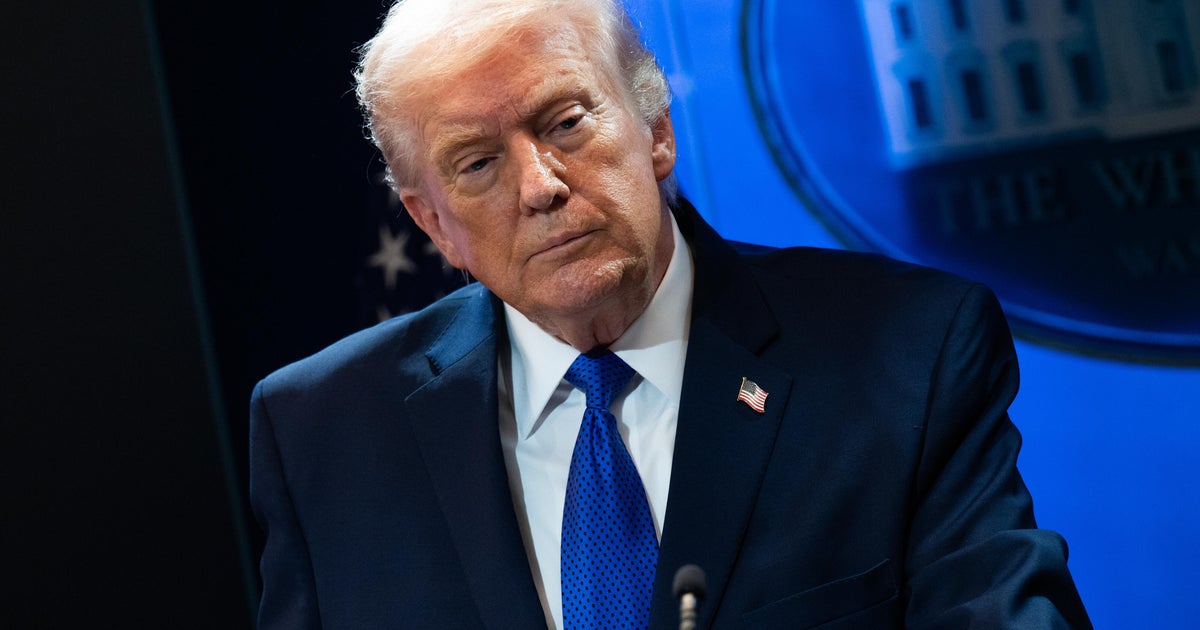
A U.S. airman rescued after an F-15E was downed in Iran involved a complex recovery using more than 150 planes and over 200 munitions; President Trump will hold a press conference April 6, 2026 at 1 p.m. ET. Trump issued explicit threats to destroy Iranian power plants and bridges if the Strait of Hormuz is not reopened, extending a deadline to Tuesday 8 p.m. ET, while also weighing a Pakistani 45-day ceasefire proposal. Elevated risk of major escalation creates meaningful downside risk for energy markets (Strait of Hormuz transit) and broader risk-off moves across markets.
Hawkish executive signaling raises near-term risk premia in energy and shipping markets through two mechanisms: immediate insurance/war-risk repricing and an acceleration of physical rerouting around any threatened chokepoints. A 5–20% lift in war-risk premiums typically translates into a $3–$15/bl effective increase in spot freight-adjusted crude costs within days; the freight component alone can add 5–10% to delivered barrel cost if ships are forced to take longer rounds.
Second-order beneficiaries are owners of scarce transport capacity (clean product and VLCC tonnage), insurers/reinsurers who can reprice policies quickly, and liquid US E&P producers with low marginal lifting costs that convert price moves to free cash flow in 1–3 quarters. Conversely, refiners with slim light-heavy differentials and airlines/transporters with unhedged fuel exposure face negative margin compression — these P&L impacts show up within one quarter and can persist if premium levels remain elevated.
Key catalysts and time horizons: market shocks in days (headline-driven spikes around diplomatic milestones or deadlines), tactical adjustments over weeks (insurance and charter markets rebalancing), and structural effects over months if repair/retaliation damages regional infrastructure — the latter raises capex and substitution spending in energy logistics and hardens long-term sourcing decisions. Reversion scenarios include credible diplomatic offramps, emergency SPR releases or third-party production ramping that can shave $5–$20/bl off the spike within 30–90 days.
Position sizing should treat these as event-driven trades with asymmetric payoffs: short-lived price shocks favor options and short-duration instruments; sustained disruption favors cash exposure to producers and hard-asset owners of transport capacity. Prepare stop-loss triggers keyed to diplomatic progress metrics rather than price alone to avoid whipsaw in a news-driven tape.
AI-powered research, real-time alerts, and portfolio analytics for institutional investors.
Request DemoOverall Sentiment
strongly negative
Sentiment Score
-0.75
