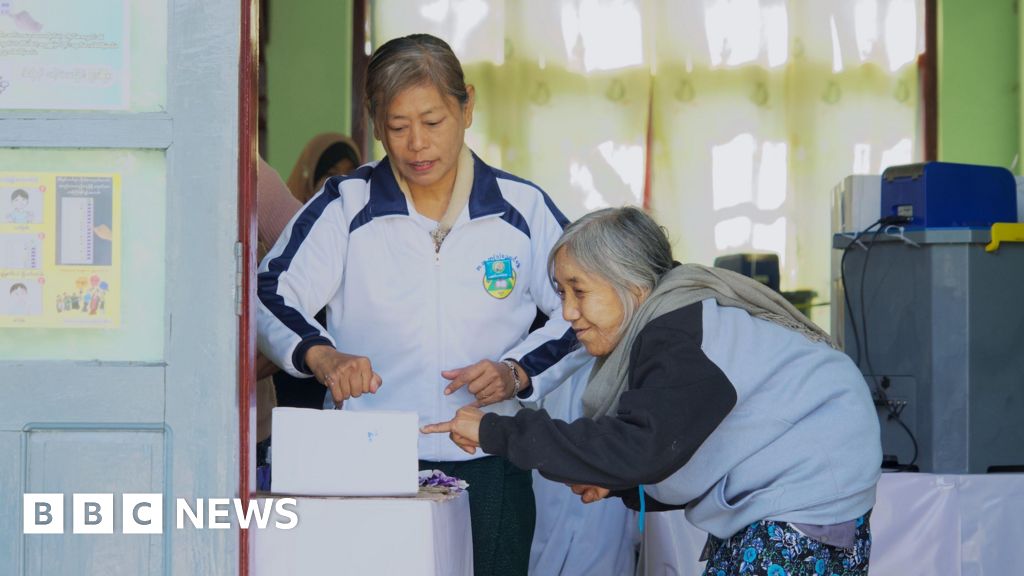
Myanmar completed a three-stage election widely described as a sham, with the military-backed Union Solidarity and Development Party (USDP) set for a landslide after earlier rounds gave it overwhelming victories and many popular parties were barred from running. Around one-fifth of the country's 330 townships voted in the final stage amid a five-year civil war; under the military-drafted constitution parliament will select a new president—likely coup leader Gen Min Aung Hlaing—entrenching junta control despite international criticism, funding cuts and ongoing conflict that has killed thousands, displaced millions, devastated the economy and been exacerbated by a March earthquake.
Market structure: The junta victory consolidates control of Myanmar’s economy into military-linked SOEs and firms aligned with China/Russia, shrinking private-sector freedom and foreign direct investment. Immediate winners (Chinese builders, Russian/Chinese defense suppliers, regional border traders) will gain pricing power locally, while Myanmar-facing supply chains (garments, tourism, onshore gas exporters) will see volumes fall 20–50% over 3–12 months. FX and sovereign risk will drive MMK weakness and sovereign CDS spreads materially wider vs. ASEAN peers.
Risk assessment: Tail risks include full-state collapse, broad Western sanctions cutting off energy and banking links, or a China-led reconstruction scenario; probability in next 12 months ~15–25%, impact high. Near-term (days–weeks) expect market risk-off in regional EM; short-term (months) commodity/energy disruptions and refugee spillovers; long-term (years) persistent higher political premia and constrained GDP (−5–15% vs pre-coup baseline). Hidden dependency: China/Russia military/financial support can mute Western sanctions but increases geopolitical entanglement and conditional investment flows.
Trade implications: Position for EM risk repricing and regional winners/losers: underweight direct Myanmar exposure and frontier EM FX; overweight regional beneficiaries of supply-chain relocation (Vietnam) and Western defense contractors that win ASEAN spending. Cross-asset: expect +50–150bp widening in ASEAN sovereign spreads in stress, gold appreciation, and USD strength; use FX forwards and CDS where liquid to express views.
Contrarian angle: Consensus prices perpetual isolation; missing is the binary upside if China brokers stabilization—reconstruction contracts (ports, power, telecom) could rerate selective Asian contractors and Chinese SOEs within 6–18 months, producing 30–80% returns from depressed levels. Risk/reward favors small, conditional, event-driven allocations (0.5–2%), not broad market bets; volatility makes options cost-effective for these asymmetric plays.
AI-powered research, real-time alerts, and portfolio analytics for institutional investors.
Request DemoOverall Sentiment
strongly negative
Sentiment Score
-0.60
