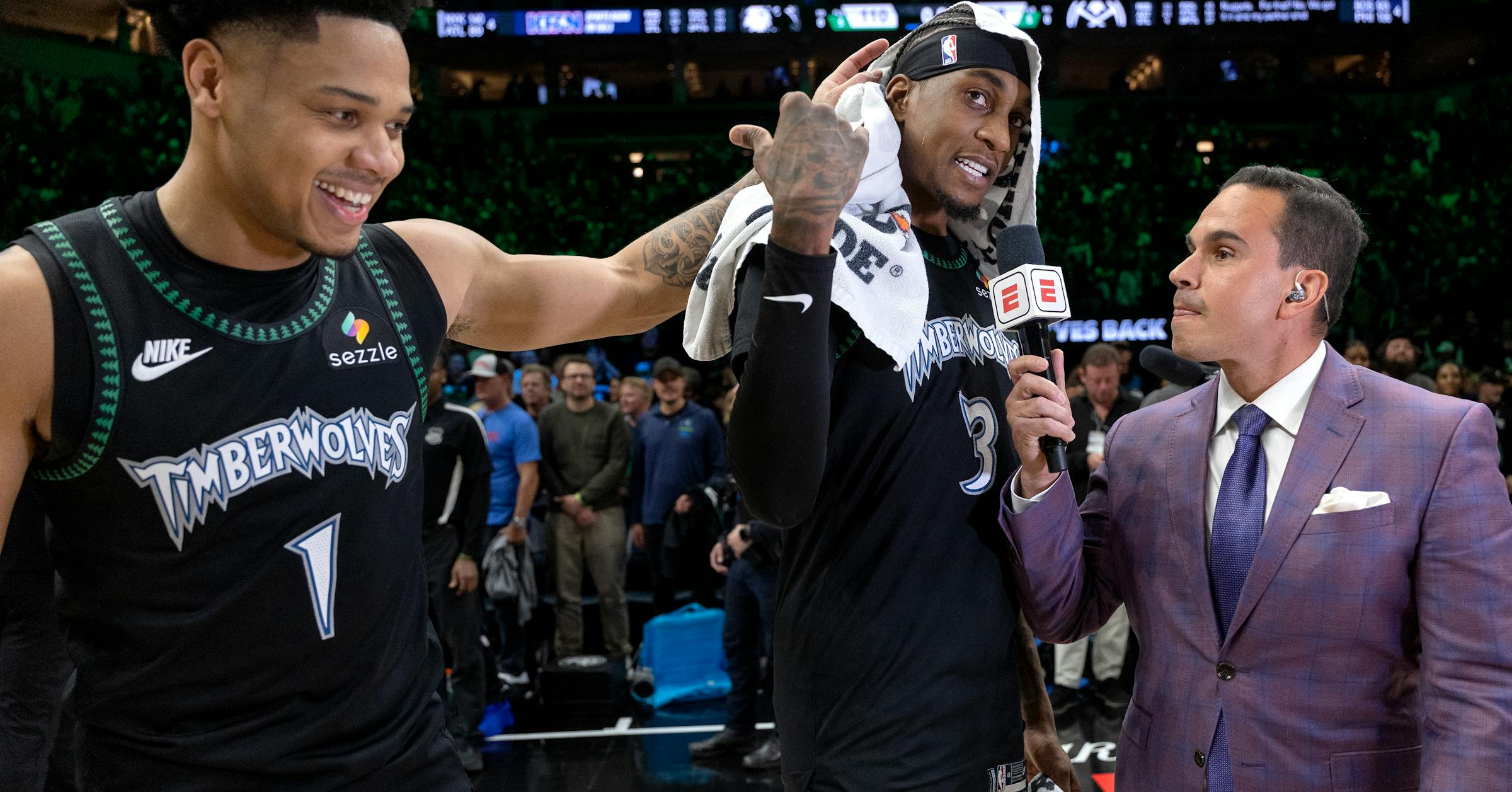
The article frames the Timberwolves-Spurs second-round series as a defense-first matchup, with Minnesota likely getting Anthony Edwards back early, possibly in Game 1. San Antonio is described as the NBA’s third-best offense this season and features Victor Wembanyama plus three high-usage guards, while Minnesota’s defensive challenge is to slow a much faster team than Denver. The piece is primarily game analysis and scouting commentary, with no direct market-moving financial content.
The market is likely underappreciating how much playoff volatility increases when a defense-first underdog can suppress pace and turn every half-court possession into a possession tax. In that environment, the favorite’s offensive quality matters less than the underdog’s ability to keep the game inside a narrow scoring band; that creates real value in low-total, live-betting, and series price structures where the favorite is priced as if talent alone will eventually separate. The key second-order effect is that a high-end defensive game plan can compress variance enough to make a weaker team viable over a 48-minute sample, especially when the opponent is still unproven under postseason pressure. The biggest misread is likely around who can actually punish the Wolves’ scheme. Against Denver, the limiting factor was one elite creation hub; here, the presence of multiple guard initiators plus a rim-anchor changes the shape of the problem and reduces the payoff from loading up on one option. That means the Wolves’ path is narrower and more execution-sensitive: if they miss coverages, the penalty is immediate, but if they execute, the Spurs may need more than just star talent to consistently generate efficient offense in crunch time. From a trading perspective, this is a classic “higher game count, lower certainty” setup. If the underdog steals one of the first two games, series pricing can move sharply because the market will quickly reprice the favorite’s advance probability while still underestimating the underdog’s ability to continue shrinking possessions. The contrarian view is that the market may be too focused on playoff inexperience and not enough on the fact that fast, multi-creator teams are often more difficult to scheme against than one primary creator, which could make the favorite’s offense more resilient than the headline matchup suggests.
AI-powered research, real-time alerts, and portfolio analytics for institutional investors.
Request DemoOverall Sentiment
neutral
Sentiment Score
0.00
