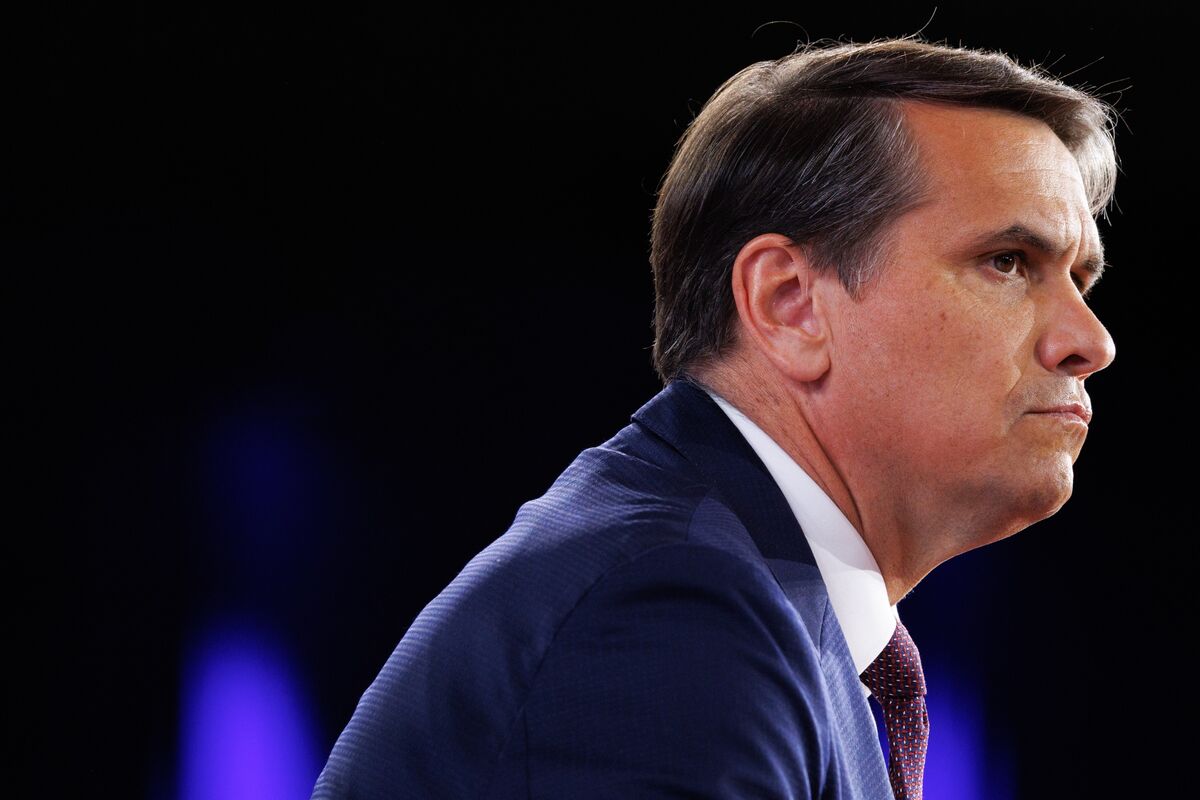
President Trump is delaying the appointment of a permanent U.S. attorney general, keeping Todd Blanche as acting DOJ chief after removing Pam Bondi last week. Bondi's ouster followed presidential frustration over prosecutorial missteps in politically sensitive cases and her handling of files related to Jeffrey Epstein, raising uncertainty around DOJ leadership and potential legal-political risks.
An extended interim leadership window at the DOJ tends to produce policy inertia: career prosecutors avoid headline-making moves, referral & escalation pipelines slow, and discretionary uses of scarce prosecutorial resources are deferred. For markets that rely on timely enforcement outcomes (large M&A clearances, antitrust actions, high-profile corporate investigations), this can translate into delays of 30–90 days for case initiation or resolution and higher uncertainty around timing rather than immediate changes in outcomes.
Second-order winners are vendors and intermediaries that monetize regulatory uncertainty — litigation finance firms, legal-research/compliance SaaS and specialist investigators — which can see deal flow and spend lift as companies buy protection or funding to bridge protracted disputes. Conversely, bidders in time-sensitive M&A processes and corporates seeking quick resolution of DOJ-related risk bear economic pain: financing windows can be missed, break fees activated, and earnouts re-priced, meaning real economic value can be eroded within a single quarter.
Tail risks are headline-driven and fast: a sudden high-profile indictment, a leak revealing internal malpractice, or the confirmation of a highly activist permanent AG would flip the regime from inertia to acceleration; those shocks can compress or expand sector risk premia within days. Over months, the key catalyst is nomination and confirmation activity — a partisan confirmation fight or a compromise candidate will materially change enforcement posture, so the relevant horizon for positioning is weeks→months, not years.
Practical implication for portfolio construction is asymmetric: hedge near-term headline risk while selectively adding exposure to businesses that capture enforcement-driven spend. The highest information edge is timing — position for volatility spikes around likely news windows (filings, hearings, indictments), and scale out once a nominee process becomes visible or a special-counsel-style appointment removes ambiguity.
AI-powered research, real-time alerts, and portfolio analytics for institutional investors.
Request DemoOverall Sentiment
neutral
Sentiment Score
0.00
