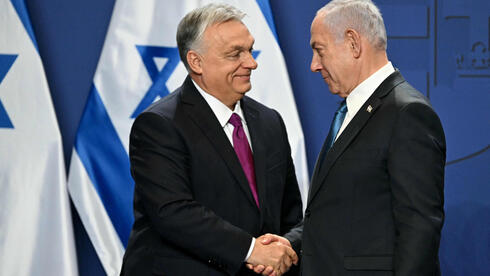
Hungary offered to share intelligence with Iran following a deadly 2024 explosion of Hezbollah communication devices that killed 12 people and wounded about 2,800, according to an authenticated Sept. 30, 2024 phone transcript between Hungarian FM Peter Szijjarto and Iranian FM Abbas Araghchi. The disclosure—plus links to a Hungarian firm licensing the devices and Hungary's ties with Russia and political alignment with Donald Trump’s movement—raises reputational and geopolitical risk and questions about Budapest's consistency in publicly supporting Israel. Expect increased diplomatic scrutiny and potential political fallout rather than immediate market-moving effects.
This episode functions less as a single diplomatic gaffe and more as a revealed capability vector: states that position themselves as intermediaries can become focal points for intelligence-sharing flows and, importantly, for attribution ambiguity. Expect Hungarian sovereign risk to reprice in two waves — an immediate knee-jerk leg over days that amplifies illiquidity in local assets, and a 3–12 month credit leg if EU/US political pressure forces tighter scrutiny; 5y CDS on small European sovereigns typically move 50–150 bps in such scenarios, which is the right order of magnitude to model here.
Operationally, vendors tied to communications hardware, licencing intermediaries, and forensic cyber firms are the likely downstream beneficiaries if buyers accelerate replacement or verification cycles. Model a modest procurement program of $0.5–1.0bn distributed across primes and specialist cyber firms over 6–18 months — this would show up as 3–8% incremental revenue for focused cybersecurity public companies and a 1–2% revenue tailwind for large primes, concentrated in Q3–Q4 windows following any sanctions or procurement directives.
The primary reversal risk is rapid diplomatic containment: a jointly orchestrated EU/US statement or a Hungarian policy pivot would materially compress political risk premia within weeks. Conversely, a tranche of leaks or linkage to broader Russia–Iran coordination would ratchet the shock to years and produce sustained volatility in Central European assets; key near-term catalysts to watch are parliamentary committee inquiries, EU Council statements, and any public U.S. diplomatic démarches over the next 30–90 days.
AI-powered research, real-time alerts, and portfolio analytics for institutional investors.
Request DemoOverall Sentiment
mildly negative
Sentiment Score
-0.20
