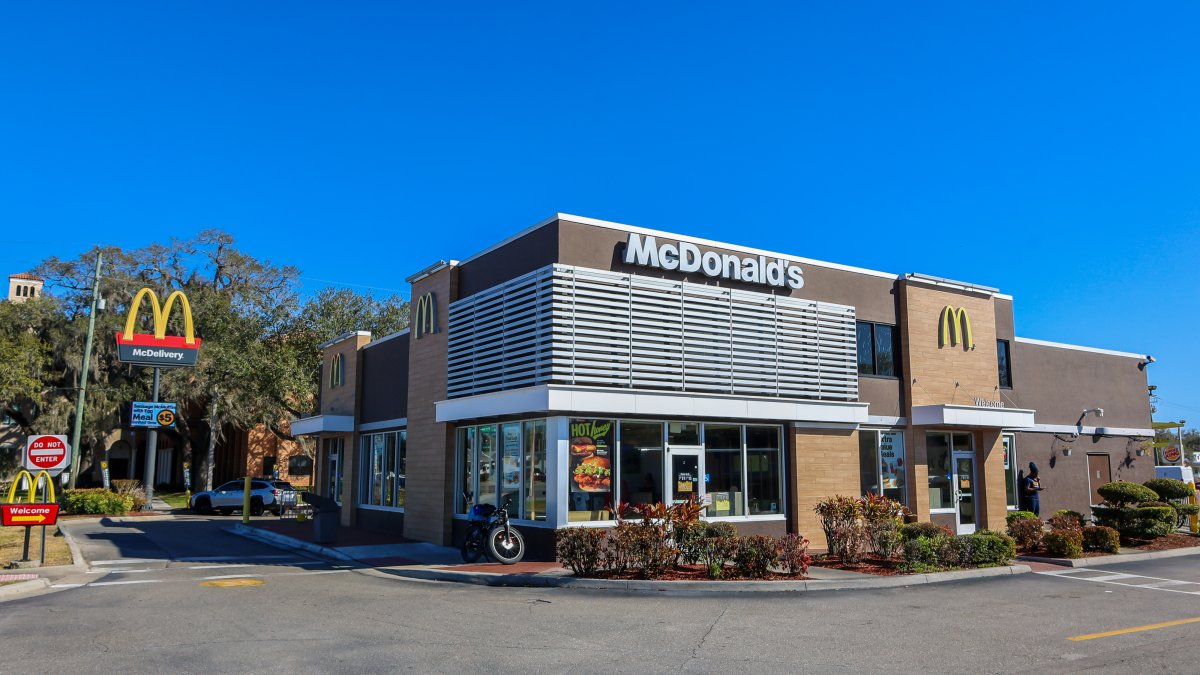
McDonald's is adding six permanent specialty drinks nationwide on Wednesday, including three Refreshers and three crafted sodas, while also introducing a beverage specialist role across its 14,000 U.S. restaurants. The move is aimed at boosting beverage-led traffic and competing more directly with Starbucks and Dutch Bros. McDonald's also plans to phase out self-service soda machines by 2032 as beverage stations become crew managed.
This is less about incremental beverage sales and more about McDonald’s attempting to re-price the consumer’s mental model of the brand from “cheap calories” to “customizable, occasion-based stop.” If executed well, drinks carry attractive unit economics: higher attachment, lower food-cost volatility than burgers/fries, and a more scalable daypart extension into afternoons and weekends. The bigger strategic lever is operational — crew-managed beverage buildouts and specialist labor should reduce throughput leakage at busy stores, which matters because even a modest increase in order complexity can otherwise destroy drive-thru economics. Relative winners are McDonald’s and, secondarily, any supplier set tied to specialty ingredients, disposable carriers, and beverage equipment; the hidden loser set is Starbucks and Dutch Bros if McDonald’s succeeds at winning “small indulgence” traffic without requiring a coffee run. The real second-order risk for SBUX is not direct substitution on espresso, but losing lower-intent beverage visits that anchor snack attach and afternoon traffic. For BROS, the threat is more acute in value-conscious corridors where a $3–$5 novelty drink from McDonald’s can undercut its premium unit economics and pressure traffic growth assumptions. The catalyst window is near-term but the earnings impact is a months-long story: initial menu buzz can lift comps and app engagement in the next 1–2 quarters, while labor/process changes determine whether margins hold over the next 12–18 months. The main reversal risk is execution friction — if beverage build times slow service or consistency disappoints, the initiative becomes a throughput tax rather than a traffic driver. Another watch item is whether this pulls demand into lower-margin, highly promotional drinks without increasing total check enough to offset labor and ingredient complexity.
AI-powered research, real-time alerts, and portfolio analytics for institutional investors.
Request DemoOverall Sentiment
mildly positive
Sentiment Score
0.15
Ticker Sentiment
