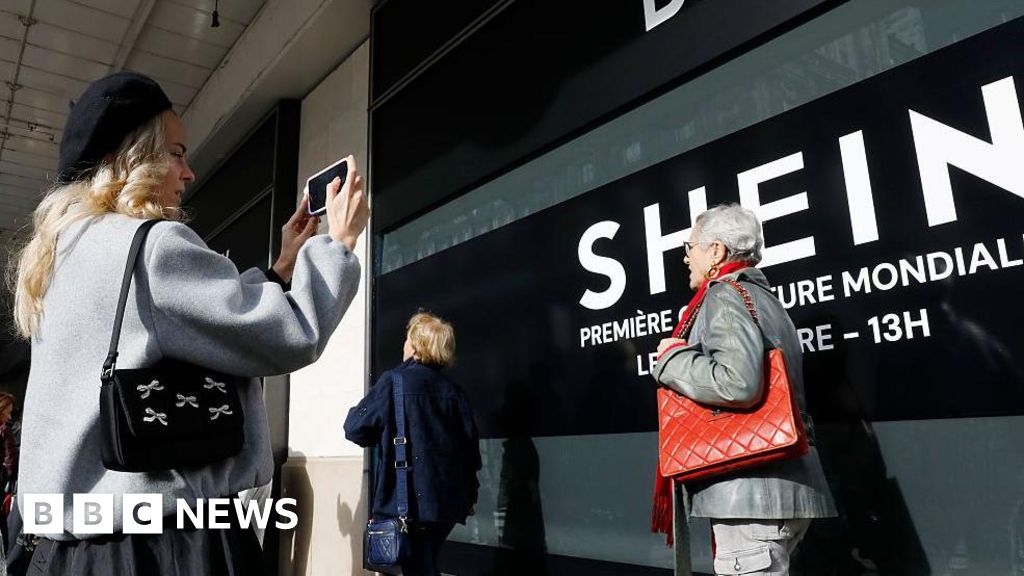
US and state officials have opened new probes into fast-fashion and discount e-commerce platforms, with Texas Attorney General Ken Paxton investigating Shein over alleged forced labour, unsafe materials, deceptive marketing and data practices while Senator Tom Cotton has urged a federal probe into alleged IP theft at Shein and Temu. The scrutiny follows changes to US de minimis rules that increased customs checks and levies on low-cost imports, and comes alongside separate EU/France inquiries into harmful or prohibited marketplace listings; Shein said it will cooperate, Temu did not comment. The developments raise reputational, regulatory and potential legal risks for the retailers and could amplify scrutiny of cross-border supply chains and data practices for China-linked marketplaces operating in the US.
Market structure: Regulatory scrutiny on Shein/Temu (Temu ~ PDD exposure) reallocates discretionary spend toward compliant incumbents and niche domestic brands. Winners: AWS/AMZN (logistics + marketplace trust), ETSY (IP-friendly boutique sellers), UPS/FDX (customs logistics); losers: PDD/Temu and unlisted Shein-equivalents facing higher compliance costs. Cross-asset: near-term risk-off could push 2s/10s lower by 10–30bps and strengthen USD; cotton/textile commodity demand may fall <2–5% if order volumes drop.
Risk assessment: Tail risks include aggressive federal bans/fines (>$1bn fines or platform delisting) or expedited de-listing of products that could knock 20–40% off PDD-like valuations; low-probability but high-impact. Timeline: immediate (days) for headlines and option volatility spikes, short-term (weeks–months) for customs backlog & fines, long-term (quarters–years) for supply-chain reshoring and IP litigation. Hidden dependencies: logistics choke points (US warehouses) and data-privacy probes that could cascade to other Chinese apps.
Trade implications: Tactical plays favor short-dated downside protection on PDD and modest long exposure to AMZN/ETSY and logistics names. Use 3-month 10% OTM puts on PDD as primary hedge, consider a 2–3% AMZN long via calls (6-month) to capture market-share rotation, and pair long ETSY/short PDD to isolate secular demand reallocation. Time entry within 30 days as enforcement risk is front-loaded; trim positions if volatility (VIX) normalizes or regulatory filings recede.
Contrarian angles: Consensus may overstate permanent damage to China-origin retail — enforcement is political and episodic; a moderation scenario (no broad ban) could produce quick mean-reversion in PDD (20–30% bounce). Historical parallel: 2018 tariff scares caused short-term hits then platform adaptation. Unintended consequence: stronger IP enforcement benefits vertically integrated US fast-fashion players and raises M&A/sponsorship value for compliant marketplaces.
AI-powered research, real-time alerts, and portfolio analytics for institutional investors.
Request DemoOverall Sentiment
moderately negative
Sentiment Score
-0.45
Ticker Sentiment
