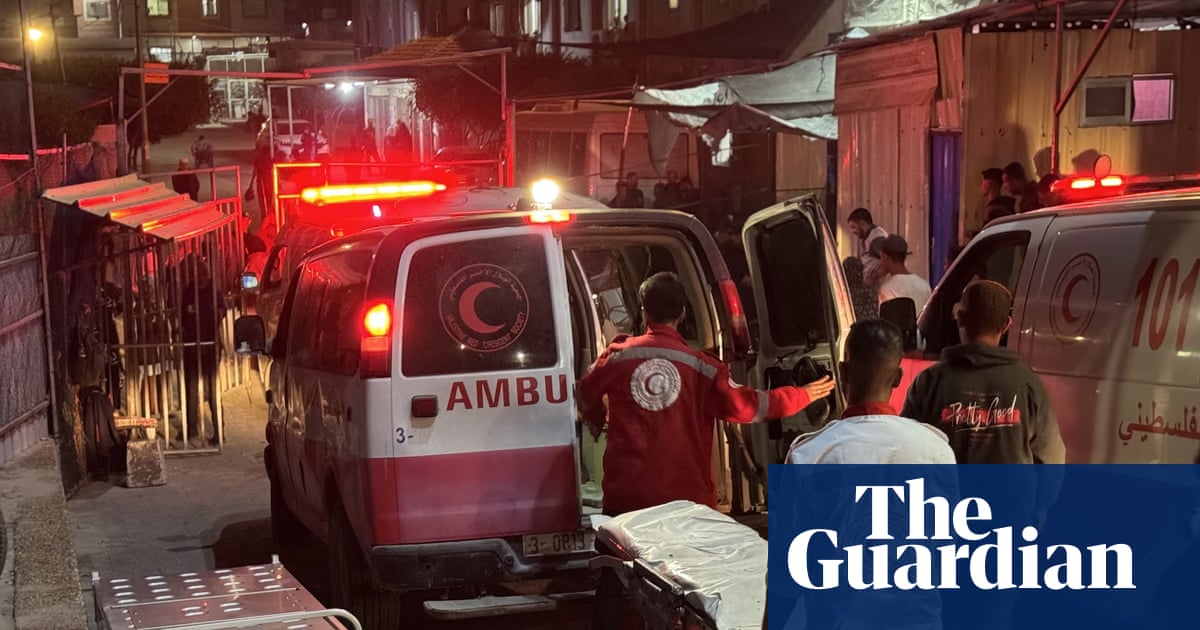
Hospitals across Gaza are critically short of medicines, gauze and other essential supplies and report daily mass-casualty surges after new Israeli airstrikes that have killed more than 50 people and injured over 100 in recent days; medics and NGOs say the health system is “on its knees,” with more than 300 deaths recorded since the US-backed ceasefire. The ceasefire’s first-stage withdrawals and hostage returns are nearing completion and the UN has endorsed a US-backed 20-point plan to install a technocratic committee and international stabilisation force, but continued Israeli strikes—often framed as targeting senior Hamas operatives after alleged violations—leave the truce fragile. Despite hundreds of tonnes of aid and increased truck crossings, deliveries remain insufficient, the WFP warns of winter-related spoilage and malnutrition risks, and the humanitarian shortfall and persistent violence pose ongoing operational and geopolitical downside risks for the region.
Hospitals and medical NGOs in Gaza report acute shortages of basics — gauze, antiseptics, thermometers and antibiotics — while medics describe daily mass‑casualty influxes after recent Israeli airstrikes that killed more than 50 people and wounded over 100 in recent days; Gaza health officials say more than 300 deaths have occurred in strikes since the US‑backed ceasefire. Humanitarian organisations have delivered hundreds of tonnes since the ceasefire but multiple sources (MedGlobal, MSF, WFP) cited continued insufficiency, two lorry loads reportedly stuck since 10 October, and winter rains threatening delivered foodstuffs and malnutrition stabilisation gains.
The first stage of the ceasefire — partial Israeli withdrawal and return of living hostages — is nearing completion and the UN Security Council endorsed a US 20‑point plan to install a technocratic committee and an international stabilisation force, yet both sides continue targeted strikes and arrests that participants characterise as responses to alleged violations, leaving the truce fragile. Analysts in the article note Israel is using alleged ceasefire breaches to target senior Hamas operatives, and civilian casualties persisted in multiple recent strikes.
From a market‑risk perspective the provided signals show strongly negative sentiment (sentiment_score -0.75) and a modest market‑impact score (0.32); the story concentrates risk in Geopolitics & War, Healthcare & Biotech and Infrastructure & Defense. Near‑term catalysts are: pace of ceasefire implementation, UN/US operational steps, official aid flow metrics (truck counts, WFP reports) and any further high‑casualty strikes that could broaden geopolitical contagion.
AI-powered research, real-time alerts, and portfolio analytics for institutional investors.
Request DemoOverall Sentiment
strongly negative
Sentiment Score
-0.75
