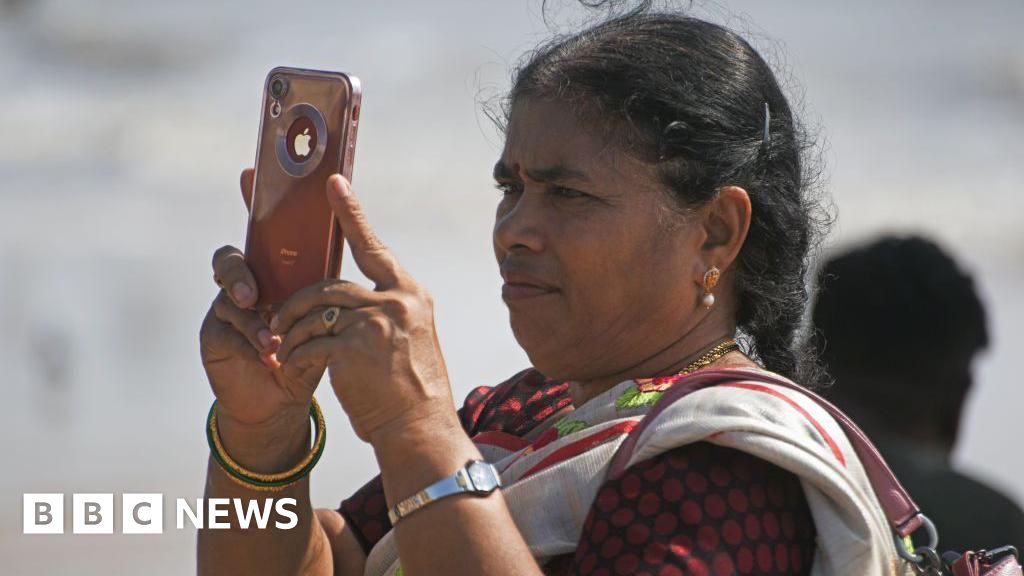
India has ordered all new smartphones sold domestically to ship pre-installed with the state-run Sanchar Saathi cybersecurity app within 90 days, with handset-makers required to provide compliance reports in 120 days; the app reportedly helped recover more than 700,000 lost phones and is intended to combat duplicate/spoofed IMEIs. The mandate — which requires the app be visible at setup and whose functionalities "cannot be disabled or restricted" — has provoked privacy and surveillance concerns and may force costly firmware or distribution changes, with major vendors (including Reuters-sourced reports that Apple does not intend to comply) likely to raise commercial and legal objections, creating regulatory and operational risk for device manufacturers and distributors in India’s large mobile market.
Market structure: The mandate lowers distribution friction for Android OEMs that already tolerate preloads and raises a potential barrier for Apple (iOS share ~4.5% of 735M ≈ 33M devices mid‑2025). Winners: Android-first OEMs, Indian device-authentication services and domestic app integrators; losers: Apple and any premium-sell-through dependent channels if Apple resists. Pricing power shifts modestly toward low/mid‑end OEMs who control the large used/second‑hand market and compliance costs (likely <1–2% of bill‑of‑materials) will be absorbed at the OEM level or passed to consumers.
Risk assessment: Tail risks include a regulatory standoff where Apple restricts iPhone availability in India (low probability, high impact — could remove ~2–3% of global iPhone volumes for months) or a security/data‑breach from the preinstalled app triggering litigation and fines. Immediate (days): headlines and intraday vol on AAPL/Indian OEMs; short (weeks–months): 120‑day compliance reporting cycle and OEM firmware updates; long (quarters–years): erosion or recovery of iPhone share depending on legal outcome and consumer pushback. Hidden dependencies: handset vendors’ contracts with Google/Apple, Play Store policies, and supply‑chain firmware update ability.
Trade implications: Tactical hedges on Apple exposure and long exposure to cybersecurity/service vendors are warranted. Options can express asymmetric views around discrete catalysts: 90–120 day windows (deadline + 120‑day compliance report). Sector rotation into cybersecurity software, device authentication services and domestic telecom operators that benefit from cleaner IMEI pools is preferred over pure hardware exposure.
Contrarian angles: The consensus assumes a permanent market-share hit to Apple — but history (Russia, China) shows governments and Apple often negotiate technical workarounds rather than long blackouts; downside may be short‑lived and over‑priced. Unintended consequence: cleaner IMEI enforcement could increase demand for certified refurbished devices, boosting margins for certified‑resale platforms and increasing lifecycle revenue for OEM service programs over 12–24 months.
AI-powered research, real-time alerts, and portfolio analytics for institutional investors.
Request DemoOverall Sentiment
moderately negative
Sentiment Score
-0.30
Ticker Sentiment
