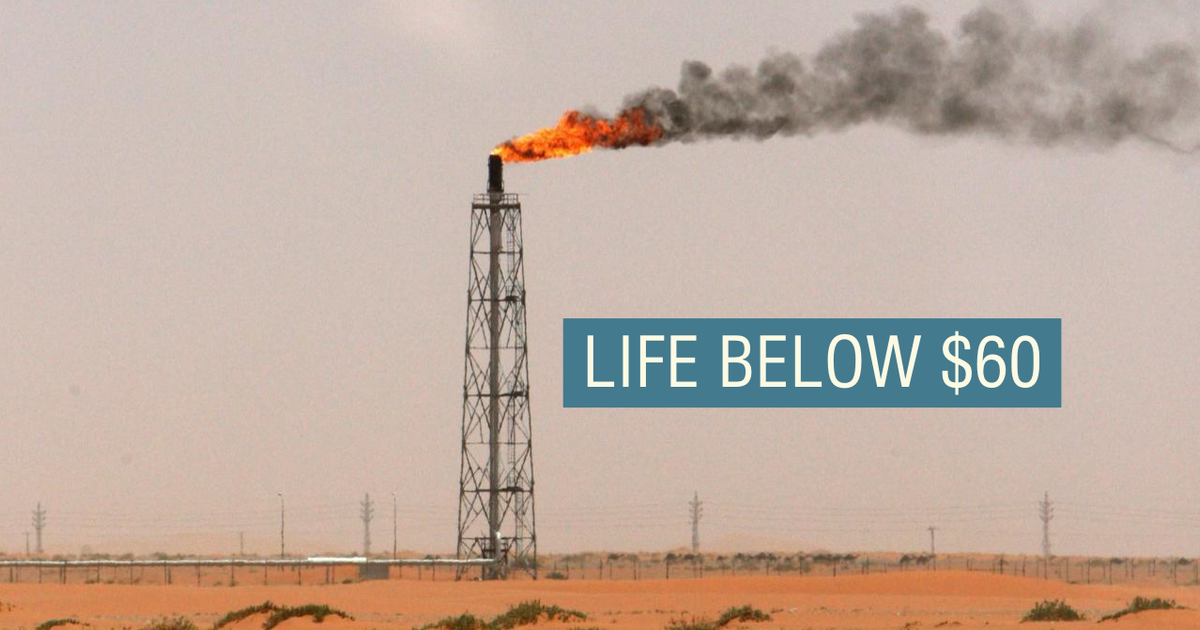
Oil prices have remained surprisingly resilient despite OPEC's increased production quotas, though analysts predict a potential drop to $60 or even $45 per barrel in the coming years due to tapering Chinese demand, a looming global slowdown, and increased OPEC output. Lower prices could shift global energy market dynamics, potentially benefiting OPEC while pressuring US producers and intensifying sanctions pressure on Russia, although some analysts believe conditions are ripe for a price rally due to low inventories and overstated trade war discounts.
Oil prices demonstrated resilience, rising despite OPEC and its allies agreeing to a third consecutive increase in production quotas, with Brent crude currently trading just below $65 per barrel—its lowest level since the pandemic yet still profitable for most OPEC and US producers. However, a significant consensus among analysts points towards a bearish trajectory; Goldman Sachs projects Brent falling to $60 this year and $56 in 2025, while Eurasia Group anticipates prices could reach as low as $45 through 2027. This outlook is primarily driven by expectations of tapering gasoline demand growth in China, a potential global economic slowdown stemming from US tariff policies, and anticipated further increases in OPEC production and exports. Such a prolonged low-price environment, particularly below $60 per barrel, would significantly reshape global energy dynamics: OPEC could regain market share from US producers, especially in Asia, and enhance its pricing influence as US output contracts, though this would strain Gulf states' budgets reliant on oil for diversification funding. Concurrently, lower prices could facilitate intensified sanctions pressure on Russia, including a potentially lower oil price cap, as the G7's $60 cap becomes less effective. For the US, while consumers may experience short-term relief, the negative impact on domestic oil producers—including reduced production, job losses, and lower tax revenues, alongside potential cuts to dividends and buybacks by major oil companies if prices fall below $60—could outweigh these benefits. Conversely, some dissenting views, such as from Carlyle Group's Jeff Currie, suggest conditions for a price rally, citing low actual OPEC exports despite quota hikes, depleted inventories, and an overstated trade war discount, highlighting the oil market's inherent cyclicality.
AI-powered research, real-time alerts, and portfolio analytics for institutional investors.
Request DemoOverall Sentiment
strongly negative
Sentiment Score
-0.60
Ticker Sentiment
