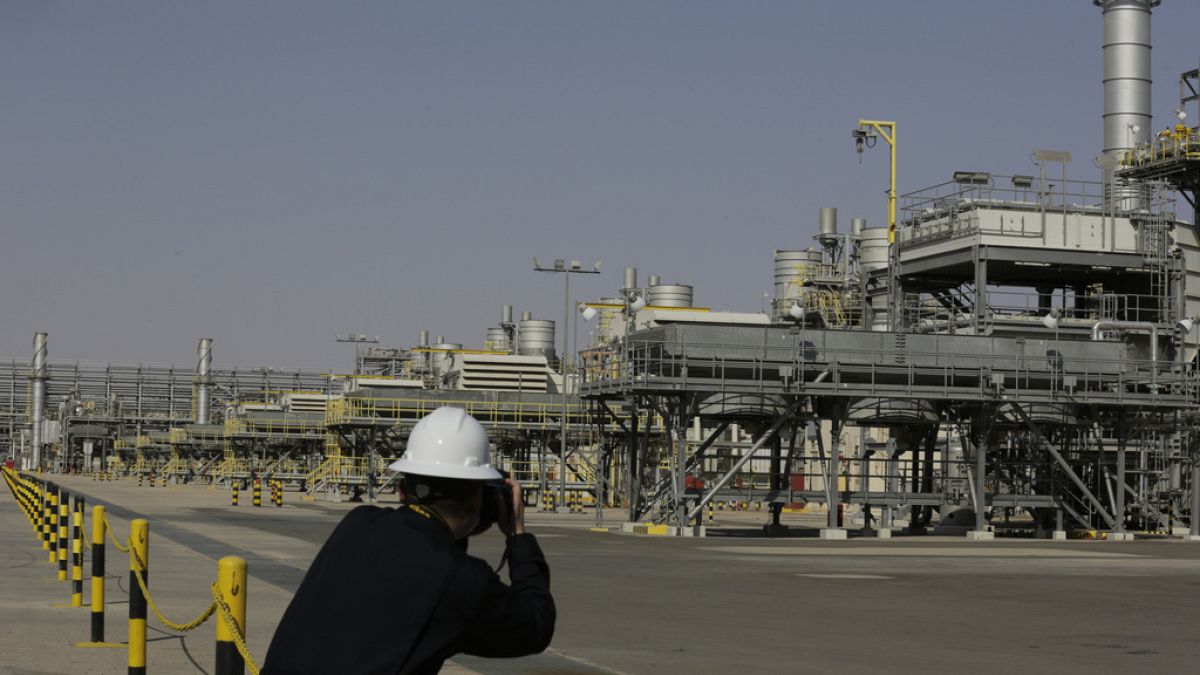
Eight OPEC+ nations have agreed to boost oil production by 548,000 barrels per day starting in September, a decision that could further lower gas prices. This output increase, involving key members like Saudi Arabia and Russia, comes amid increasing US pressure to leverage energy policy in the context of the ongoing Ukraine conflict.
Eight OPEC+ member countries have collectively agreed to increase crude oil production by 548,000 barrels per day, effective from September. This represents a significant policy shift from the alliance's multi-year strategy of curtailing output to support prices. The decision, influenced by calls from the US President to boost production, is anticipated to exert downward pressure on gasoline prices. The agreement's timing is notable, occurring amidst increasing US geopolitical pressure on Russia, a leading non-OPEC member of the group, in relation to the ongoing conflict in Ukraine. The cooperation between Saudi Arabia, the dominant OPEC producer, and Russia underscores the critical geopolitical dynamics influencing global energy supply and pricing.
AI-powered research, real-time alerts, and portfolio analytics for institutional investors.
Request DemoOverall Sentiment
moderately positive
Sentiment Score
0.40
