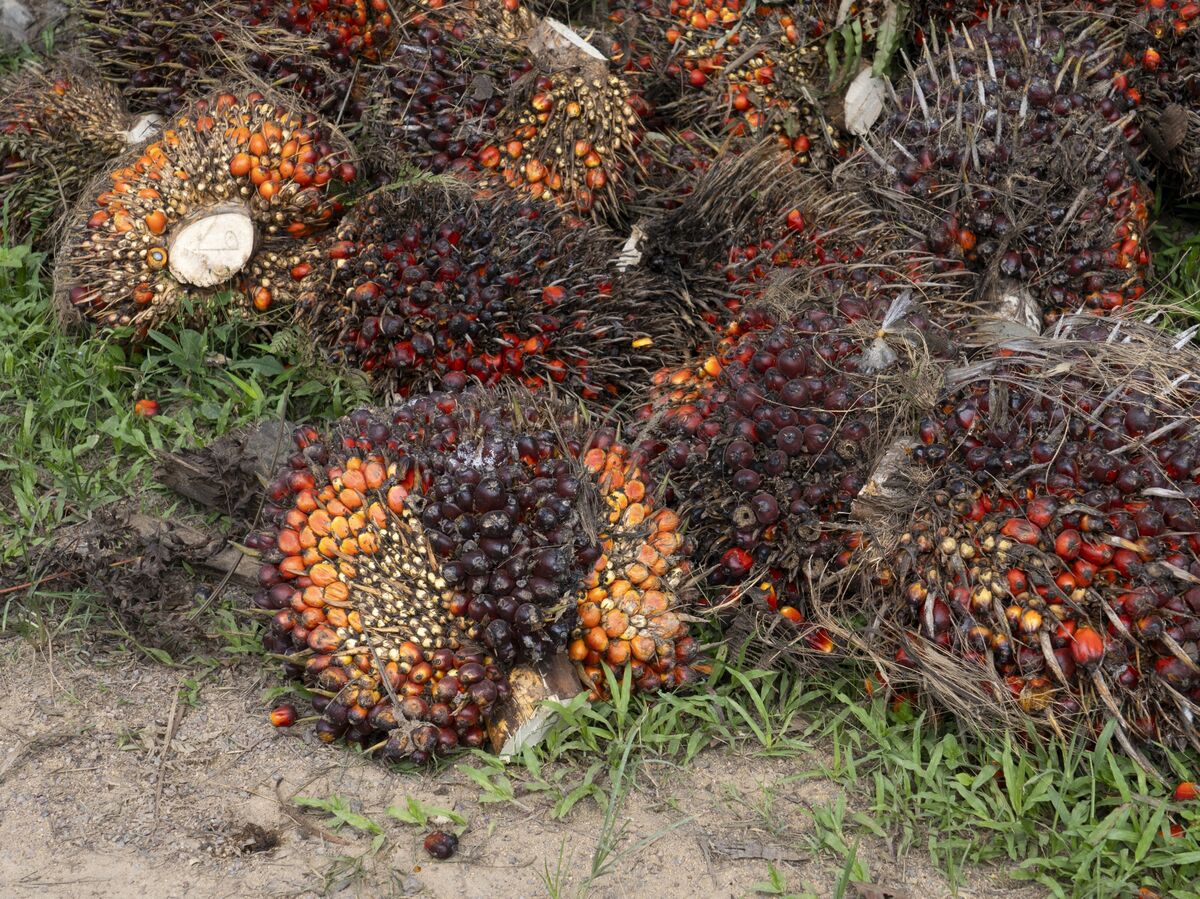
Palm oil prices recorded their largest one-day decline since March, reaching a six-week low, primarily driven by a slump in rival soybean oil. This downturn in soybean oil was initiated by Argentina's temporary removal of export tariffs on all crop cargoes, a measure that further pressured US soybean prices already weakened by poor demand from China.
Palm oil prices are experiencing their most significant single-day decline since March, falling to a six-week low. This pronounced downturn is not driven by fundamentals within the palm oil market itself, but rather by a sharp slump in the price of its closest substitute, soybean oil. The weakness in soybean oil is directly attributable to a governmental policy change in Argentina, a major producer, which has temporarily eliminated export tariffs on all crop cargoes. This policy action effectively increases the global supply of soy products, exerting downward pressure on prices. The situation is further compounded by pre-existing weakness in U.S. soybean prices, which have been weighed down by poor demand from China. The event underscores the high degree of price correlation and substitutability between palm and soybean oils, where a supply-side shock in the soy market, driven by trade policy, can trigger immediate and substantial price adjustments in the palm oil complex.
AI-powered research, real-time alerts, and portfolio analytics for institutional investors.
Request DemoOverall Sentiment
strongly negative
Sentiment Score
-0.60
