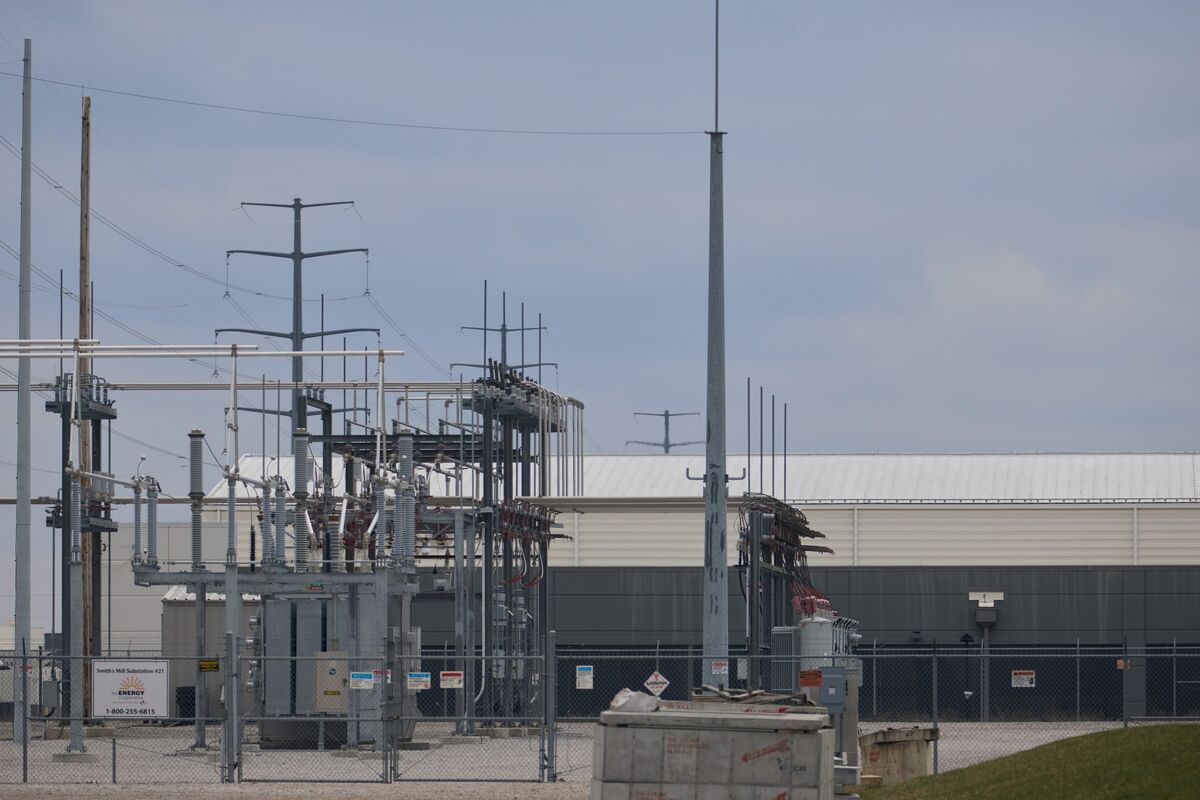
Ohio regulators have mandated that data centers in the state, a key market, must pay for a minimum of 85% of their declared monthly energy needs, regardless of actual consumption. This ruling, stemming from a settlement with American Electric Power Co., aims to secure funding for critical grid upgrades and will likely elevate operational costs for data centers, potentially influencing future investment decisions in the region.
Ohio regulators have approved a settlement with American Electric Power (AEP) that fundamentally alters the cost structure for data center operators in the state. The new rule mandates that these facilities must pay for at least 85% of their reserved monthly energy capacity, regardless of actual usage. This policy directly addresses the financial burden of grid upgrades required to support the energy-intensive data center industry, effectively creating a more predictable revenue stream for AEP to fund these capital expenditures. For data center operators in what is considered a key market, this introduces a significant fixed operational cost, potentially eroding margins and impacting the financial viability of new projects. The moderately negative overall sentiment score (-0.4) reflects the adverse impact on data center profitability, while the positive sentiment for AEP (+0.4) underscores the direct benefit to the utility through de-risked infrastructure investment and guaranteed revenue.
AI-powered research, real-time alerts, and portfolio analytics for institutional investors.
Request DemoOverall Sentiment
moderately negative
Sentiment Score
-0.40
Ticker Sentiment
