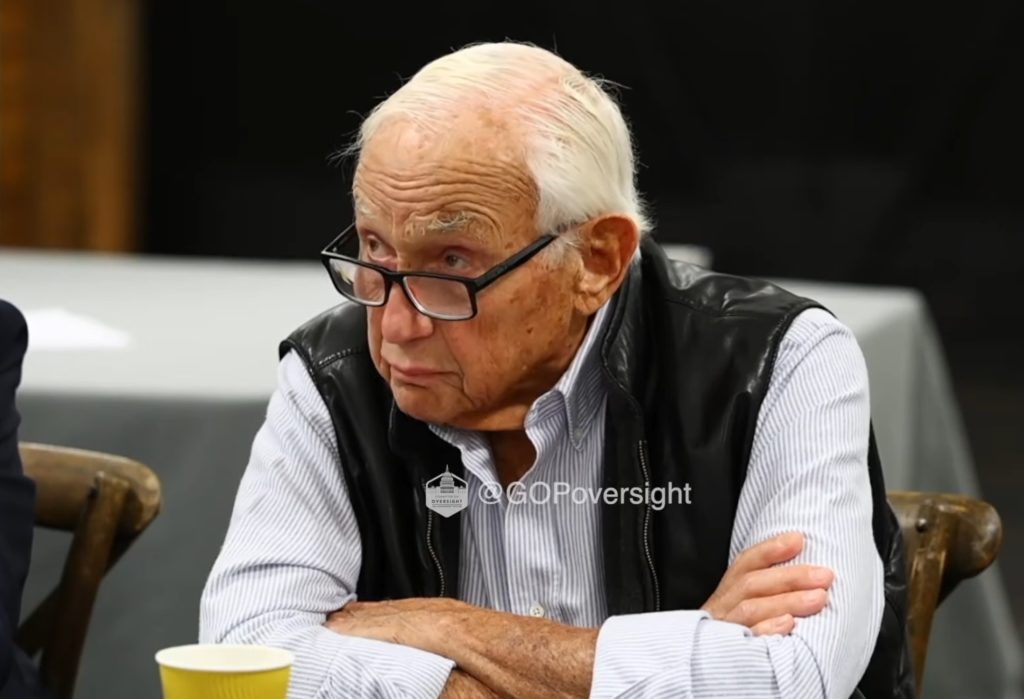
Les Wexner, the billionaire founder behind retail names including Victoria's Secret and Abercrombie & Fitch, sat for a six-hour deposition to House Democrats after DOJ-released Epstein documents prompted a subpoena; he denied knowledge of Jeffrey Epstein's crimes, saying he was “duped by a world-class con man” and that their relationship ended in 2007 when theft was discovered. Wexner sought to rebut allegations — his name appears more than 1,000 times in the files — but the proceeding underscores ongoing reputational and legal risk tied to legacy corporate ownership and governance, with limited immediate financial disclosures or direct earnings impact. Investors should monitor potential litigation, brand/reputational fallout for related retail assets, and any follow-on regulatory or civil actions.
Market structure: Public companies most directly exposed are Victoria's Secret & Co (VSCO) and Abercrombie & Fitch (ANF) via reputational linkage to Les Wexner; expect 5–12% headline volatility and a potential 3–8% short-term hit to same-store sales for the most brand-sensitive SKU categories over the next 1–2 quarters as consumers react. Competitors with cleaner governance/branding (AEO, URBN, private DTC lingerie like Savage X Fenty) are likely to capture incremental share if media coverage persists; pricing power erosion will be concentrated in discretionary intimate apparel and mall-centric apparel segments. Bond/credit: expect modest spread widening (10–50bps) for single-A retail issuers tied to mall traffic; FX and commodities impact negligible.
Risk assessment: Tail risks include new civil suits or DOJ revelations that create government-led inquiries or multi-year class actions — a >$200–$500m aggregate litigation exposure would be a severe but low-probability outcome for public symbols, implying 15–30% equity downside in worst-case scenarios. Immediate risks (days) are headline-driven liquidity hits; short-term (weeks–months) are promotional markdowns and inventory destocking; long-term (quarters–years) are brand re‑positioning costs and governance changes. Hidden dependencies: licensing agreements, legacy creditor covenants, and donor/board tie‑ins could force asset sales or accelerated governance action, amplifying volatility.
Trade implications: Tactical short VSCO via 3‑month put spreads sized to 0.5–1.5% portfolio risk if implied volatility < historical 30d +5pts; target >10% downside. Pair trade: long AEO or URBN (1–2% portfolio each) vs short VSCO to capture share shift over 3–6 months. Use protective collars on any existing ANF exposure if declines exceed 8% intra‑week; rotate 3–6% from mall-centric names into online/value apparel winners.
Contrarian angles: The market may overstate operational impact — VSCO management has sought distance from Wexner, so a >15% price drop without contemporaneous sales deterioration would look like a buying opportunity; set a re-entry trigger if 4‑quarter comp growth remains within ±2% of pre‑event trend. Historical parallels (brand scandals that decoupled from corporate value) show governance fixes and spin-offs can unlock 10–25% value over 12–24 months — activist catalysts could accelerate that outcome.
AI-powered research, real-time alerts, and portfolio analytics for institutional investors.
Request DemoOverall Sentiment
mildly negative
Sentiment Score
-0.25
Ticker Sentiment
