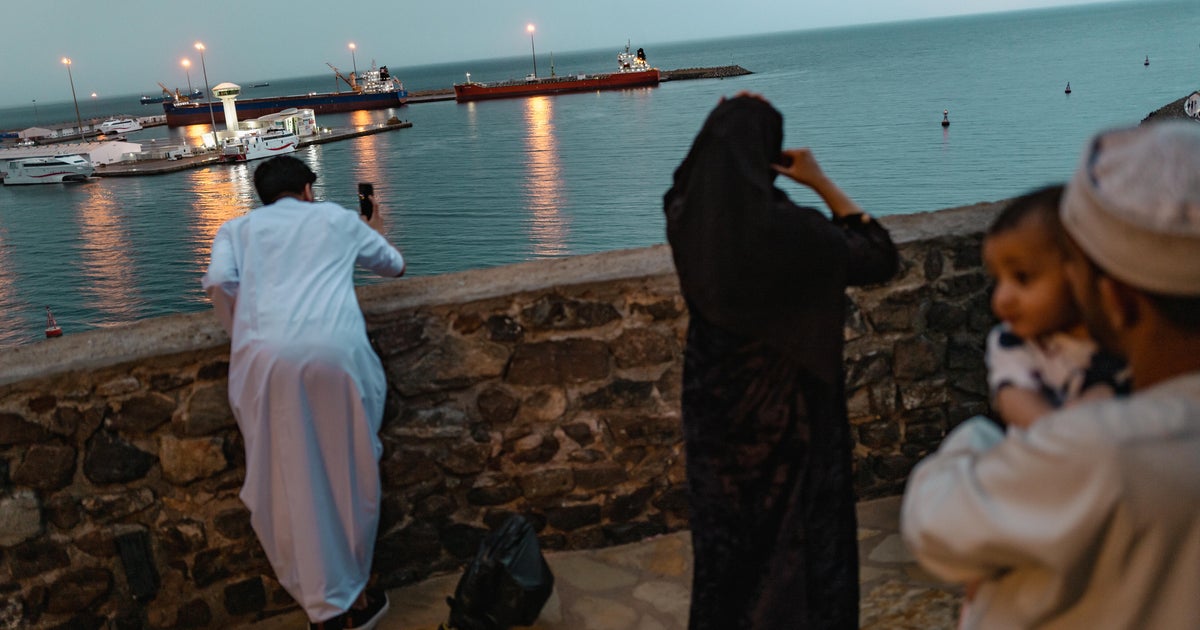
71% of vessels transiting the Strait of Hormuz since March 1 are linked to Iran, Lloyd's List Intelligence reports; the 'shadow fleet' accounted for 88% of transits last week (up from 83% the prior week). Only 11 oil tankers transited in the past week and Chinese ships made up ~10% of transits; Pakistan-flagged traffic has not increased despite public claims. Analysts warn Iran is using Larak Island as a de facto 'toll booth,' implying sustained Iranian influence that could tighten regional shipping routes, raise insurance/risk premia and pressure energy supply lines.
Control of the chokepoint has moved the marginal cost of passage from market economics to political rent-extraction, pushing a bifurcated maritime market: contract-charter users with predictable cashflows and a growing offshore, opaque “shadow” regime that internalizes geopolitical risk but externalizes counterparty & regulatory risk. That structure favors assets that monetize dislocation (spot tankers, floating storage) and penalizes thin-margin, schedule-driven logistics operators that cannot easily reprice short-term fuel or security externalities.
The immediate transmission mechanisms are higher short-term time-charter (TC) rates, a swift repricing of hull & war-risk insurance, and an increase in non-bank settlement frictions as KYC/AML departments re-screen counterparties and demand more prepayment or escrow. These frictions raise working capital needs for traders and refiners, widen arbitrage bands on crude differentials, and create conditions for negative feedback loops: longer lay-ups and floating storage can further tighten tonne-miles and lift rates even if physical volumes drift lower.
Key catalysts that could reverse or ratchet the dynamic fall into three buckets and different horizons: days–weeks for tactical naval escorts or temporary corridor agreements; weeks–months for bilateral deals (third-party guarantors, insurance pools) that restore voluntary AIS-driven flows; and months–years for structural responses (expanded sanctioned-flotilla capacity, island fortification, or a durable China-brokered normalization). Each catalyst has asymmetric market impacts — escorts compress spot premia quickly, while shadow-fleet growth raises baseline risk premia persistently.
For portfolio construction, favor liquid, convex exposures to short-term freight/insurance repricing and avoid long-duration operationally levered logistics names without fuel pass-through. Size positions to political event risk: small, option-like exposures for tactical moves; larger, cash allocations only if you see sustained de-risking or formal corridor agreements over a 3–6 month window.
AI-powered research, real-time alerts, and portfolio analytics for institutional investors.
Request DemoOverall Sentiment
neutral
Sentiment Score
-0.05
