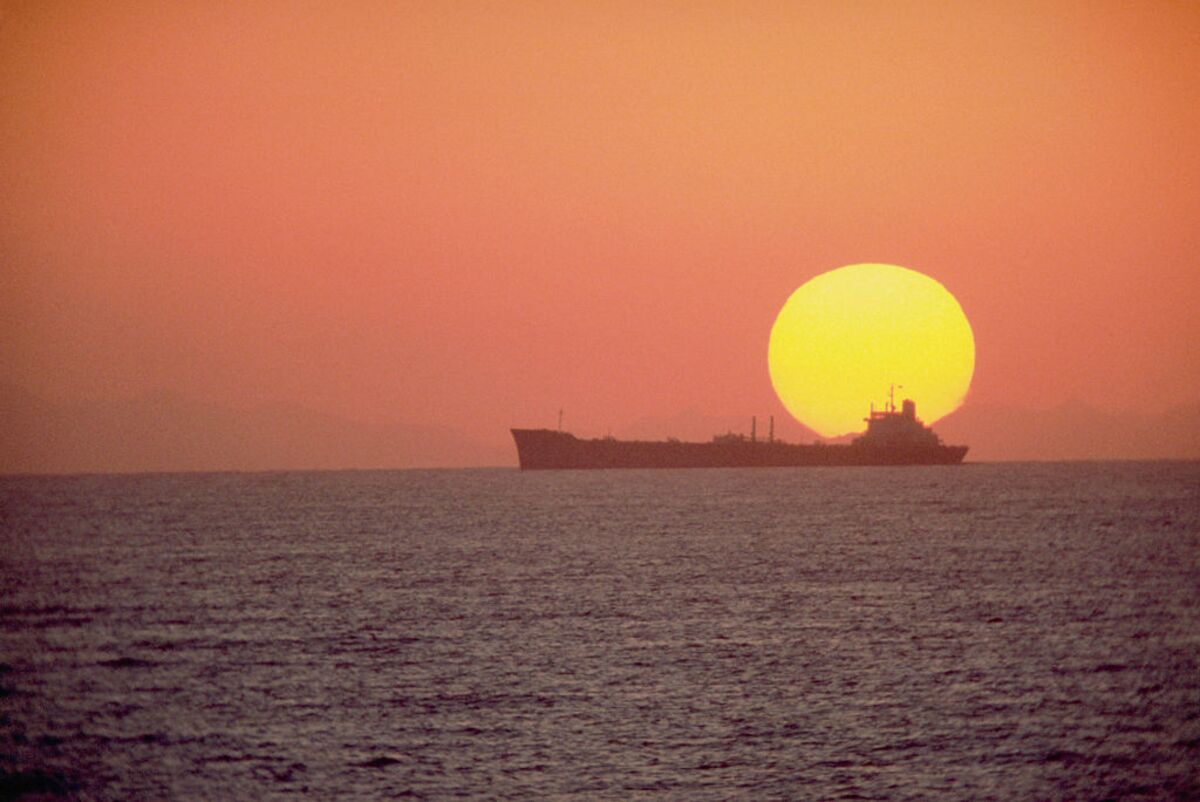
Three oil supertankers transited the Strait of Hormuz, including two Chinese vessels carrying crude, marking the biggest day of oil exits through the waterway since traffic nearly halted six weeks ago. The pickup follows a fragile US-Iran ceasefire and suggests shipping activity is normalizing, though the cargoes are not directly linked to Iran. The event is geopolitically important for global oil flows and could influence near-term freight and crude market sentiment.
The key read-through is not just higher tanker flow, but a rapid normalization of the maritime risk premium. Once spot cargoes start transiting again, freight markets usually reprice faster than headline geopolitics: day rates, war-risk insurance, and chartering spreads compress first, while crude itself tends to lag until inventories rebuild. That means the first beneficiaries are likely the insurers, marine underwriters, and vessel owners with leverage to a sharp drop in perceived transit risk, even if oil prices stay rangebound.
The second-order effect is on relative crude benchmarks. If Hormuz throughput stabilizes, the market should stop embedding a large Gulf export disruption premium into Brent, which disproportionately hurts non-Gulf bullish energy exposure and benefits refiners and end-users through lower feedstock costs. The bigger loser is likely volatility itself: fewer tail-risk bids should reduce implied vol in crude options and lower the value of long-dated upside hedges purchased during the conflict.
This move may be fragile because shipping recovery is often ahead of true geopolitical resolution. A single incident, mine threat, or escalation in adjacent chokepoints would snap rates and prompt a fast re-pricing, so the setup is more a days-to-weeks tactical mean reversion than a months-long thesis. The market may also be underestimating how quickly Asian buyers will lock in cargoes once transit confidence returns, which can create a short, sharp surge in physical demand for transport capacity without meaningfully changing underlying oil supply.
Contrarian view: consensus may be too focused on immediate crude price direction and not enough on the unwind of geopolitical hedges across the whole energy complex. If traders de-risked via tanker exposure, shipping insurers, or Brent call overwrites during the closure, this reopening can trigger a mechanical squeeze in those instruments even if oil itself barely moves. In other words, the cleaner trade may be selling the panic hedge rather than trying to short crude outright.
AI-powered research, real-time alerts, and portfolio analytics for institutional investors.
Request DemoOverall Sentiment
neutral
Sentiment Score
0.05
