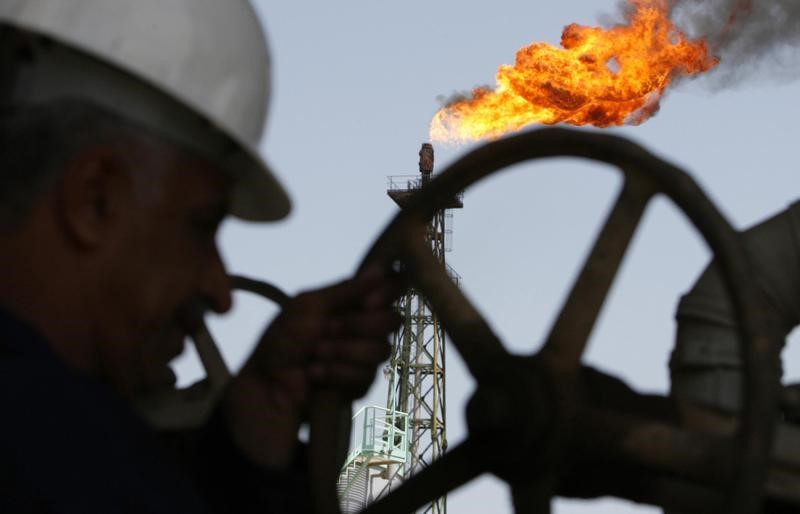
Brent crude rose 2.9% to $107.17 a barrel and WTI climbed 3.3% to $101.35 as hopes for a U.S.-Iran ceasefire faded and fears grew over Strait of Hormuz supply disruption. The article also flags U.S. CPI data due later Tuesday and PPI on Wednesday, with higher fuel costs expected to pressure inflation and keep rates higher for longer. The geopolitical escalation and oil spike create a broad risk-off backdrop for markets.
The immediate market winner is not just upstream energy but the whole volatility complex: crude strength filters first into refining margins, tanker rates, and hedging demand before it meaningfully shows up in headline inflation. The second-order loser set is broader than airlines and transports; any business with a 2-6 week fuel reset lag gets squeezed before it can reprice, while integrated producers with downstream exposure should outperform pure refiners if the move is driven by supply fear rather than end-demand strength.
The key macro transmission is that energy is re-entering the inflation data with a short fuse. If fuel remains elevated for even a few more weekly prints, the Fed narrative shifts from "transitory geopolitics" to "persistent input-cost pass-through," which is enough to delay easing expectations and support the dollar at the margin. That creates a two-way hedge: higher oil can lift commodity equities while simultaneously pressuring rate-sensitive growth and levered consumer names.
The market is likely underestimating tail risk around shipping and inventory behavior. Even absent a formal supply disruption, a prolonged premium in Middle East freight insurance and charter rates can create self-reinforcing scarcity as traders, refiners, and end users front-load purchases, amplifying the move over days to weeks. Conversely, any credible de-escalation signal would likely unwind a large portion of the spike quickly because the bid is largely geopolitical premium rather than demand-led tightness.
Consensus may be too focused on "peace/no peace" and not enough on the fact that China now has disproportionate influence over the resolution path through its oil relationship and trade leverage. That raises the probability of a negotiated pause rather than a clean resolution, which argues for selling upside tails in crude once the immediate risk premium is fully repriced, while staying long relative winners in energy services and select producers until shipping normalizes.
AI-powered research, real-time alerts, and portfolio analytics for institutional investors.
Request DemoOverall Sentiment
strongly negative
Sentiment Score
-0.62
Ticker Sentiment
