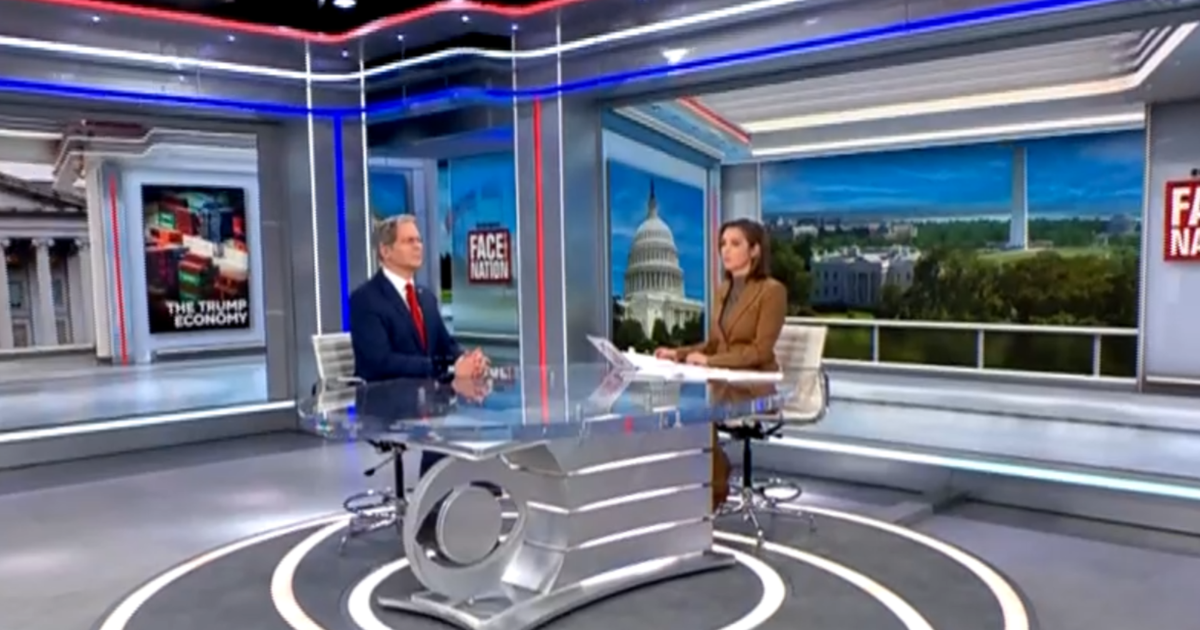
Treasury Secretary Scott Bessent defended a stronger-than-expected economy—citing consecutive ~4% GDP quarters and a projected ~3% full-year real GDP—while noting PCE inflation near 2.9% and imported-goods inflation around 1.8%, and attributing current price pressure mainly to services. Policy moves with direct sectoral implications include a China trade agreement committing to ~12.5 million metric tons of soybeans this crop year (25 million metric tons annually over the next three years), an announced short-term bridge payment for farmers, and a new child “Trump Account” program seeding $1,000 for U.S. children born 2025–2028. Regulatory risk elevated after ACIP’s 8–3 vote to delay the newborn hepatitis B dose (prompting biotech sector weakness) and reported internal FDA shifts away from immunobridging and toward stricter approval requirements, creating heightened uncertainty for vaccine development and insurers/state compliance.
Market Structure: Policy noise (Treasury messaging, trade soy purchases, ACIP vaccine shifts) creates bifurcation: large diversified pharma (e.g., PFE) and broad ag exporters gain relative footing while pure-play vaccine developers and small-cap biotechs face demand compression. Expect 3–6 month rotation into defensives and ags (soybean volumes +12–15% signaled) with retail pockets (toys, beef) showing idiosyncratic pricing power; imported goods CPI pressure is subdued vs. services inflation.
Risk Assessment: Near-term tail risks include accelerated regulatory changes (FDA/ACIP within 30–90 days) that could remove immunobridging, triggering a 20–40% rerating of vaccine-adjacent small caps; geopolitical operational risk from aggressive maritime strikes could spike oil and defense volatility for days–weeks. Hidden dependencies: state-level rejection of ACIP guidance will fragment payer coverage and create permanent demand loss for seasonal vaccine update business models over 12–36 months.
Trade Implications: Favor size and cash-flow stability: overweight PFE on 3–7% pullback (6–12 month target +10–15% via stable vaccine/portfolio revenue) and go long soybean exposure (SOYB or ADM/BG) targeting +10–20% over 3–9 months as China cadence continues. Short small/mid-cap vaccine-exposed biotech (reduce XBI weight by ~20%) using protective put spreads; use 2–3 month put spreads on IBB/XBI to express policy-driven downside while limiting capital at risk.
Contrarian Angles: Consensus assumes uniform biotech selloff; that overlooks names with non‑vaccine franchises (oncology, rare disease) that should decouple—buy select mid‑caps with >60% non‑vaccine revenue on 15–25% dislocation. Also, if ACIP credibility collapses, large incumbents (PFE) with commercial relationships to pediatrics insurers could capture market share — asymmetric upside capped risk vs concentrated vaccine developers.
AI-powered research, real-time alerts, and portfolio analytics for institutional investors.
Request DemoOverall Sentiment
neutral
Sentiment Score
-0.05
Ticker Sentiment
