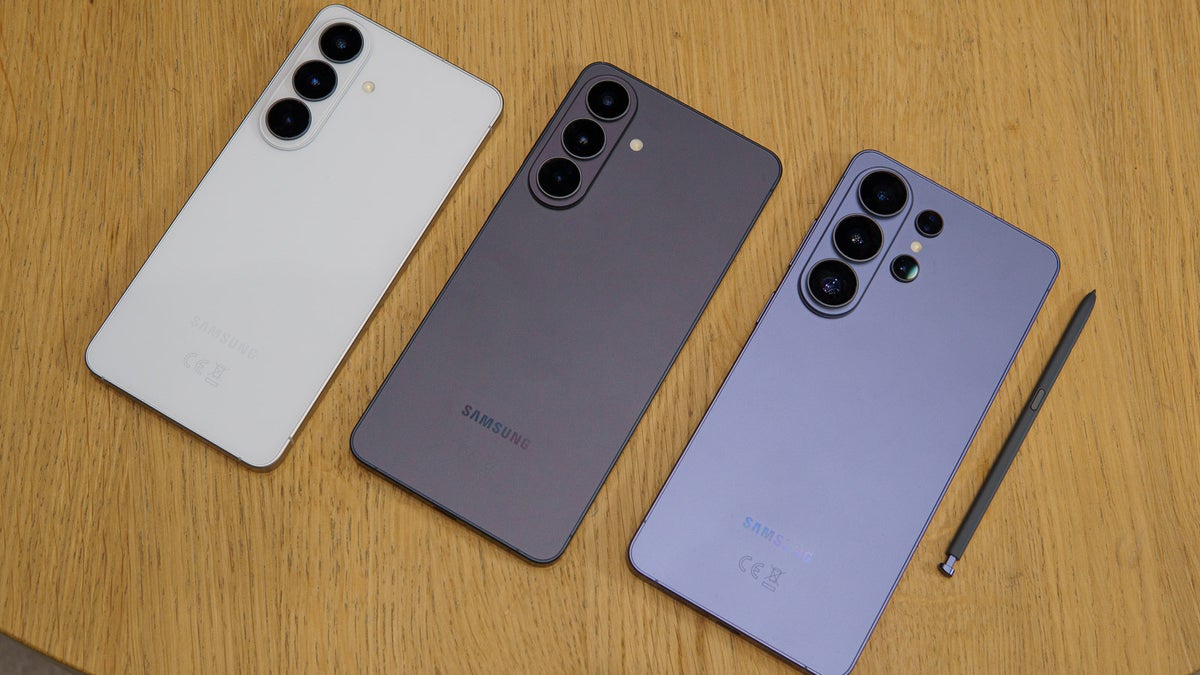
Samsung Foundry reports exceeding a 60% yield rate on its 2 nm process and is developing the Exynos 2800 codenamed 'Vanguard' with work aimed to finish by year-end; Exynos 2700 ('Ulysses') is expected to enter mass production this year. The company has delayed its 1.4 nm target from 2027 to 2029 after prior 3 nm/2 nm yield issues; Galaxy S26 ships with Exynos 2600 (S26 Ultra uses Snapdragon 8 Elite Gen 5), indicating a meaningful operational turnaround that should support additional foundry orders but is unlikely to be market-transformative immediately.
Improved Samsung foundry execution is a structural supply-chain shift, not just a single-node development. That increases marginal bargaining power for alternative foundries and creates an addressable market for advanced-node demand that had been concentrated at one supplier — expect customers to use competitive tension to extract pricing, capacity commitments, or co-investment terms over the next 12–36 months. Equipment and materials vendors sit on a convex payoff: each incremental capacity ramp translates to outsized order flow for EUV and metrology tools, but timing lag between order and revenue is 6–18 months.
Key tail risks are operational and contractual rather than purely technical: yield regressions, long qualification cycles (12–24 months) for mobile SoCs, and entrenched client ecosystems (IP/tool flows, packaging partners) that slow migration. Geopolitical export controls or a cyclical CAPEX drawdown would quickly re-price margins and order visibility; conversely, a string of announced design wins or visible equipment bookings would crystallize upside within 3–9 months. Watch vendor order books and foundry customer contract language for the earliest confirmed wins.
The consensus is underweighting the supply-chain winners and over-weighting the binary “Samsung vs TSMC” headline. Near-term investor focus should be on evidence-based signals (equipment order schedules, fab utilization, design-win confirmations) rather than exuberant forecasts about software/hardware parity. Positioning that captures gradual share shifts and the tool chain upside — while hedging the still-material execution risk — offers asymmetric reward with contained downside over a 6–24 month horizon.
AI-powered research, real-time alerts, and portfolio analytics for institutional investors.
Request DemoOverall Sentiment
moderately positive
Sentiment Score
0.60
Ticker Sentiment
